HISTORY
First settlers:
Levantine Neolithic and Iberian Period
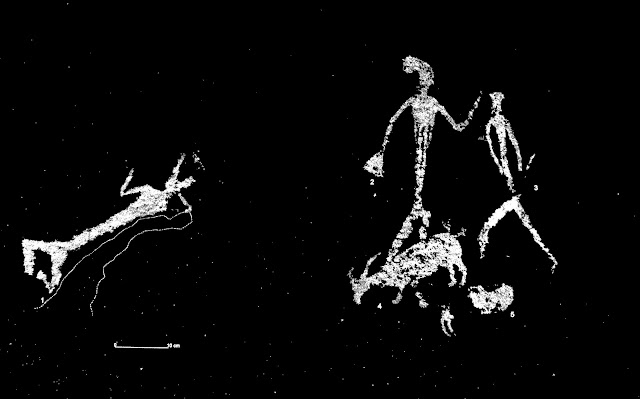
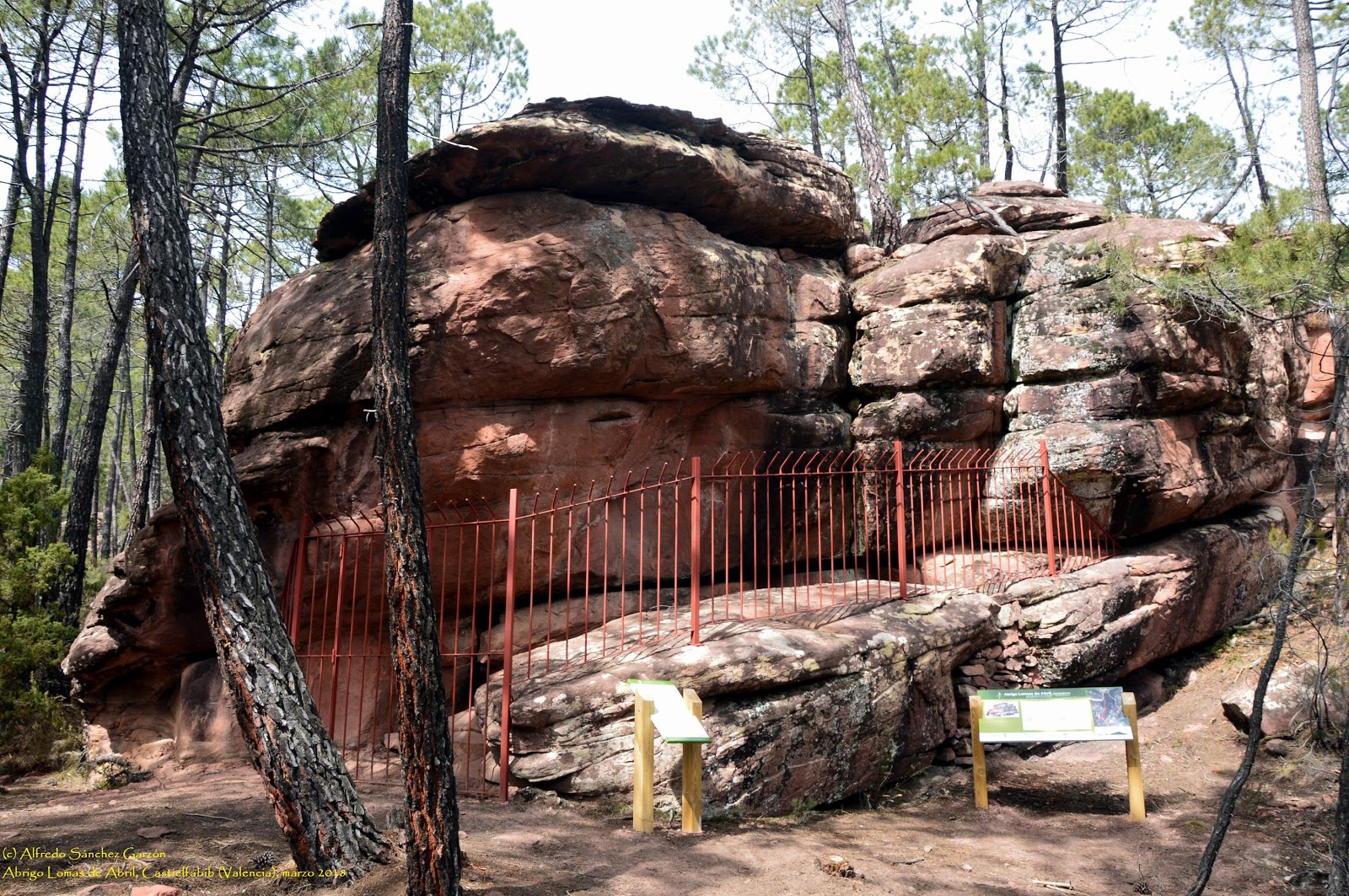
In Castielfabib, we find unique vestiges that transport us to the dawn of civilization. In the Lomas de Abril, in the village of Cuesta del Rato (Castielfabib), there is a valuable collection of Levantine-style cave paintings, dating from between 7,000 and 5,000 years ago.
These paintings are protected by State and Regional Legislation, having been declared an Asset of Cultural Interest.
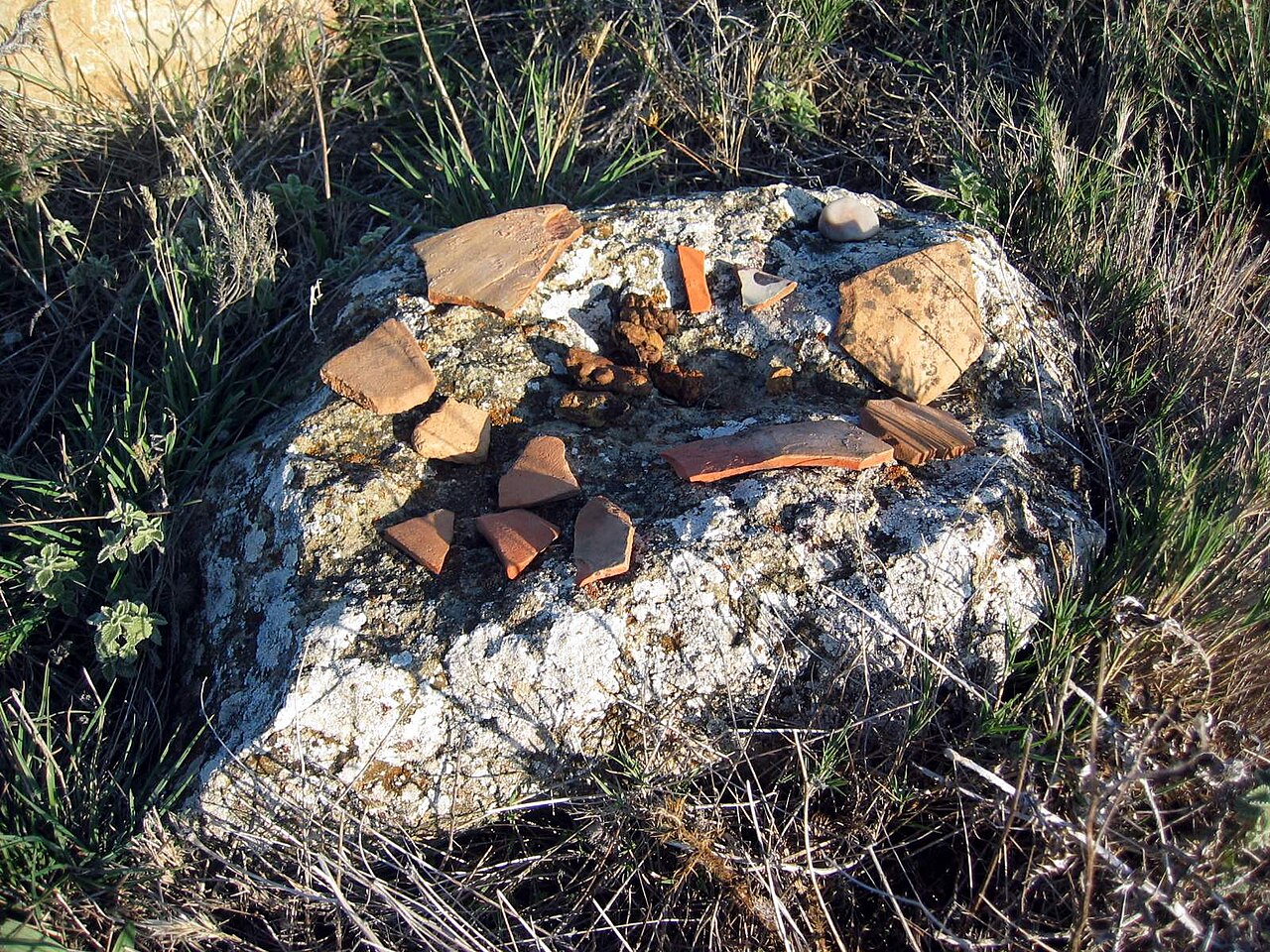
In Corrales de la Nava, northwest of the town, there were two Iberian necropolises —one in Los Corrales and the other in La Umbría— and an Iberian hill fort on the hill of La Morrita, dating from between the 7th century BC and the 4th century BC.
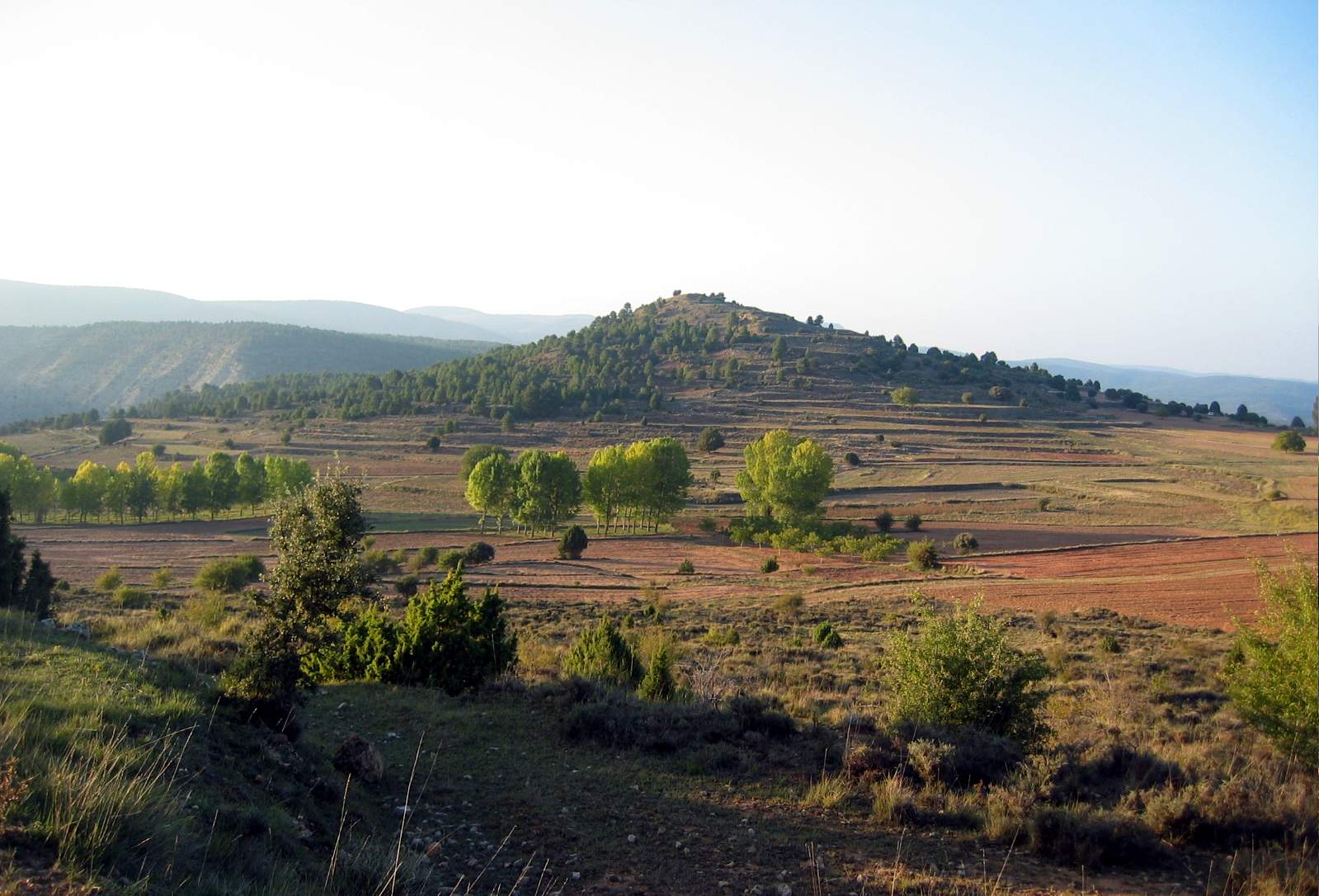
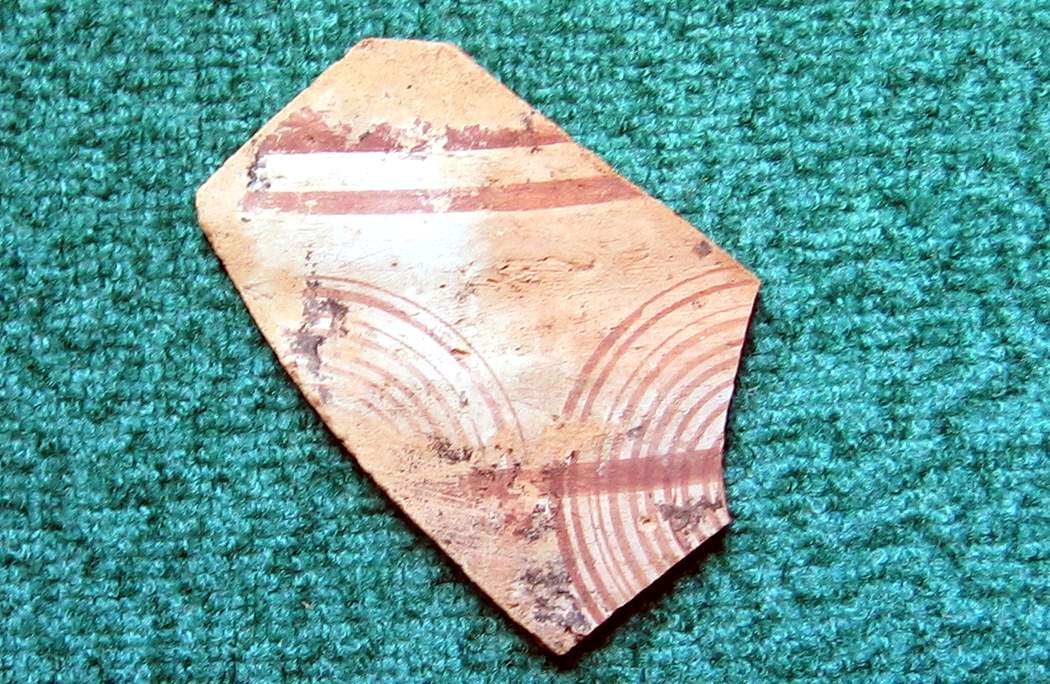


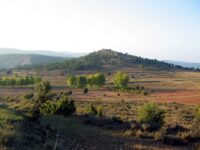
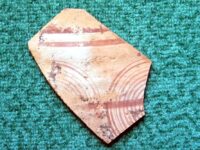

«"Both archaeological sites are testaments to the ancient civilizations that inhabited Castielfabib and offer a unique experience for lovers of history and archaeology."»
Roman and Arab Era
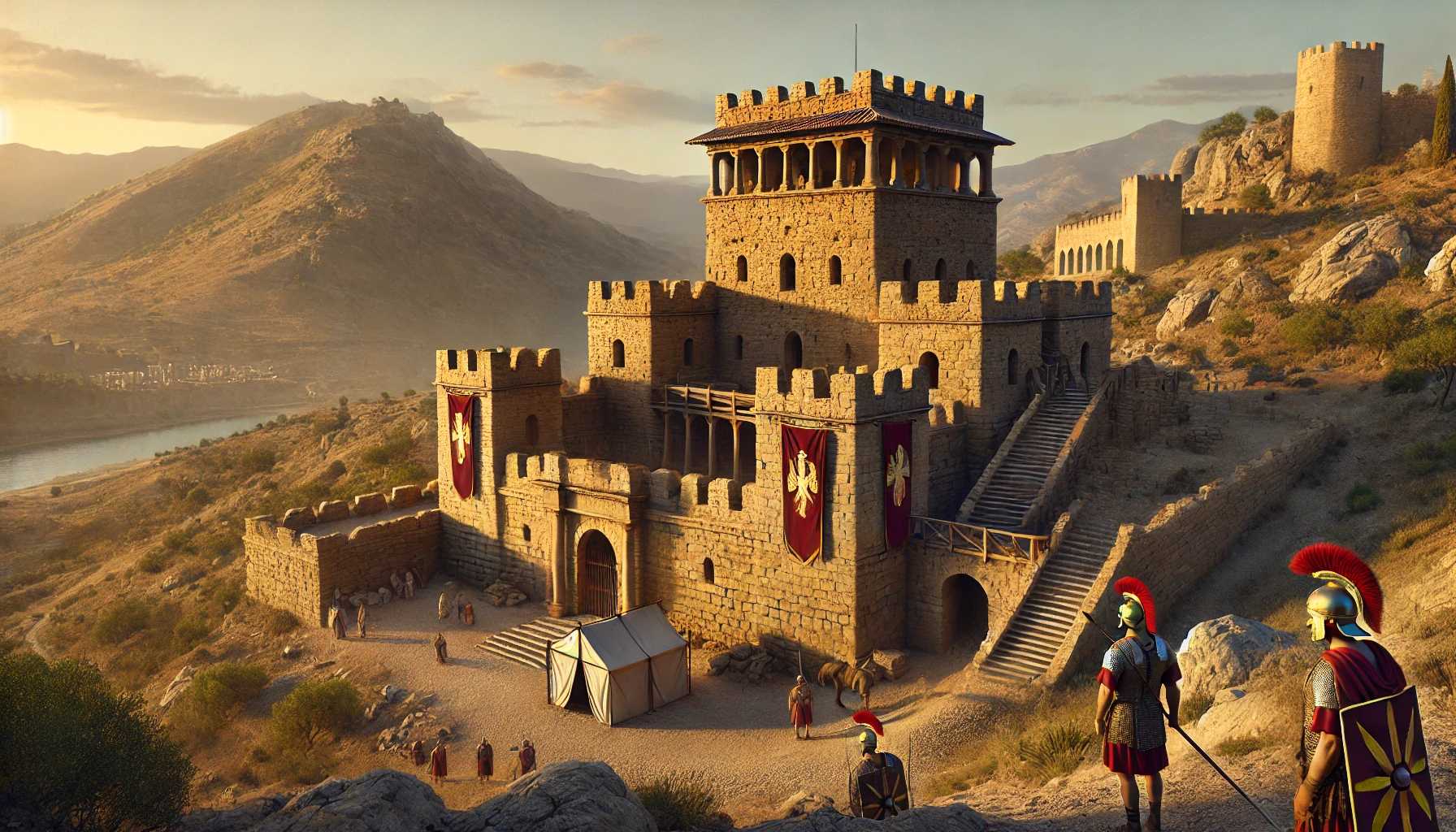
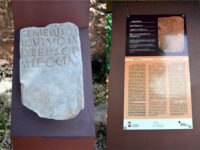
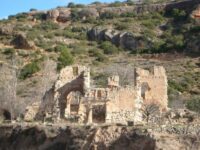
The Roman presence was recorded in various findings, such as the remains found in the Fabius Castleto the west of the village, and a fragment of the votive altar discovered in the departure of the Castillejo Los Santos in 1955, now in the Prehistoric Museum of Valencia.
These remains suggest that the area was part of the Roman Empire's trade and defensive routes. With the arrival of the Muslims between the years 714 and 716, Castielfabib became part of the taifa of Alpuente, later integrating into the Taifa of Albarracín, This reaffirmed its importance as a strategic enclave. During this period, its strength was consolidated, and the Saracens called it «Qastyl-al'Habib» (friendly castle), a name that reflects its relevance within the Islamic defensive network.
For almost five centuries of Muslim rule, Castielfabib was a military and administrative center that served to control access to Rincon de Ademuz, a region that, due to its border position, played a crucial role in the interaction between the Christian and Muslim kingdoms.
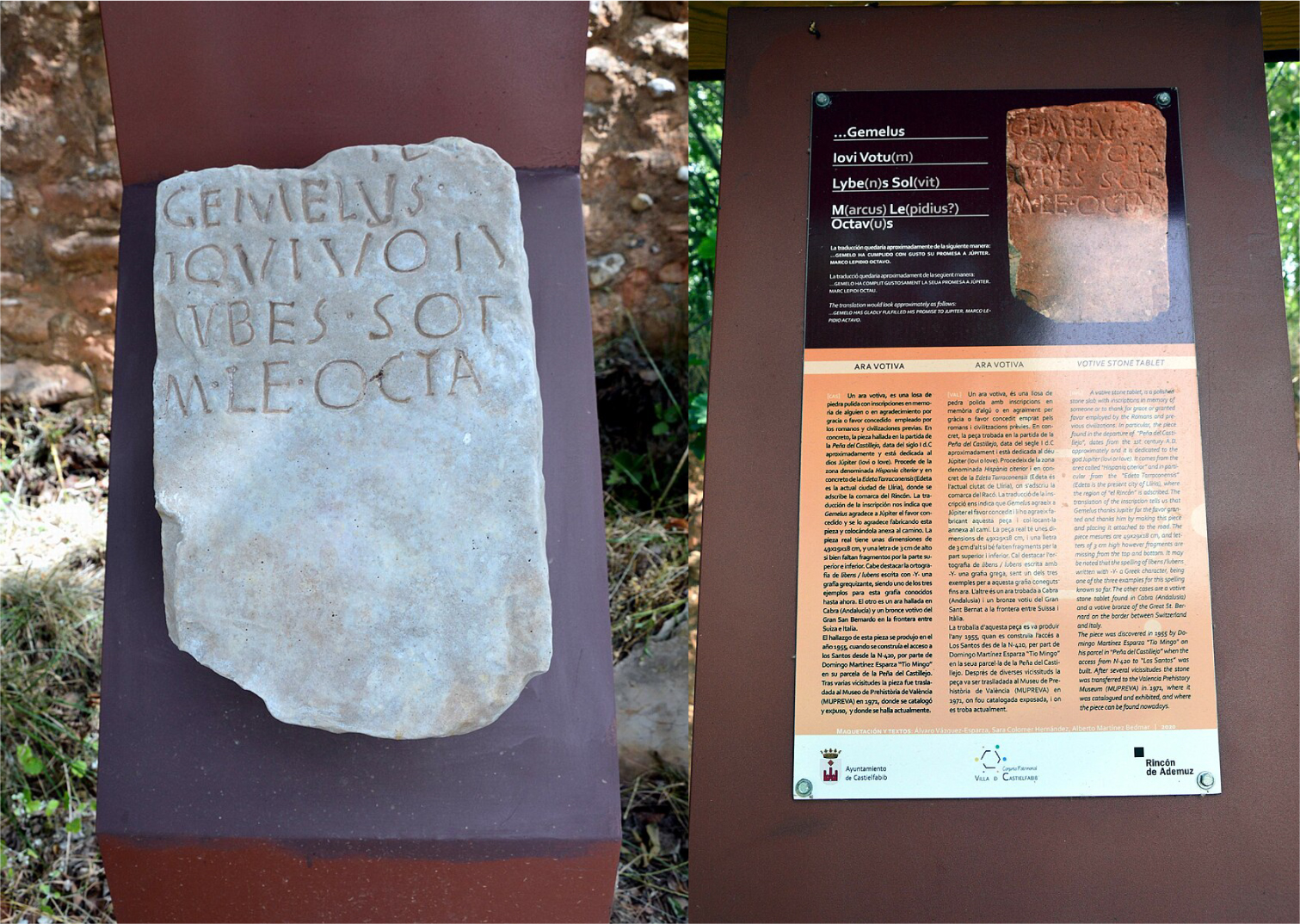
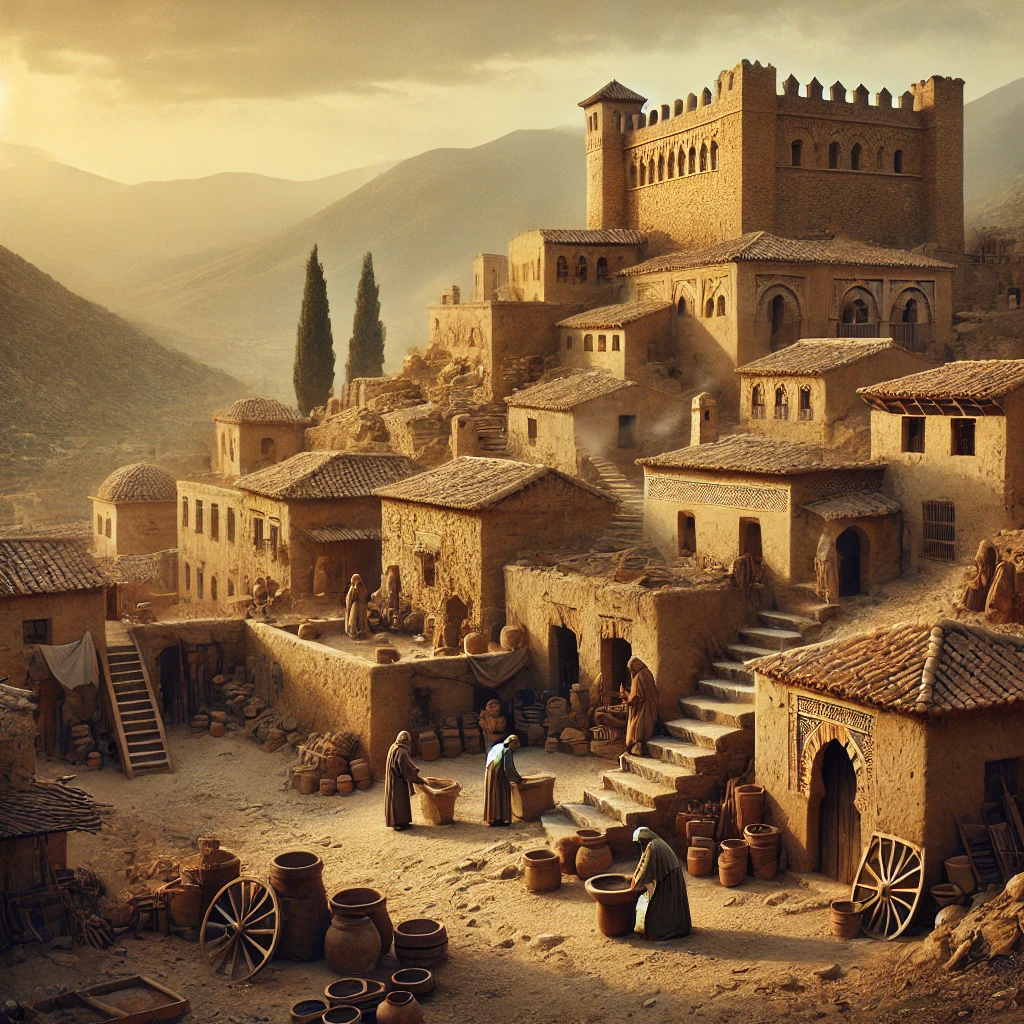
«"By exploring these remains, visitors can discover a fundamental historical chapter that adds depth and richness to the cultural landscape of Castielfabib."»
Christian Reconquest
The reconquest of Castielfabib marked the beginning of the Christian recovery of the Kingdom of Valencia. In 1210, Peter II of Aragon captured it after a prolonged siege, although it was temporarily recaptured by the Muslims until 1238 when James I definitively incorporated it into the Crown of Aragon. In 1273, the Treaty of Almizra confirmed its belonging to the Kingdom of Valencia, although during the following centuries the town was the subject of territorial disputes.
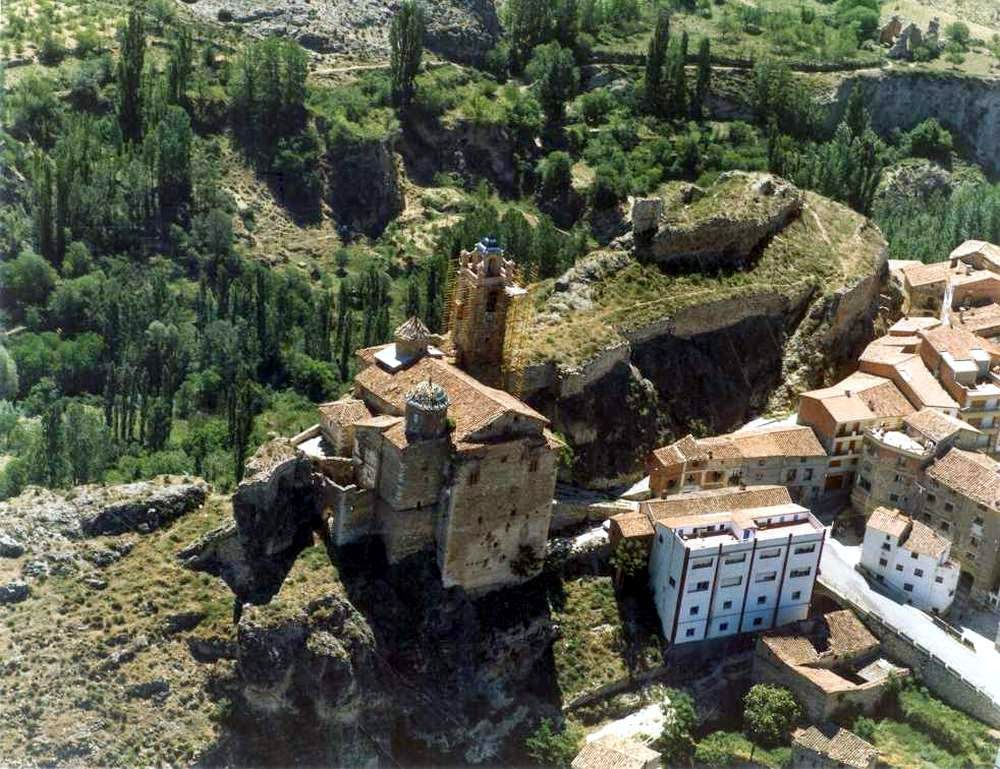
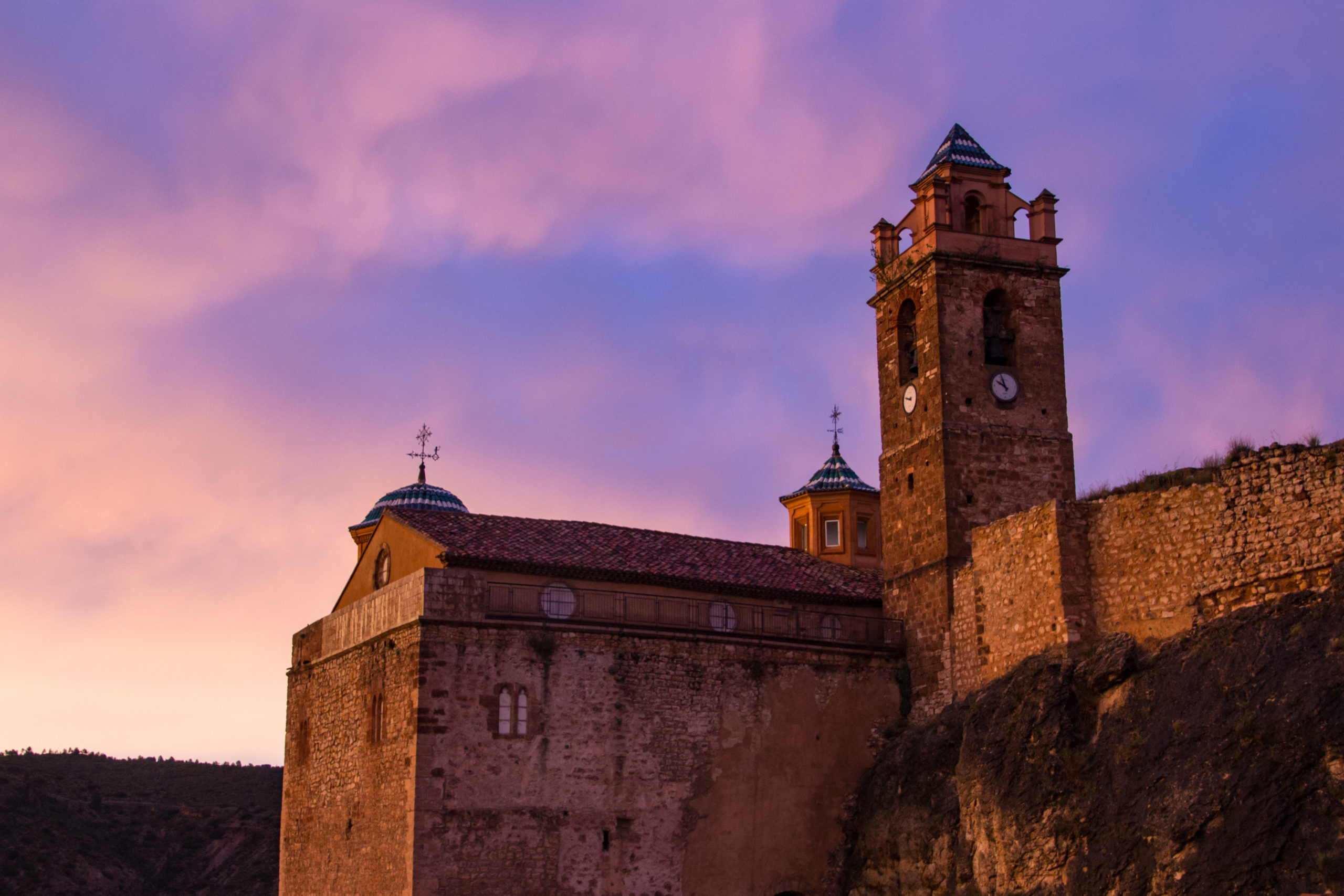
In 1319, the dissolution of the Knights Templar transferred their rights to the Order of Montesa, which established the barony of Castielfabib. Throughout the 14th and 15th centuries, the town suffered the ravages of constant warfare, such as the War of the Two Peters (1356-1367), which necessitated the refortification of its castle. Simultaneously, the fortified church of Our Lady of the Angels was built, which became a key religious center, hosting the first synod of the Bishop of Segorbe in 1358.
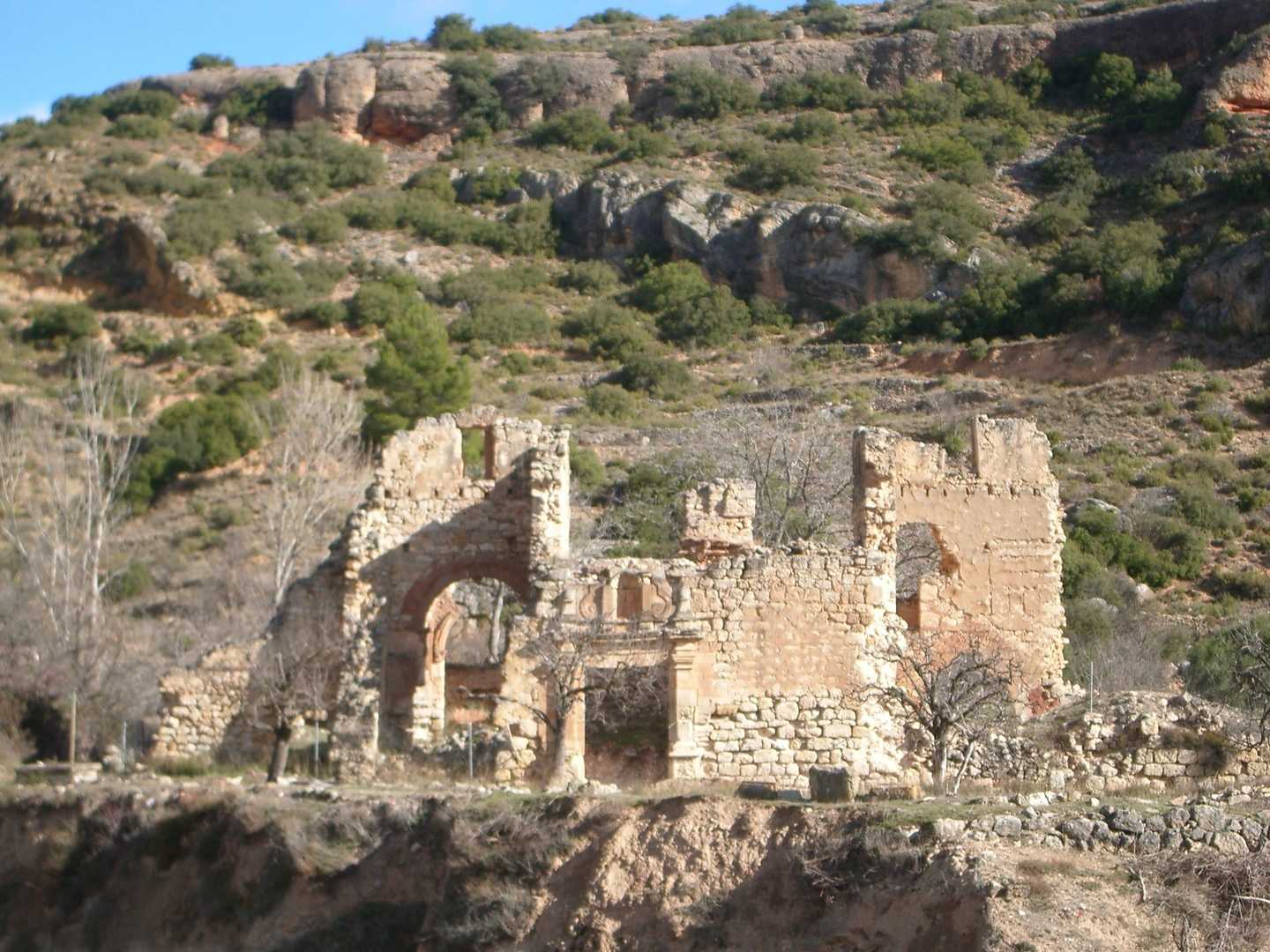
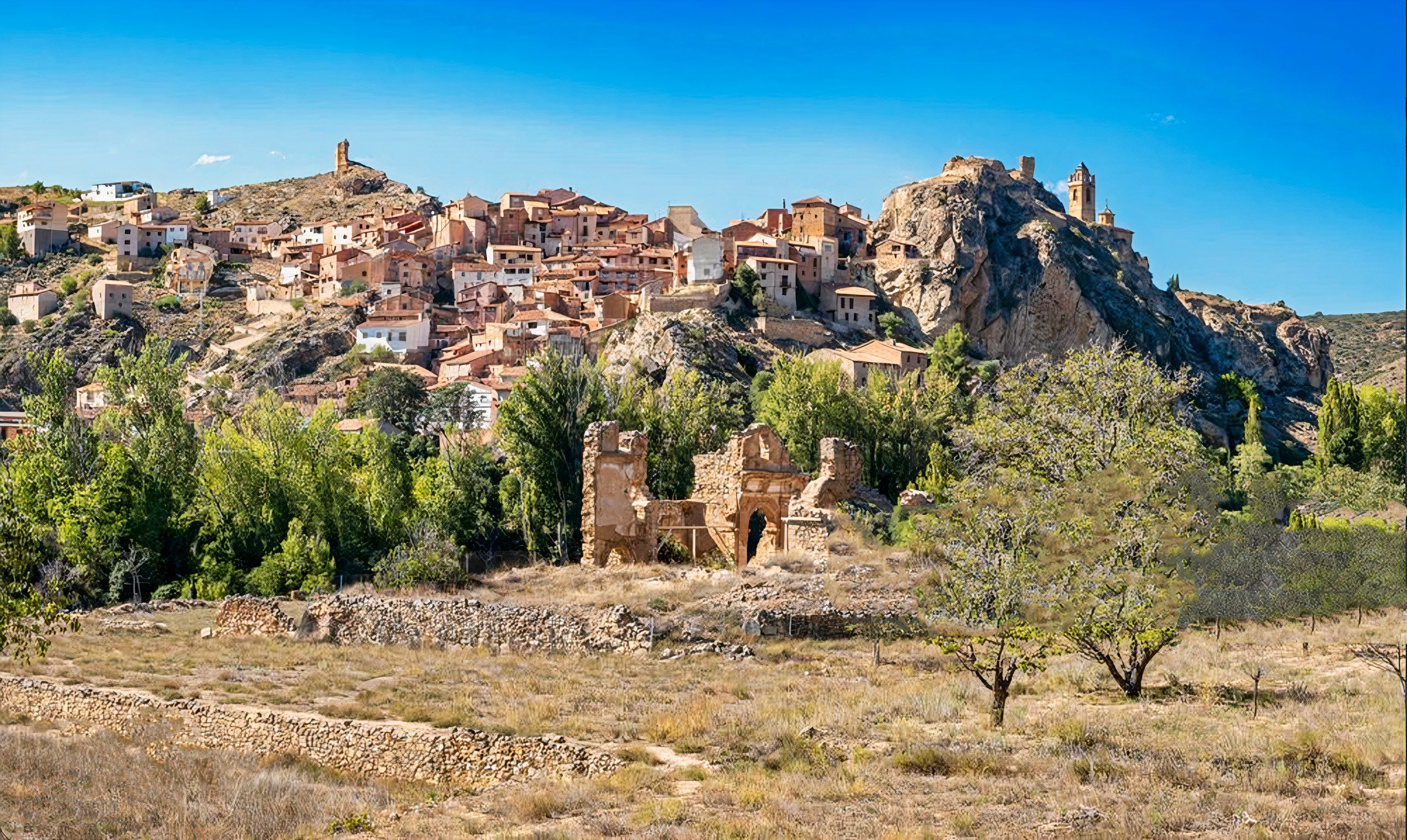
In the 15th century, the Augustinian order established the convent of Our Lady of Grace, contributing to the monastic and religious life of the town.
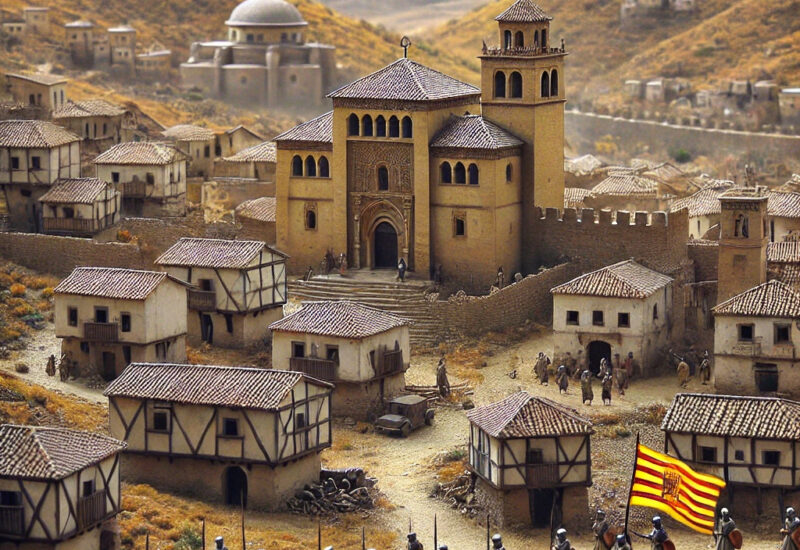
«"Discover traces of Muslim influence and the origins of the Valencian Reconquista, with historic fortresses, ancient irrigation systems and names that evoke their legacy."»
Modern Age
In the 16th century, Castielfabib lost its strategic value due to the union of the Crowns of Castile and Aragon, although it retained religious and administrative importance. The arrival of the Franciscans in 1577, following the departure of the Augustinians and Carmelites, strengthened its ecclesiastical life. During the 17th and 18th centuries, renovations were carried out on the parish church and the Chapel of Saint William was built. The War of the Spanish Succession (1700-1714) had a minor impact on the town, which remained stable until the 19th century.
The Modern Age brought with it the French occupation during the War of Independence, when the fortified church was used as a prison and command post. Later, the First Carlist War (1833-1840) severely affected the town, with the reconstruction and subsequent destruction of its castle. In 1835, the Mendizábal Disentailment led to the expulsion of the Franciscans and the sale of church property.
Despite these changes, the territory of Castielfabib remained relatively unchanged since the Middle Ages, consolidating its historical identity within the Rincón de Ademuz.
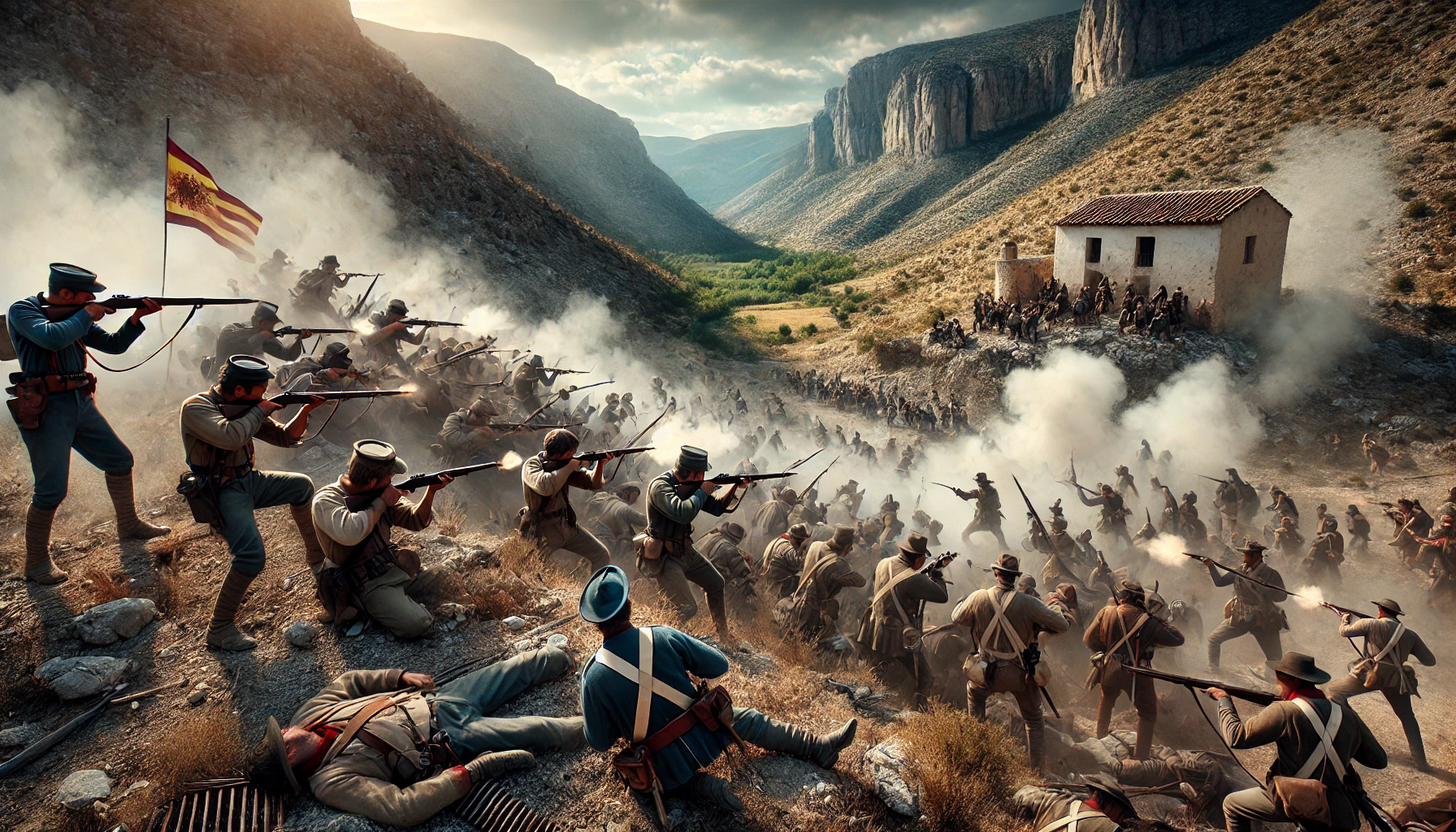
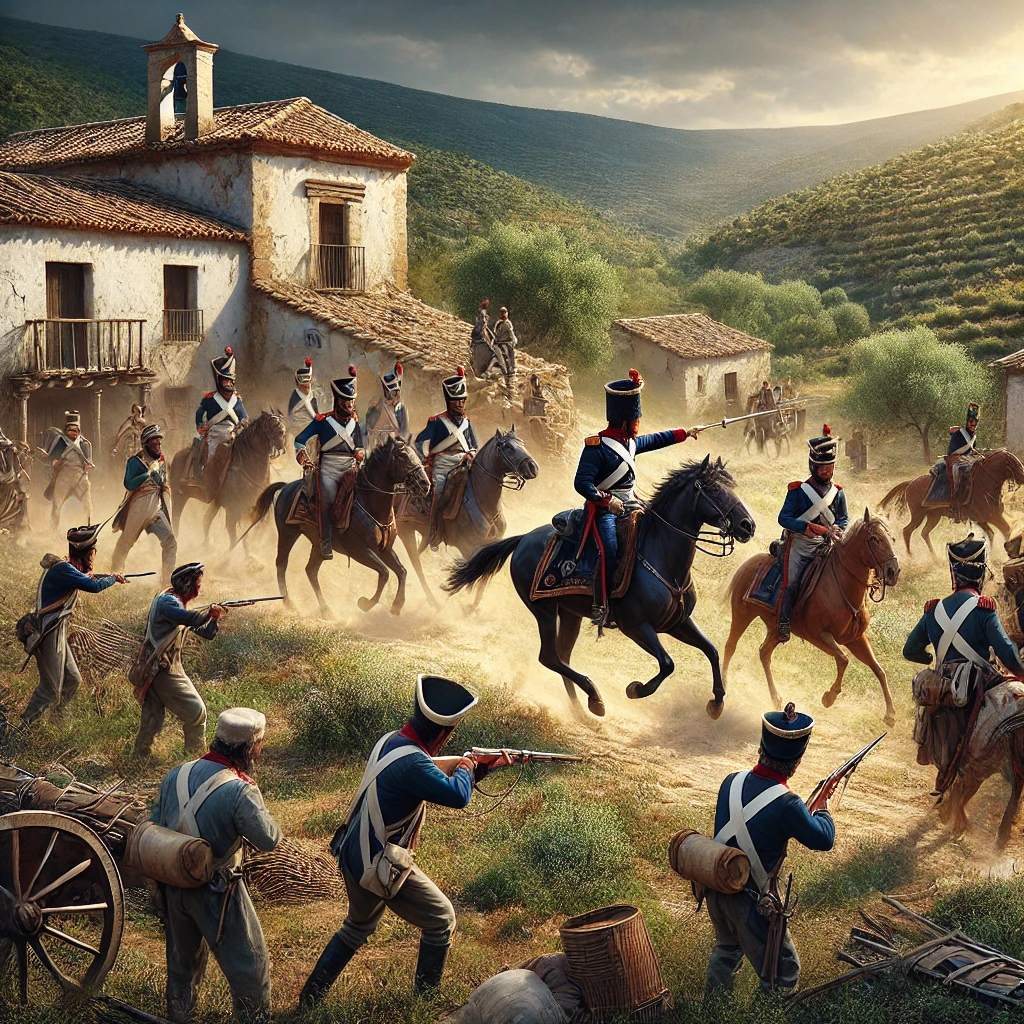


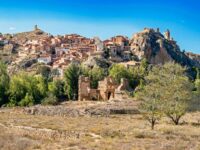
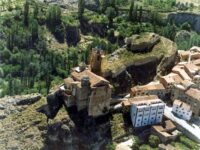
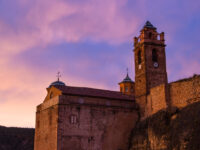
«"Today, visiting Castielfabib is also about experiencing this era of struggle and resistance, where the landscape still retains echoes of its intense Carlist history, making it a fascinating destination for lovers of history and heritage."»