
culture
Castielfabib:
A treasure trove of cultural heritage and unforgettable experiences
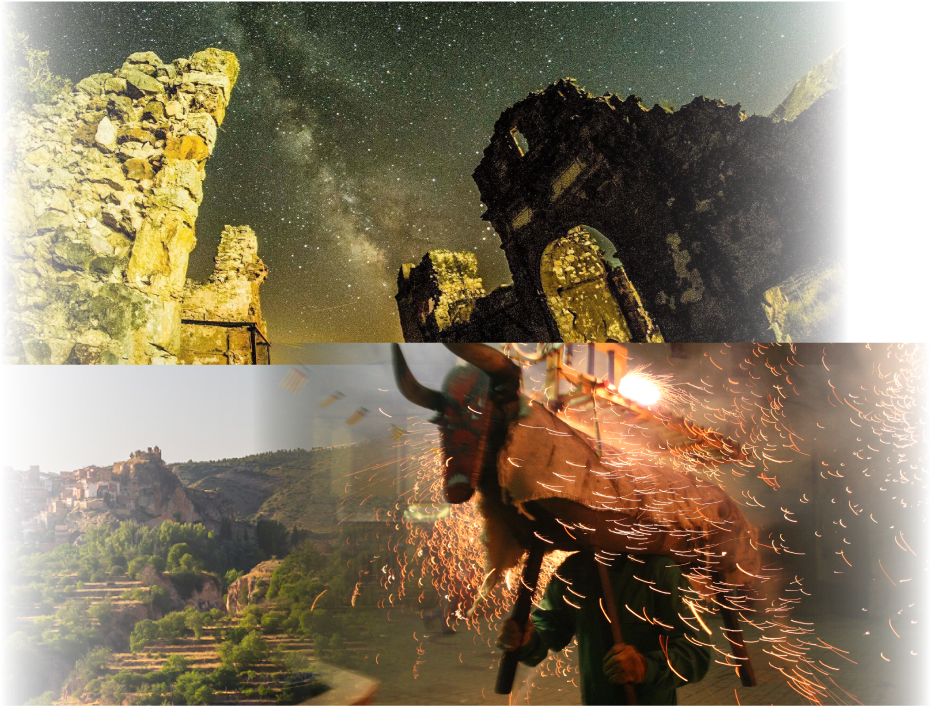
Castielfabib has a rich cultural heritage which includes impressive examples of civil and religious architecture, historic road infrastructure, valuable archaeological sites and intangible heritage deeply rooted in its traditions.
From the medieval fortress which rises in its historic core, passing through the From the ruins of the San Guillermo convent and the prehistoric sites of Lomas de Abril, to vibrant celebrations like Holy WeekThis destination is a jewel that combines history, authenticity and a privileged natural environment.
Civil architecture:
Testimonies of the History of Castielfabib
The civil architecture of Castielfabib transports us through the centuries with buildings that reflect its medieval past and historical evolution. Every corner of its historic center offers a glimpse into its rich heritage, from traditional houses to its monumental fortifications.
Castielfabib Castle
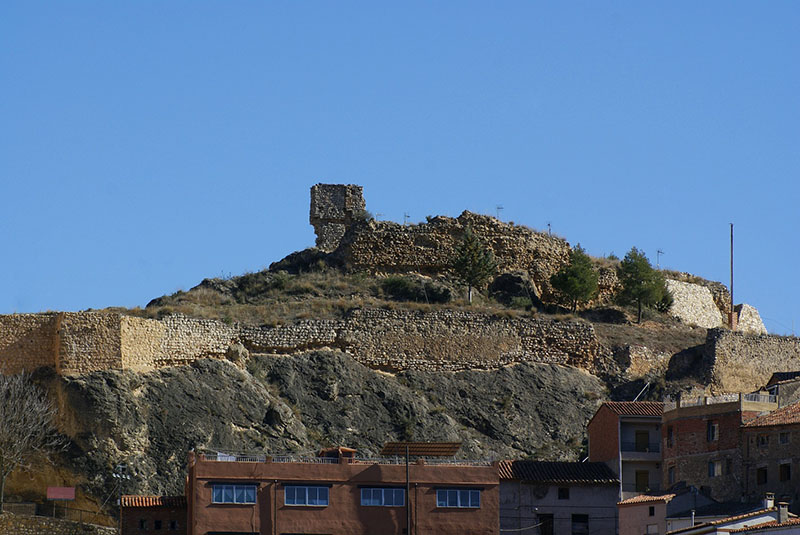
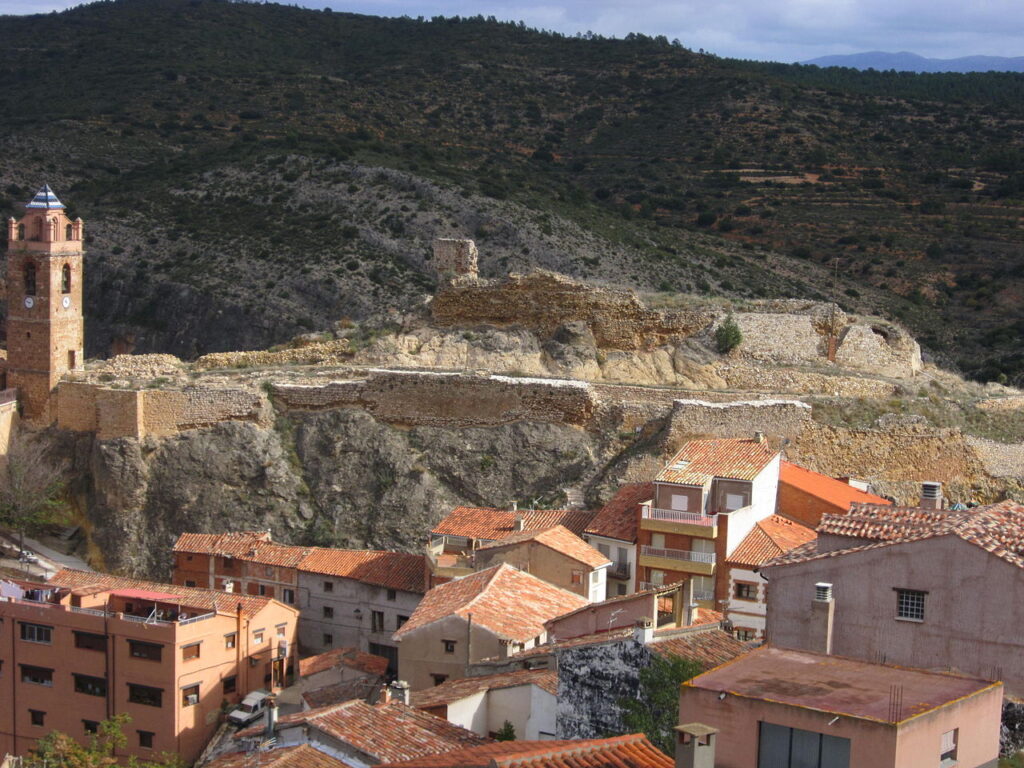
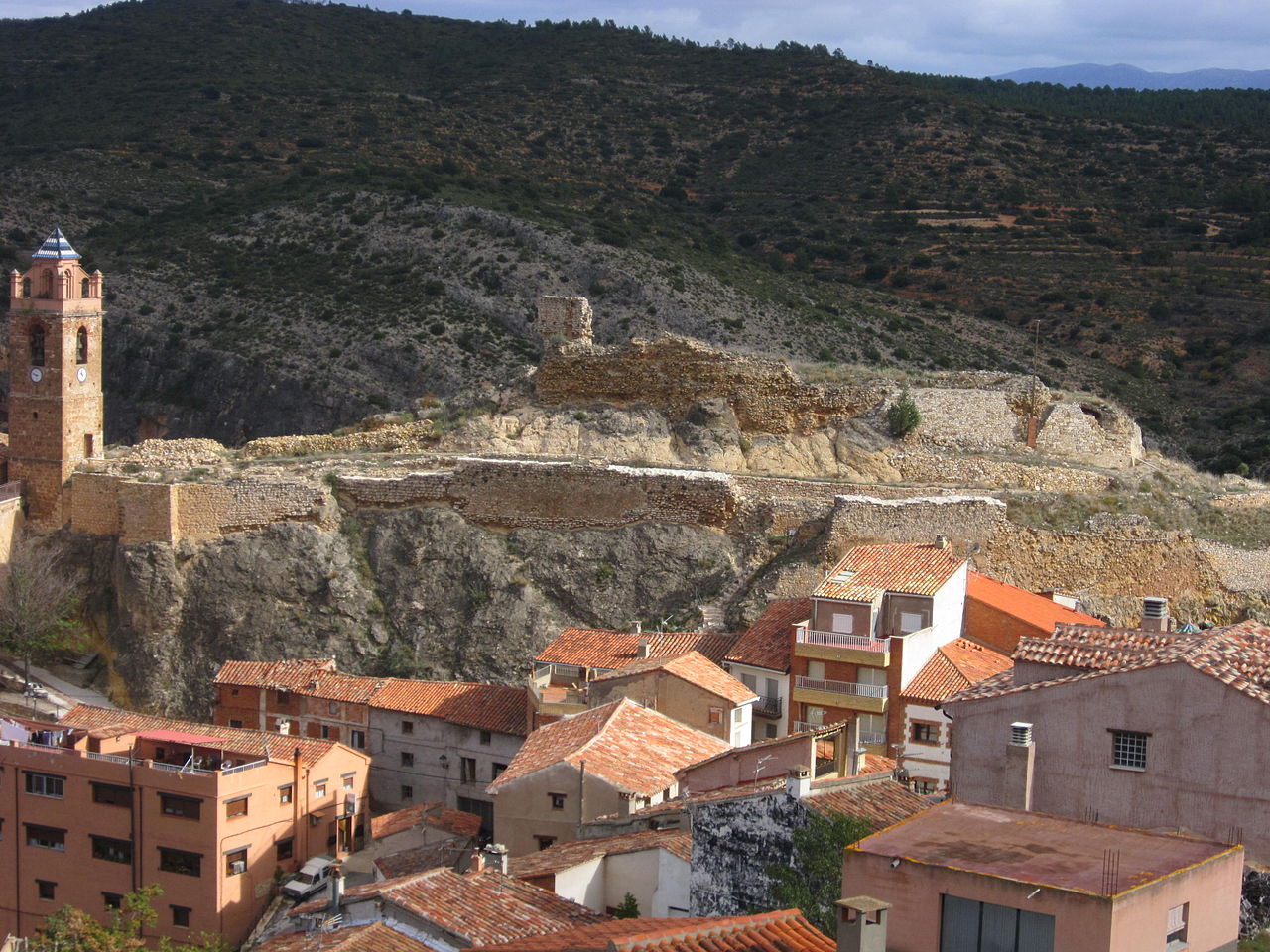
Dominating the town from Mount Fabio, the castle is a vestige of Roman origin that was expanded during the Muslim rule. During the Middle Ages, it was a key element in the defense of the region. Today, its ruins evoke the grandeur of its past.
Casa de la Villa
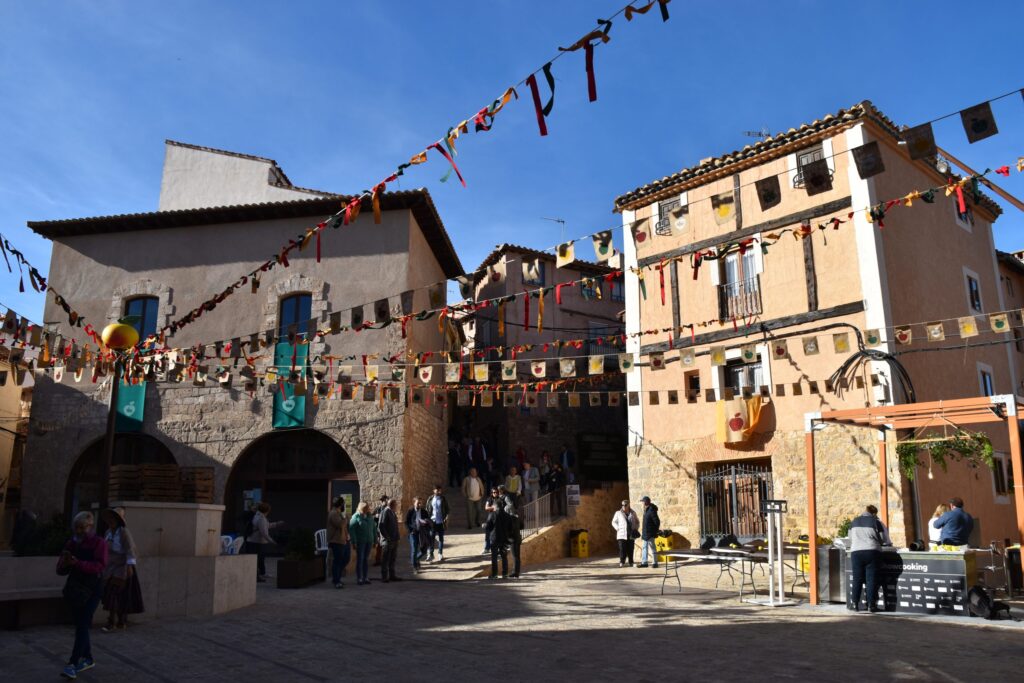
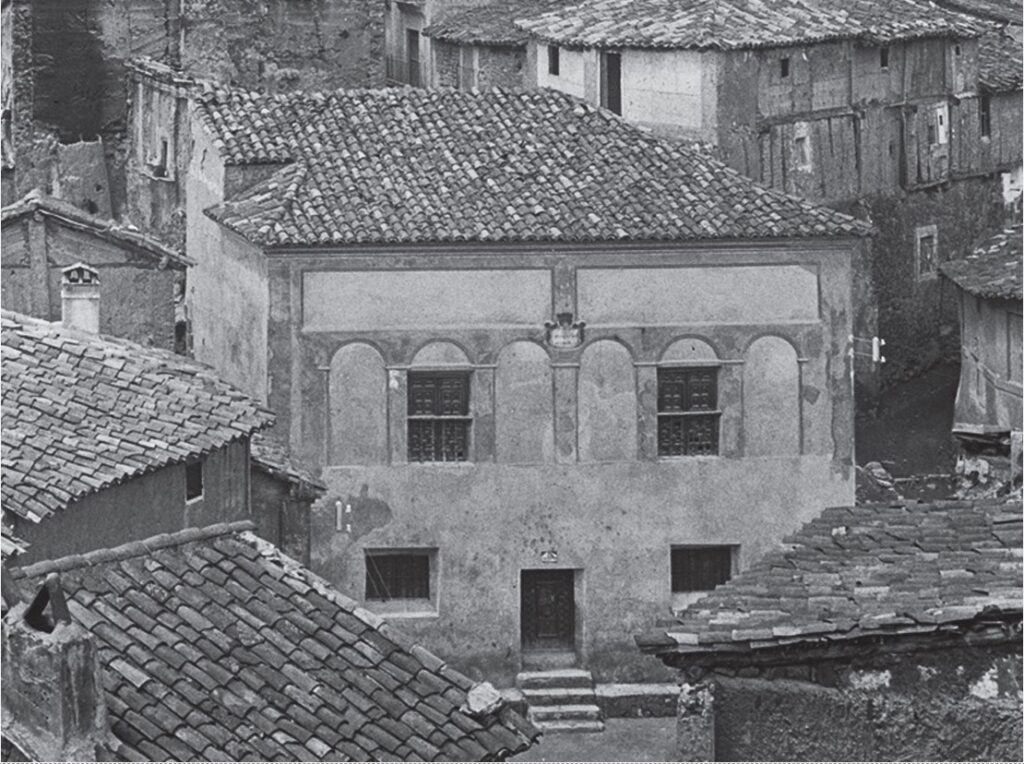
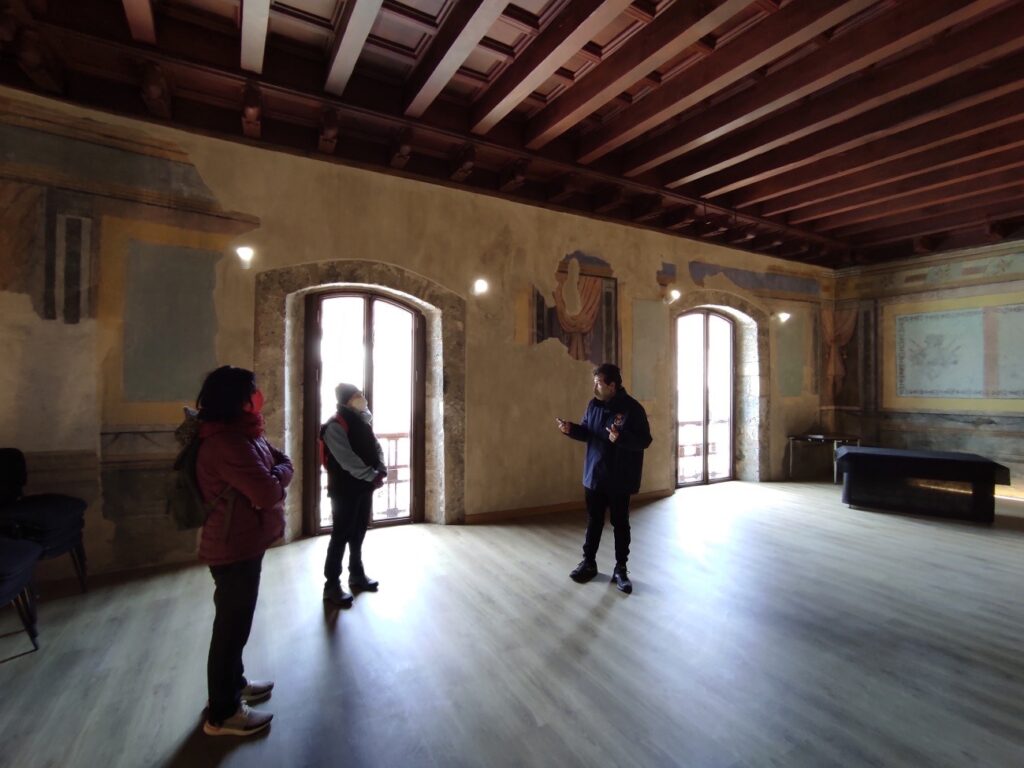
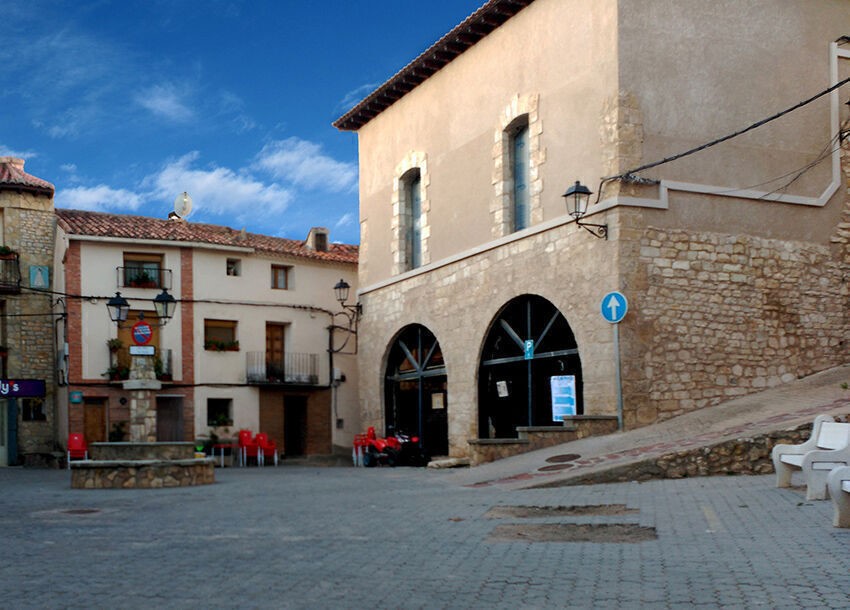
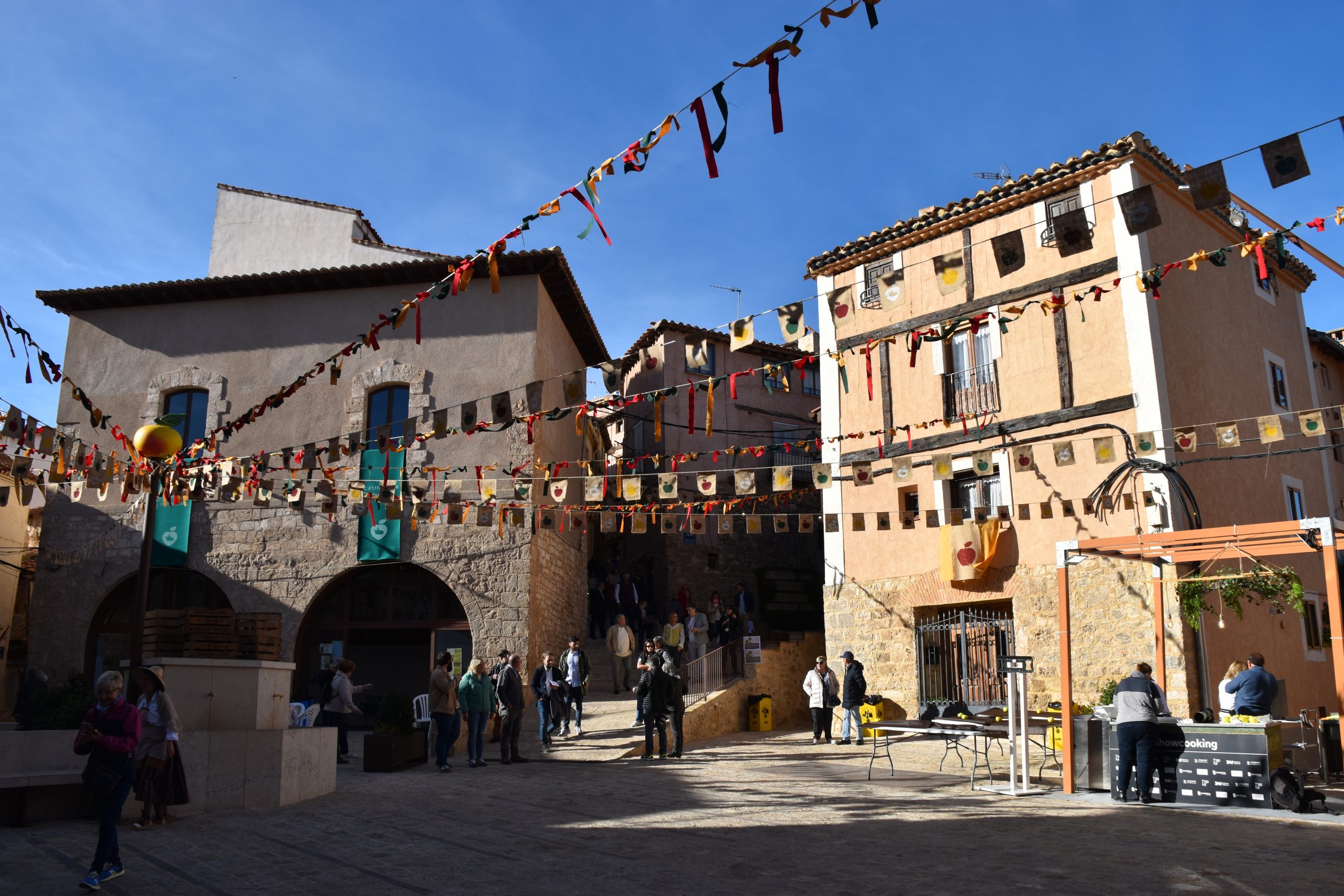
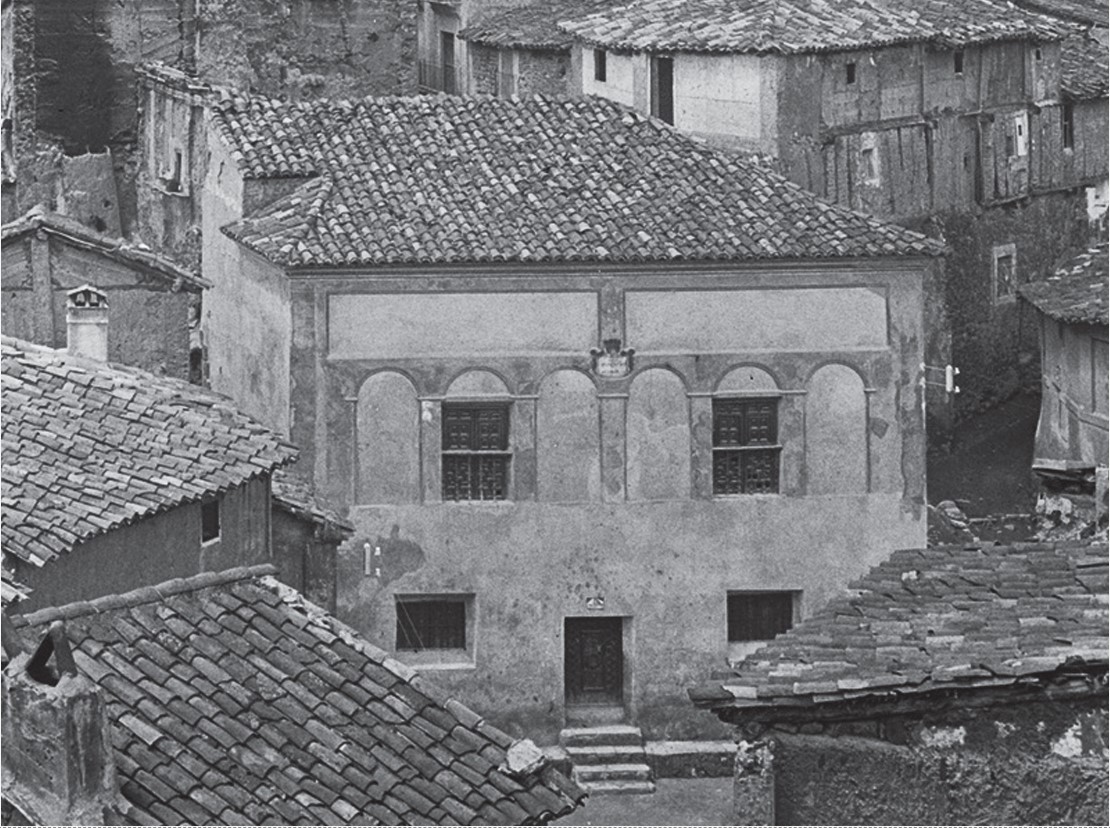
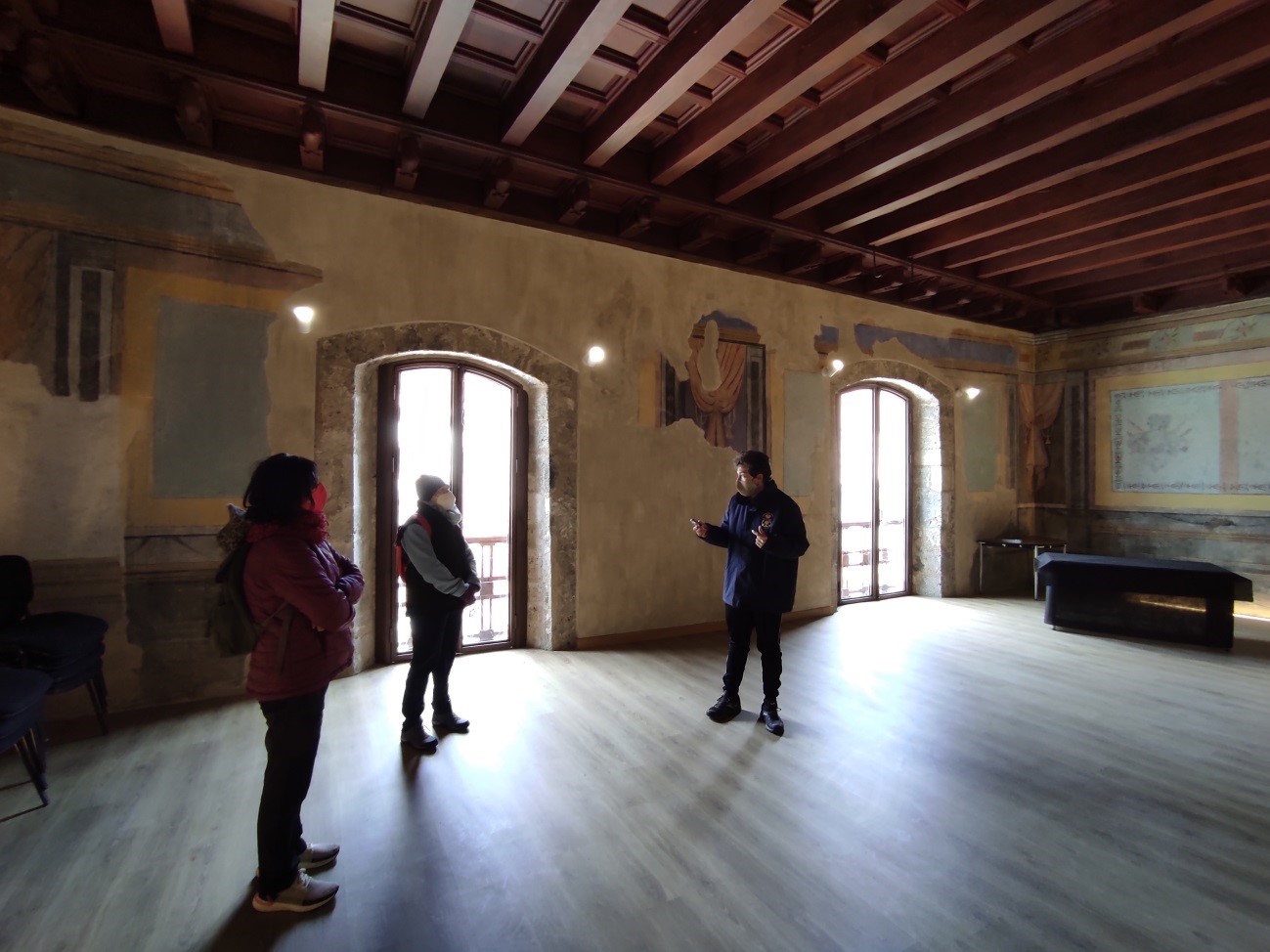
Located in the main square, this emblematic 15th-century building features a Renaissance loggia on its ground floor and a decorated wooden coffered ceiling inside. Currently under restoration, it remains a symbol of the town's splendor.
Molino de la Villa
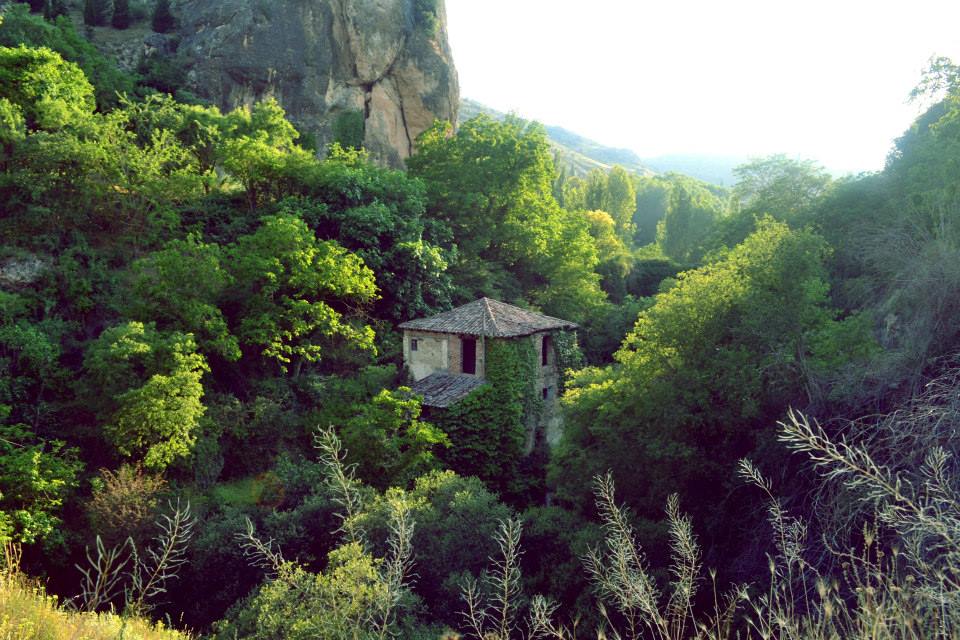
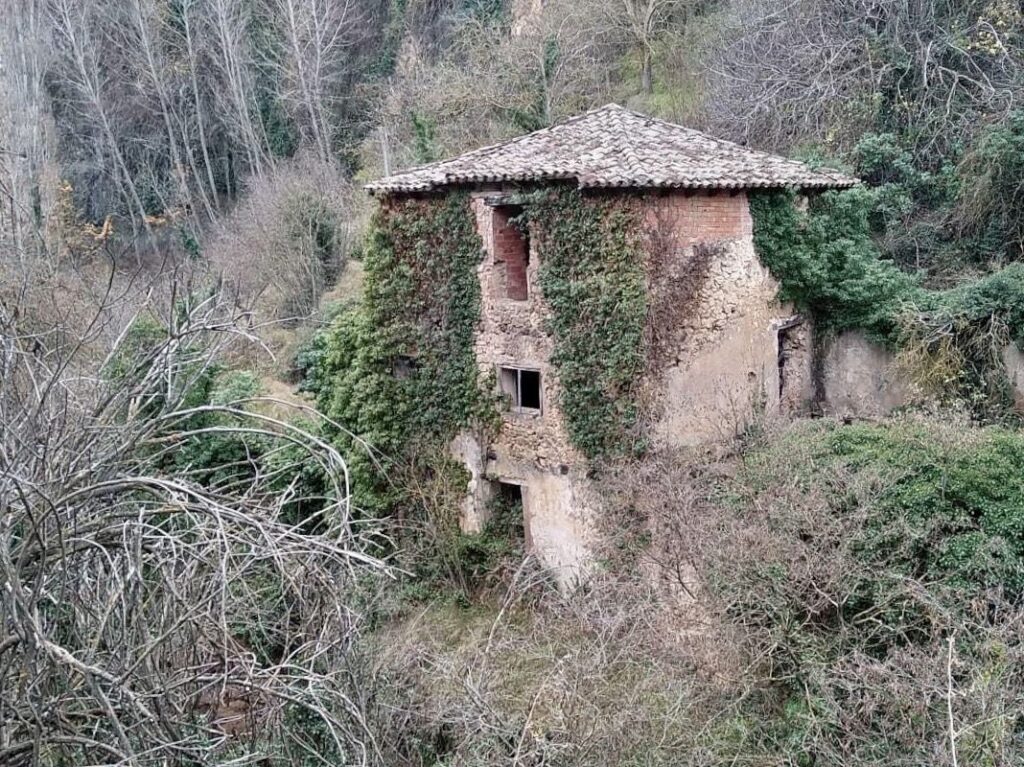
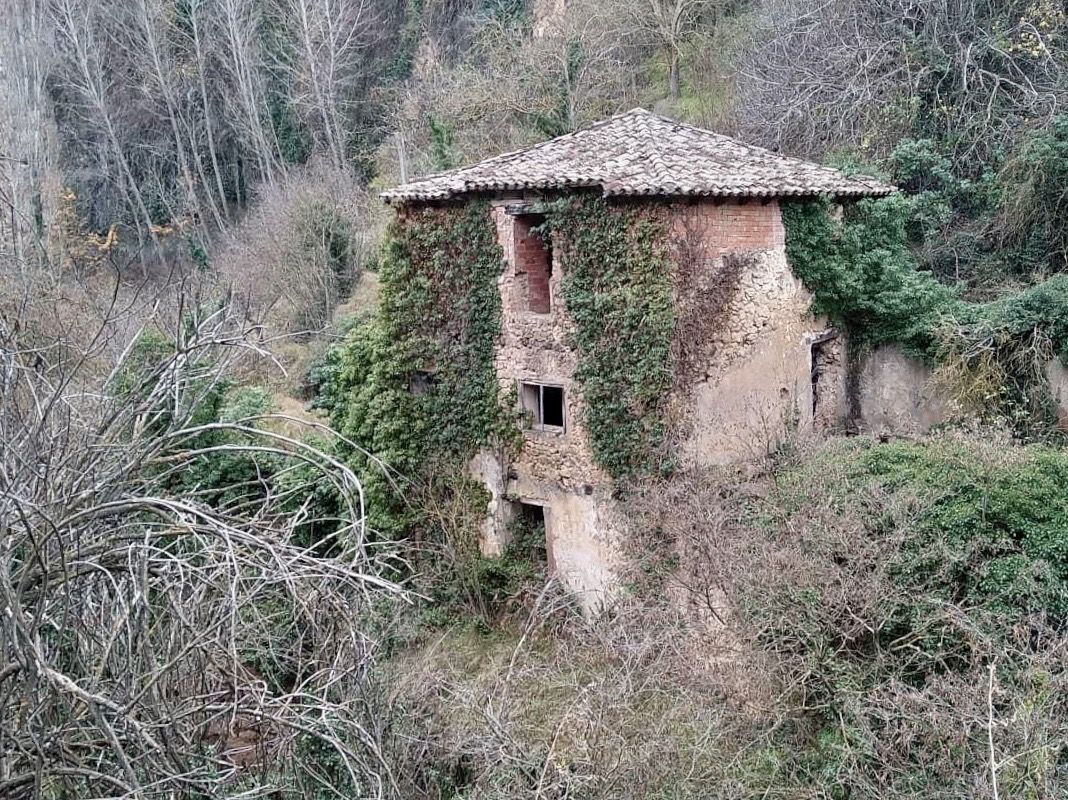
Located on the banks of the Ebrón River, this old mill is situated in a natural setting of great beauty, offering a testament to the importance of hydraulic activity in the region.
Defensive towers and wall remains
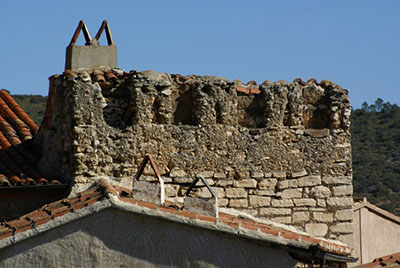
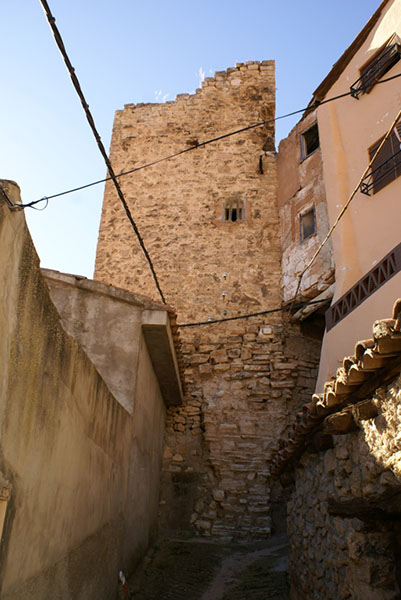
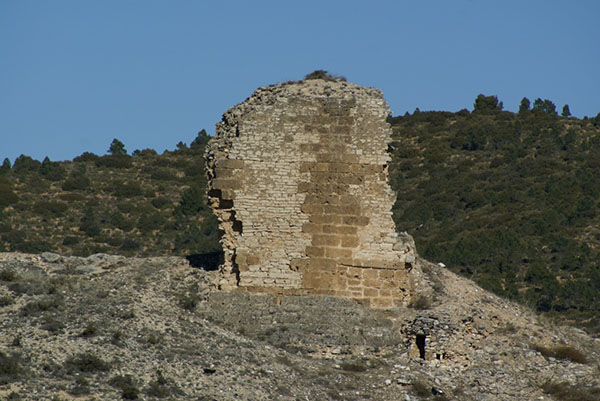
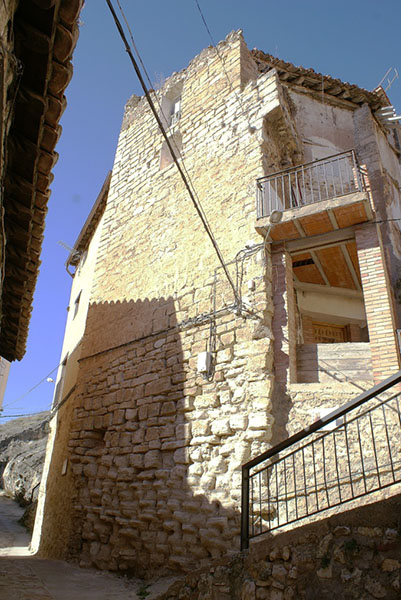
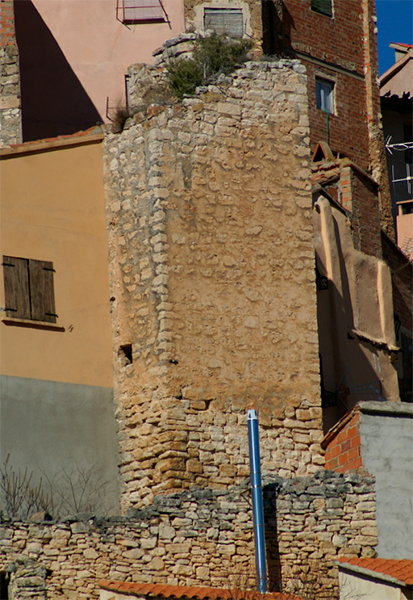
Fragments of it can be found in the village centre, among the houses.
Castielfabib Tunnels: "La Solana" and "La Umbría""
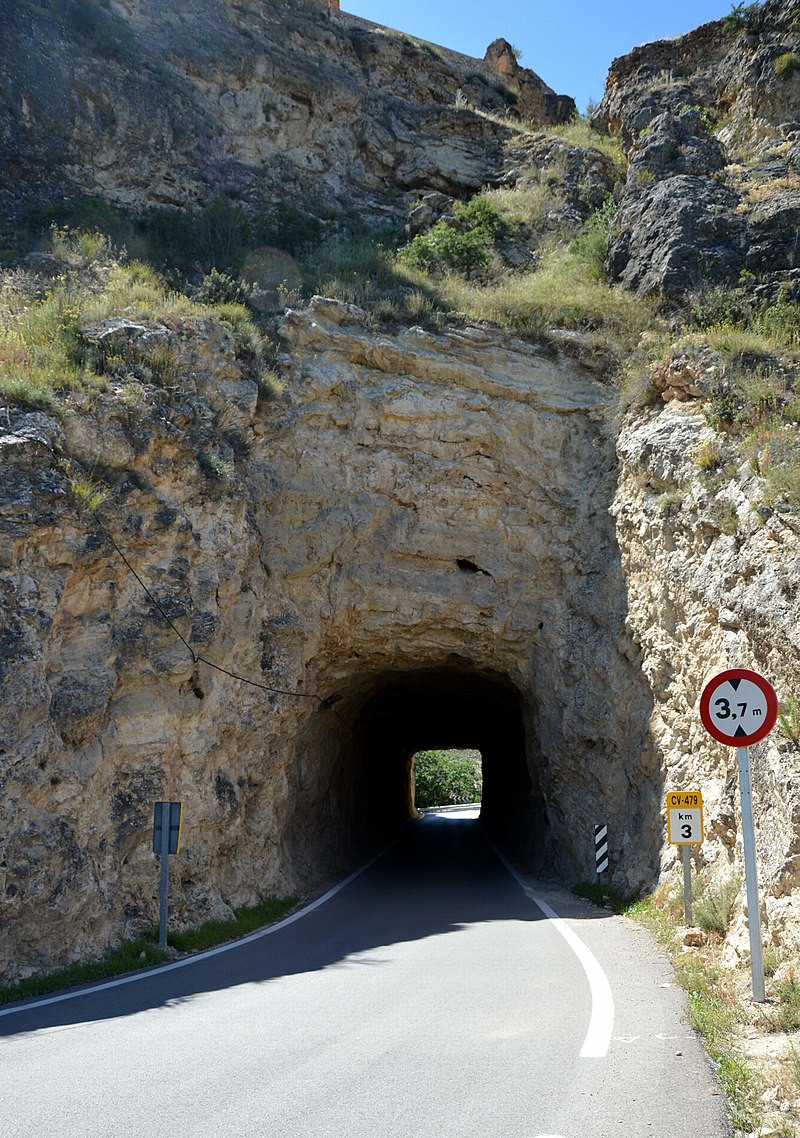
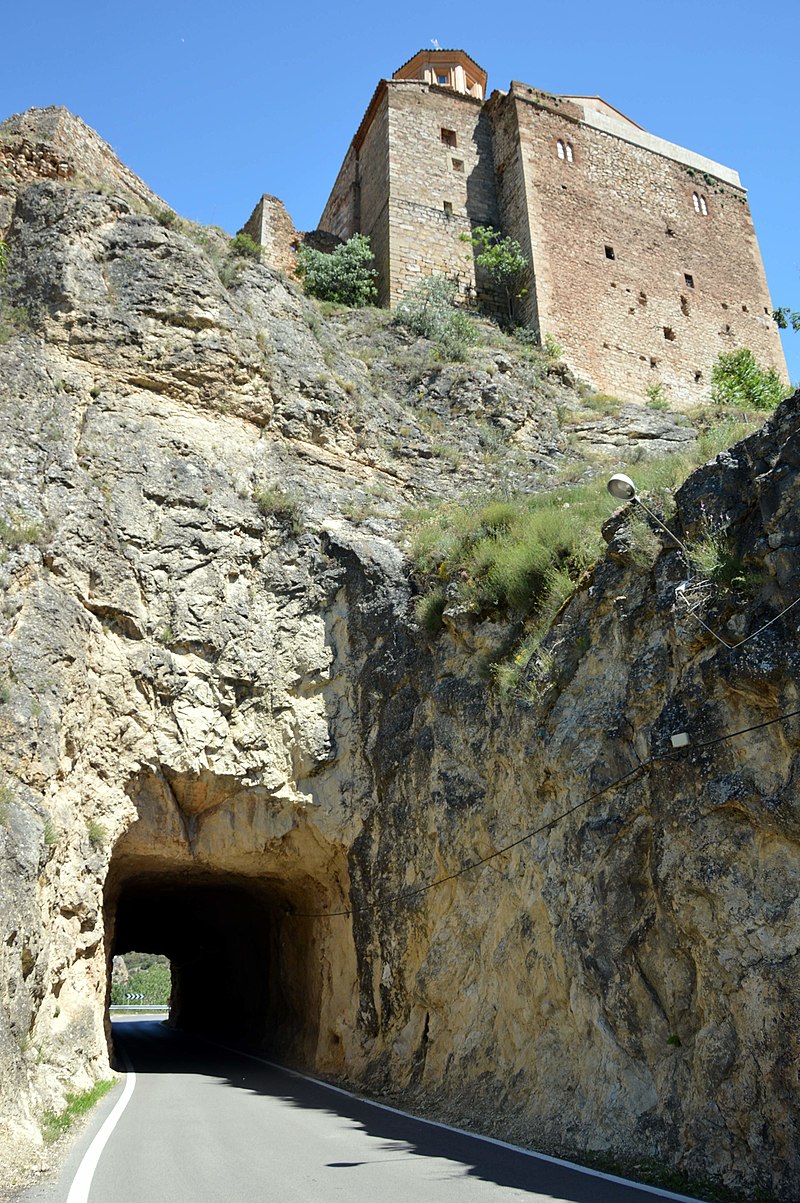
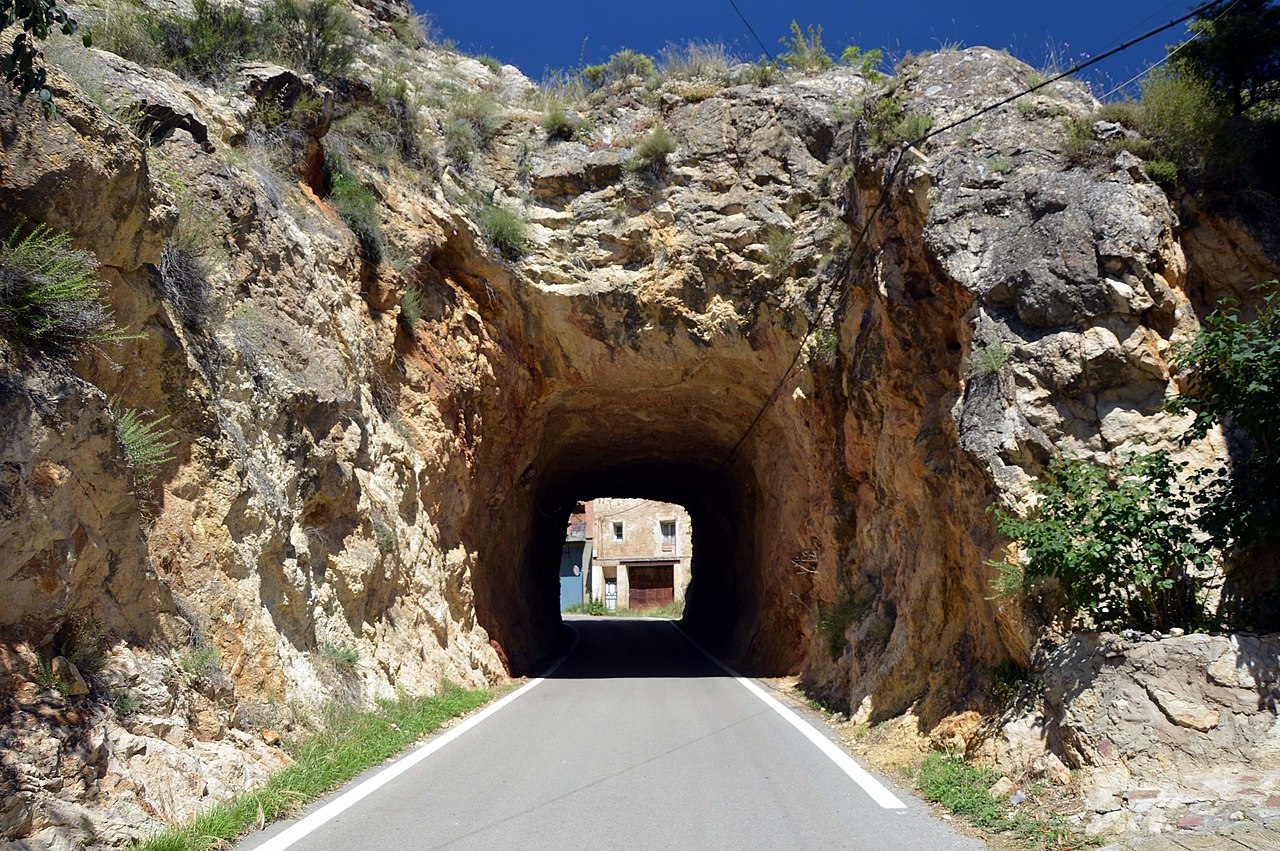
Named "La Solana" and "La Umbría", they were carved during the Dictatorship of Primo de Rivera.
Castielfabib Hydroelectric Power Plant
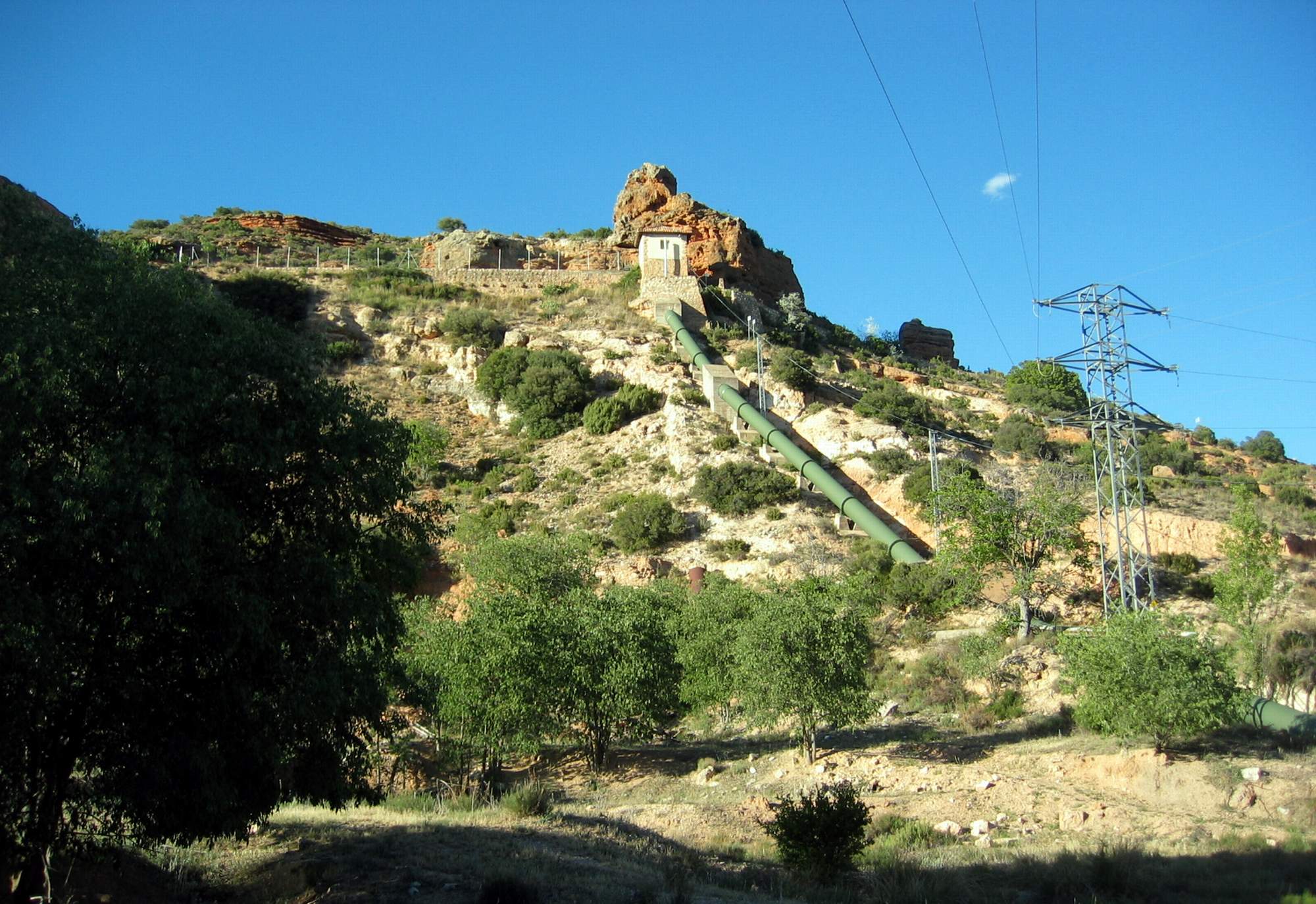
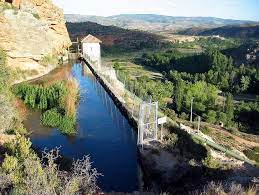
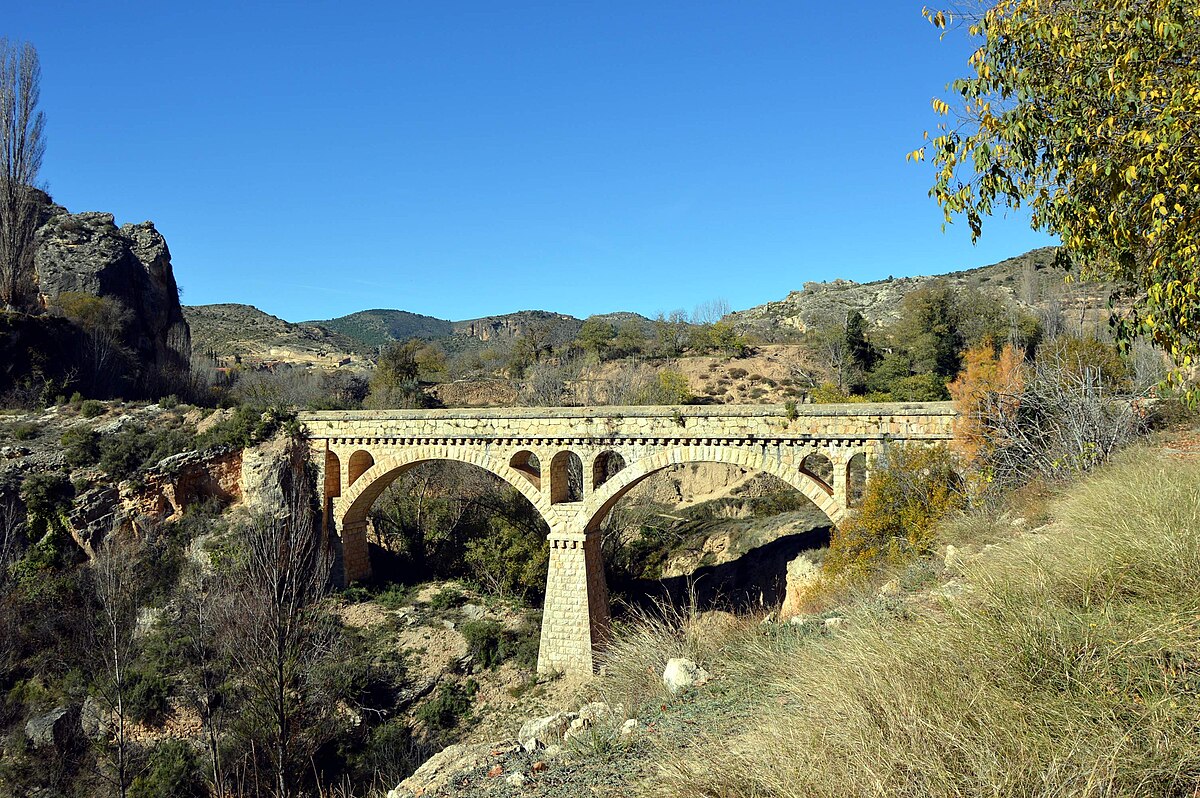
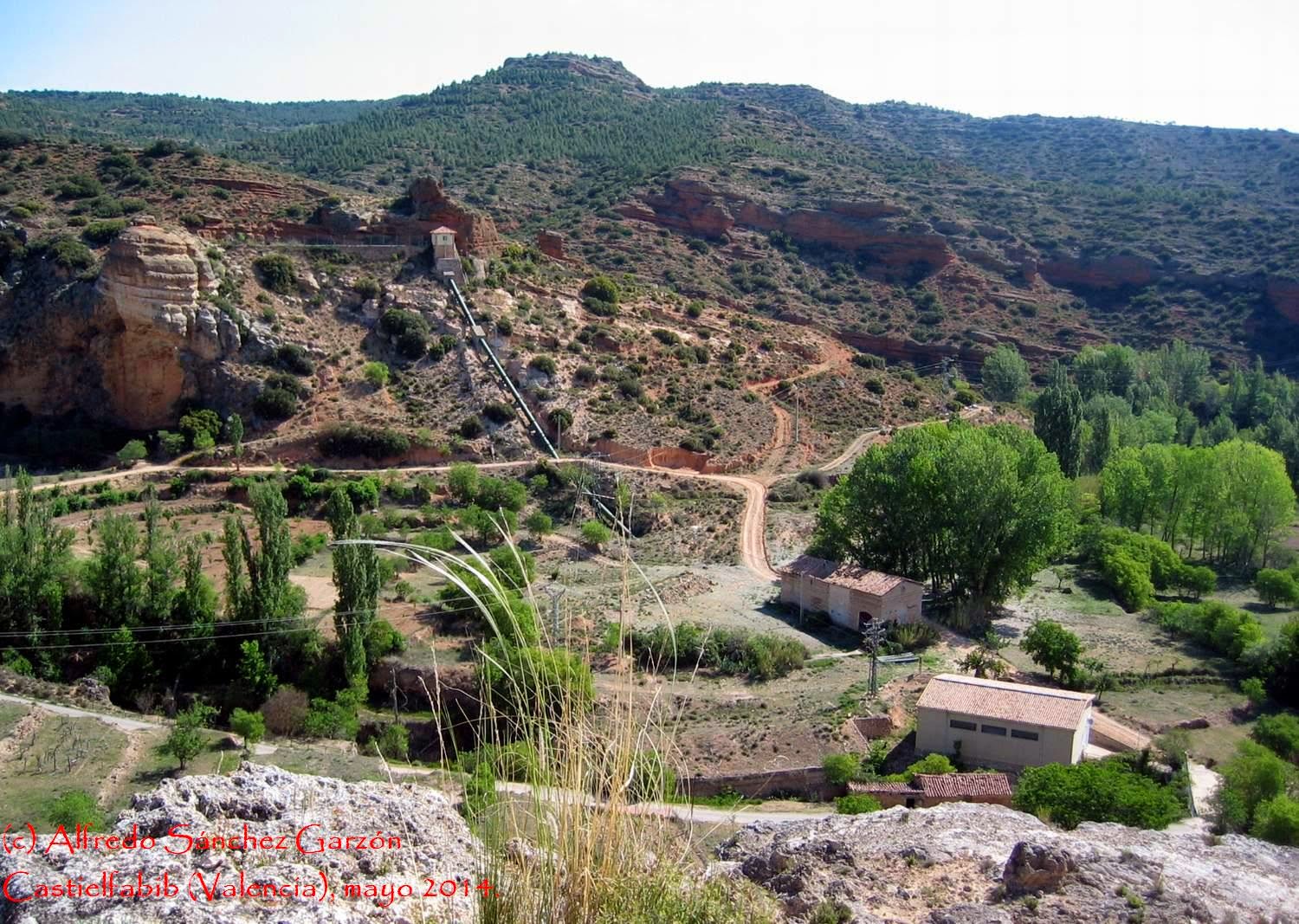
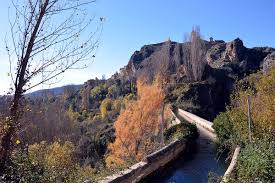
A huge hydraulic engineering project from the beginning of the 20th century (1914), the work of the engineer from Teruel, José Torán de la Rad (1888-1932), and one of the most important in Spain at the time, popularly known as "La Central".
Castielfabib preserves an impressive legacy of religious architecture that includes churches, convents and hermitages, some of them with centuries of history and great artistic relevance.
Church of Our Lady of the Angels
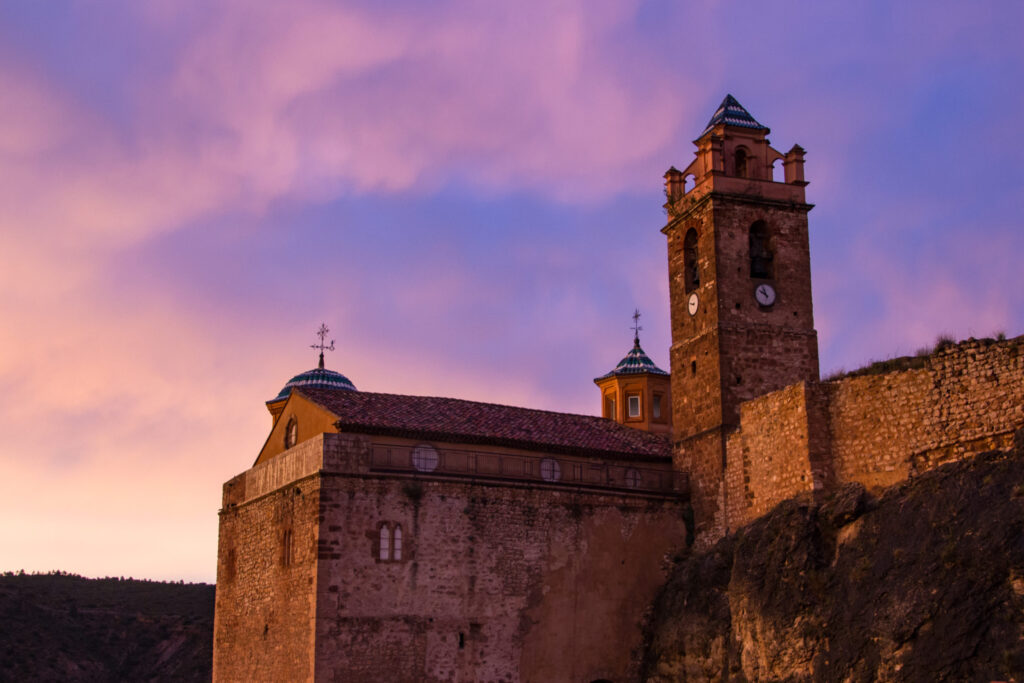
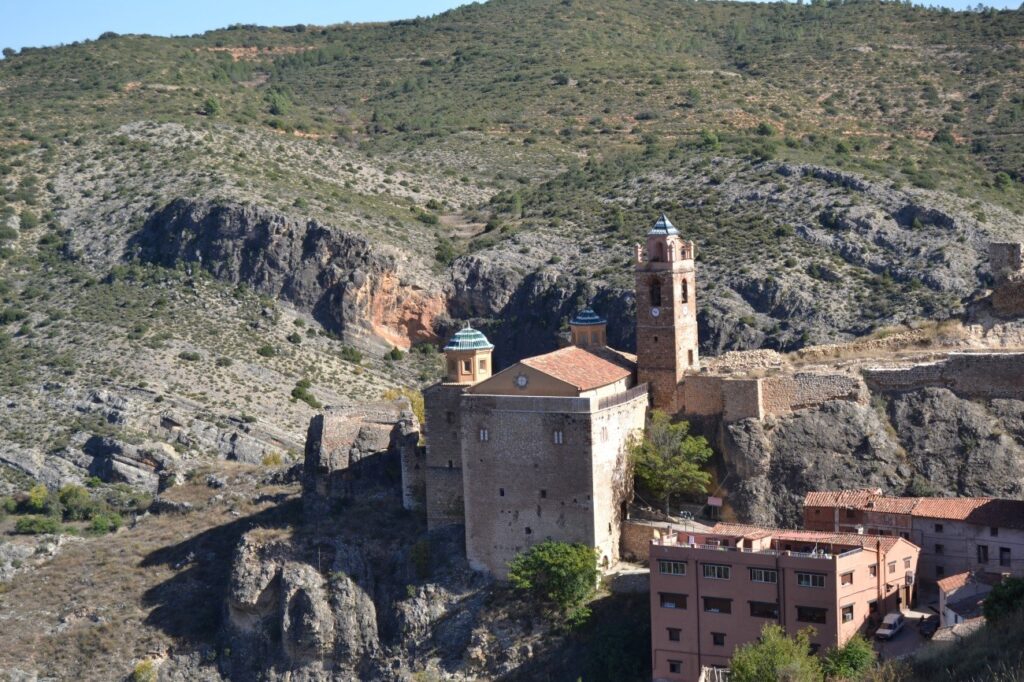
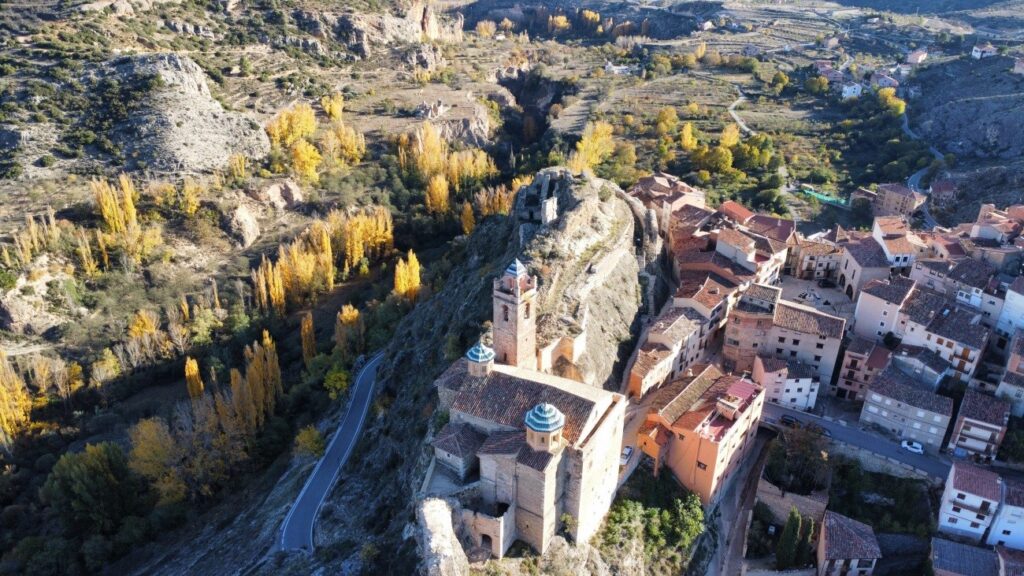
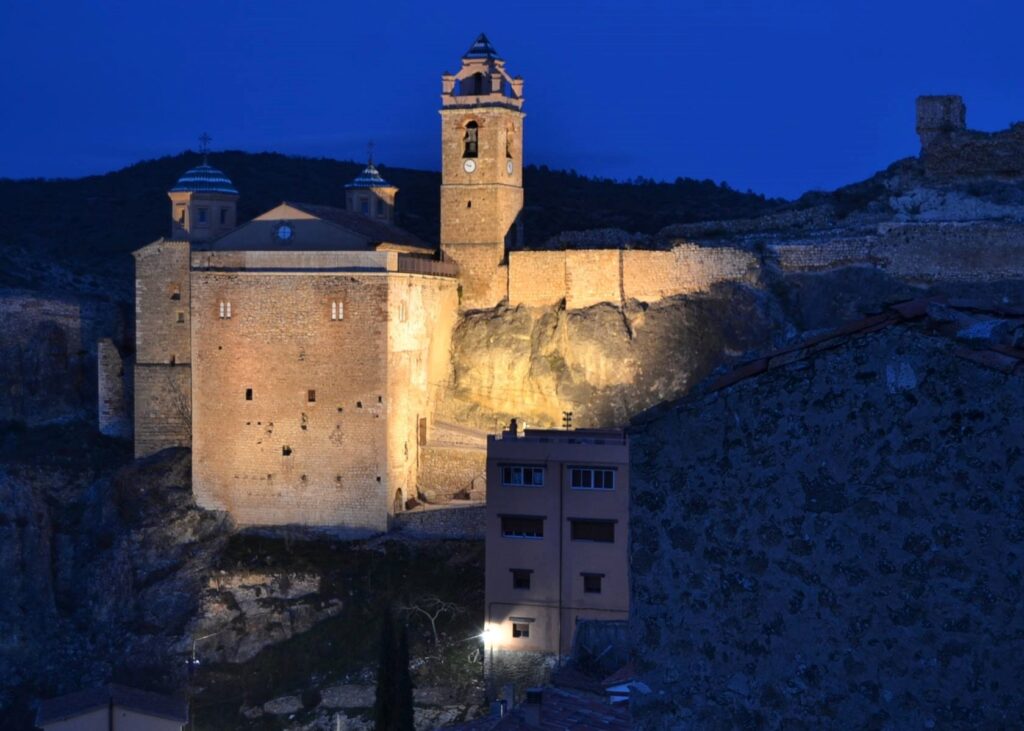
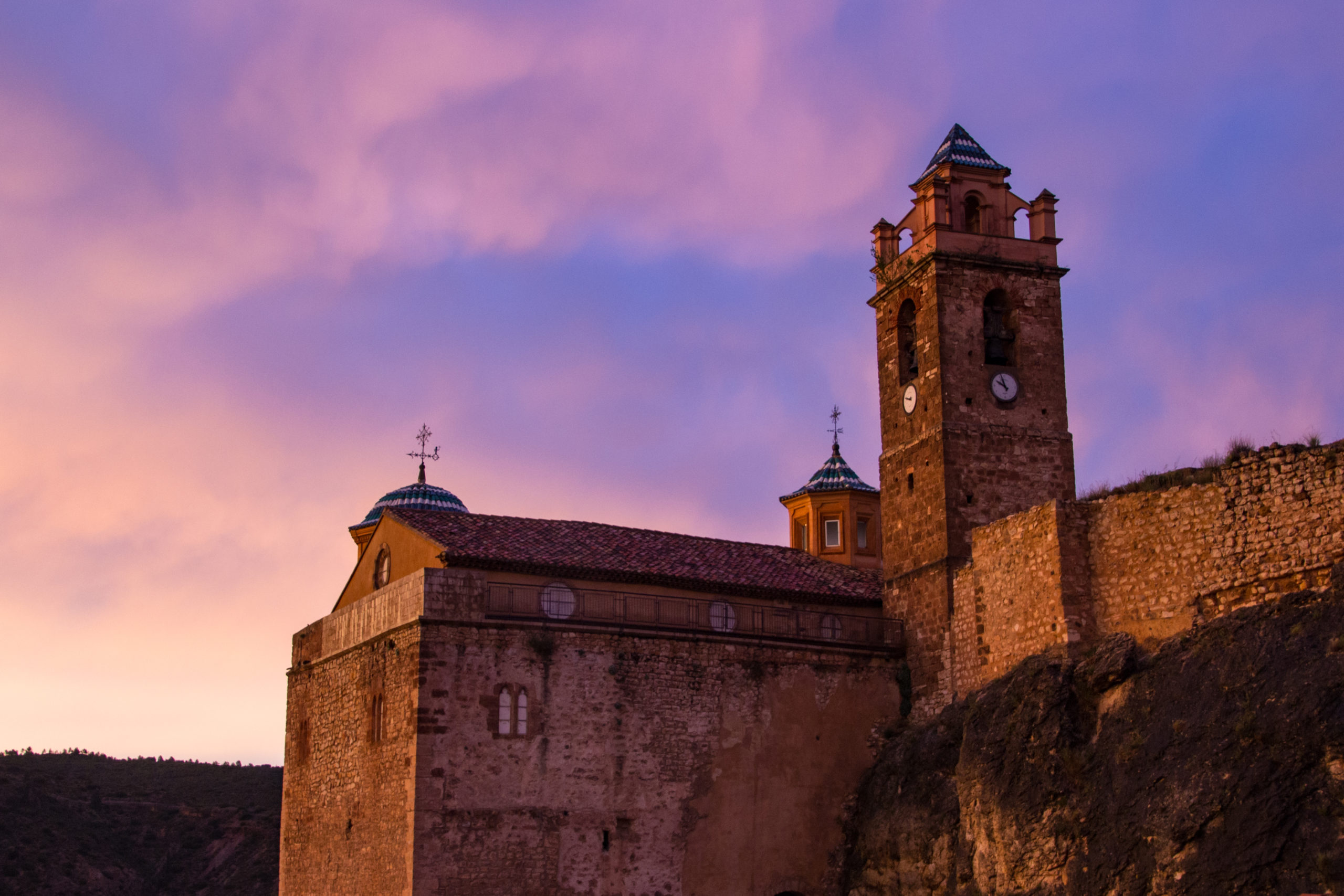
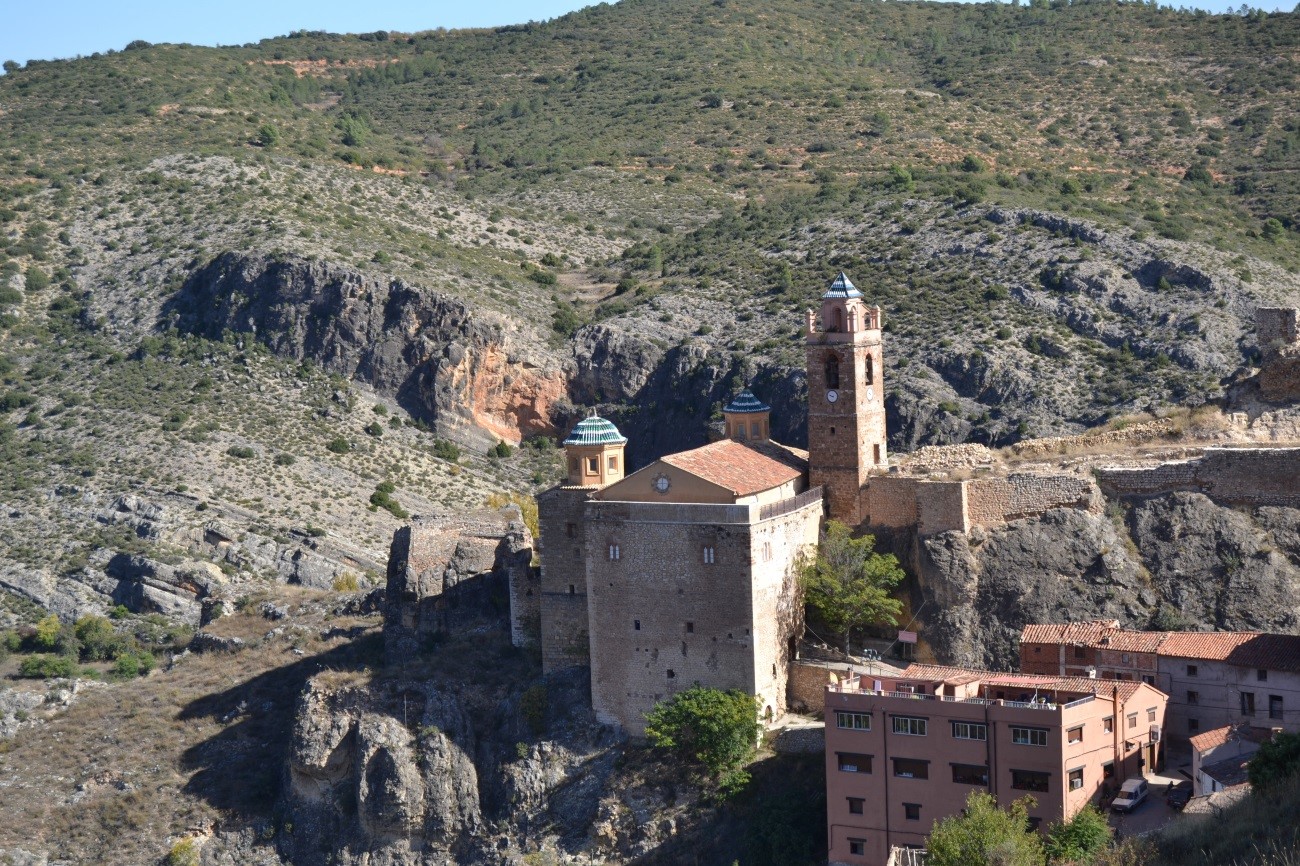
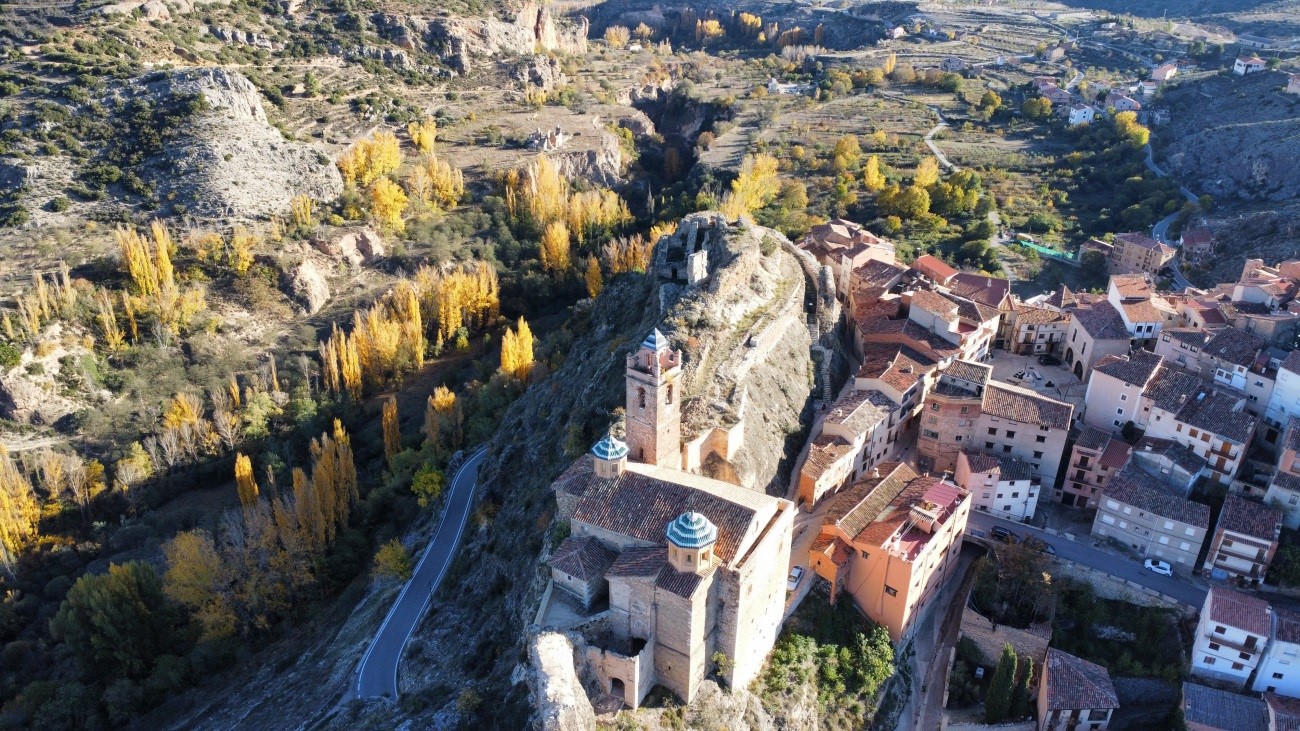
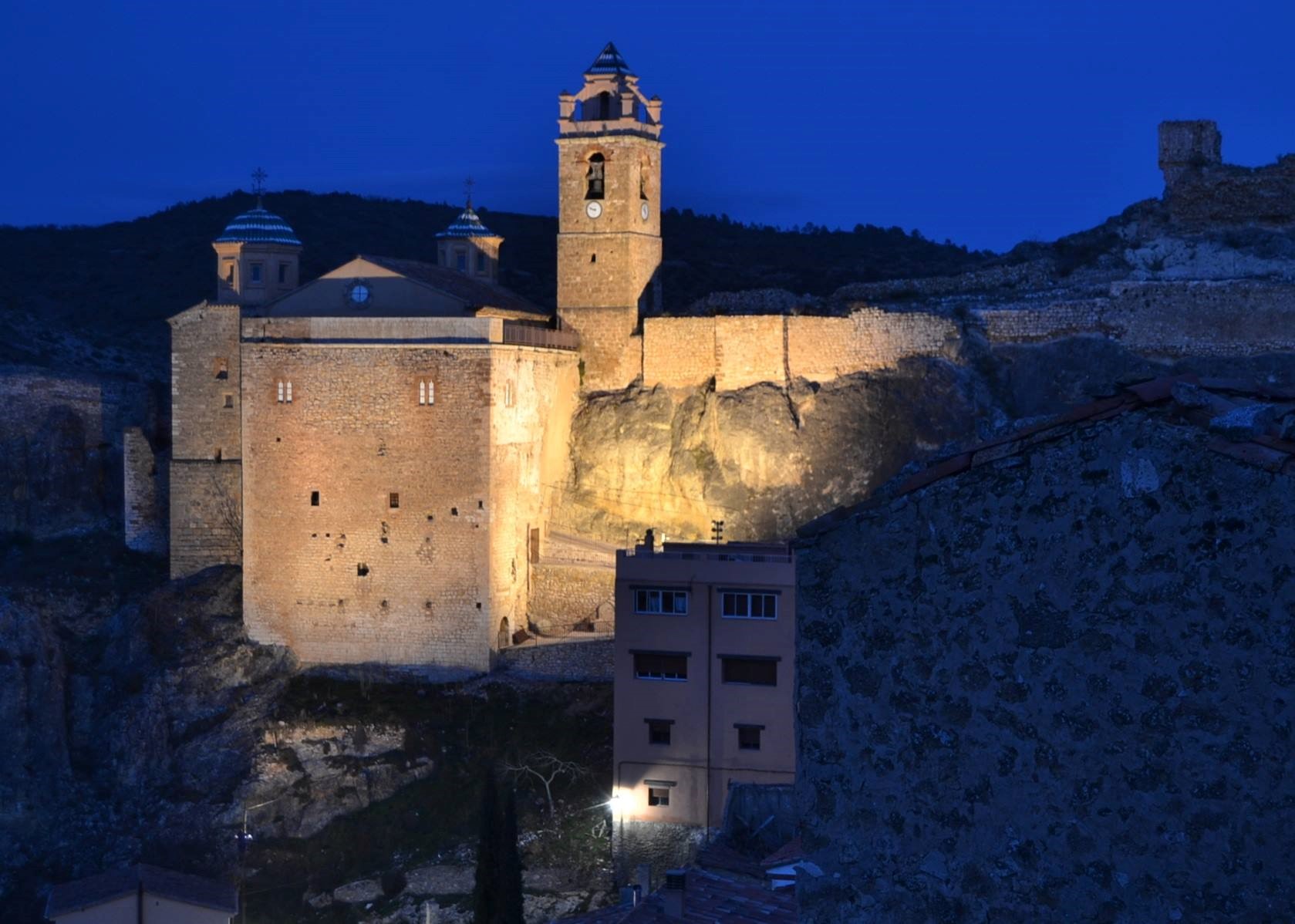
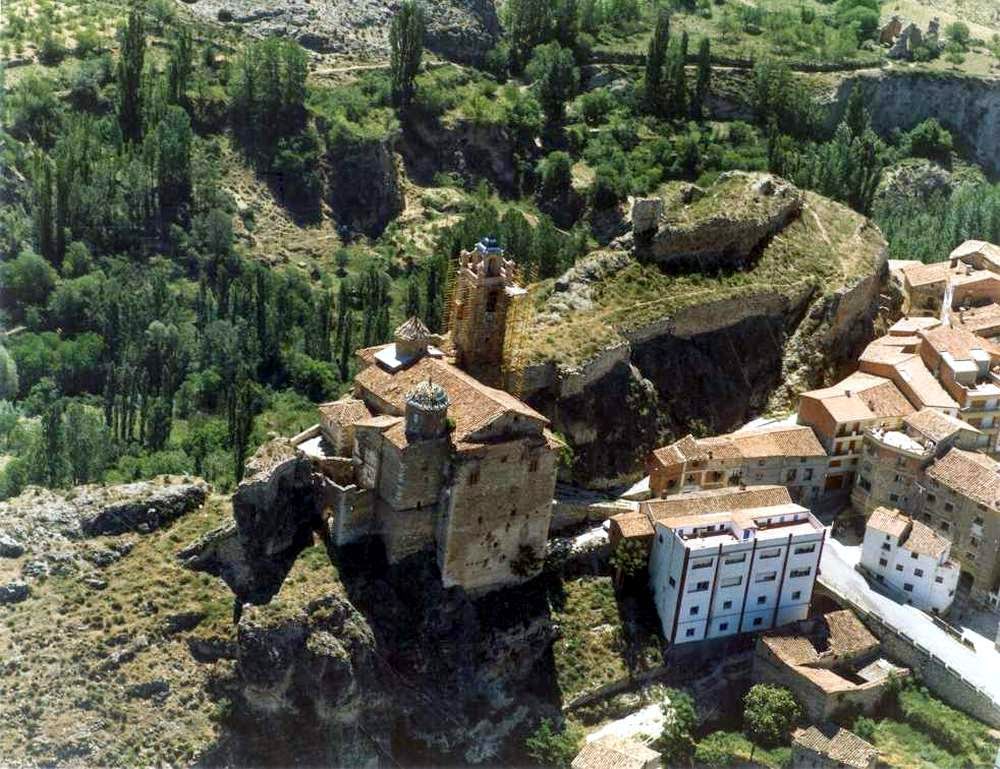
This fortress-church, declared a Site of Cultural Interest, is a prime example of Gothic and Renaissance art. Its Gothic murals and detached 14th-century bell tower are a delight for art and history lovers.
Convent of San Guillermo
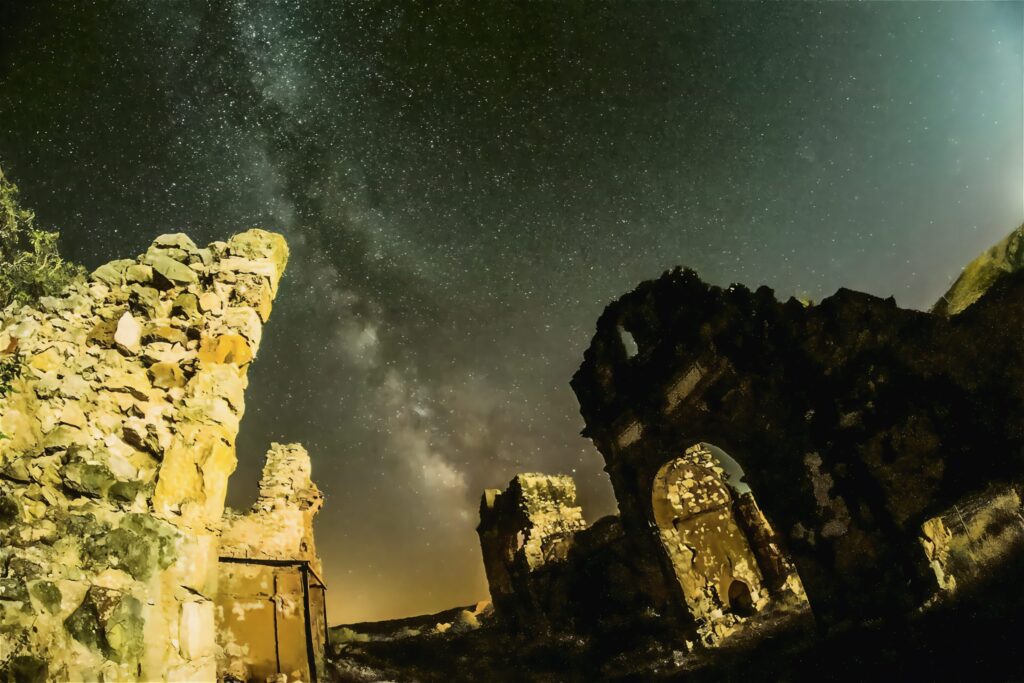
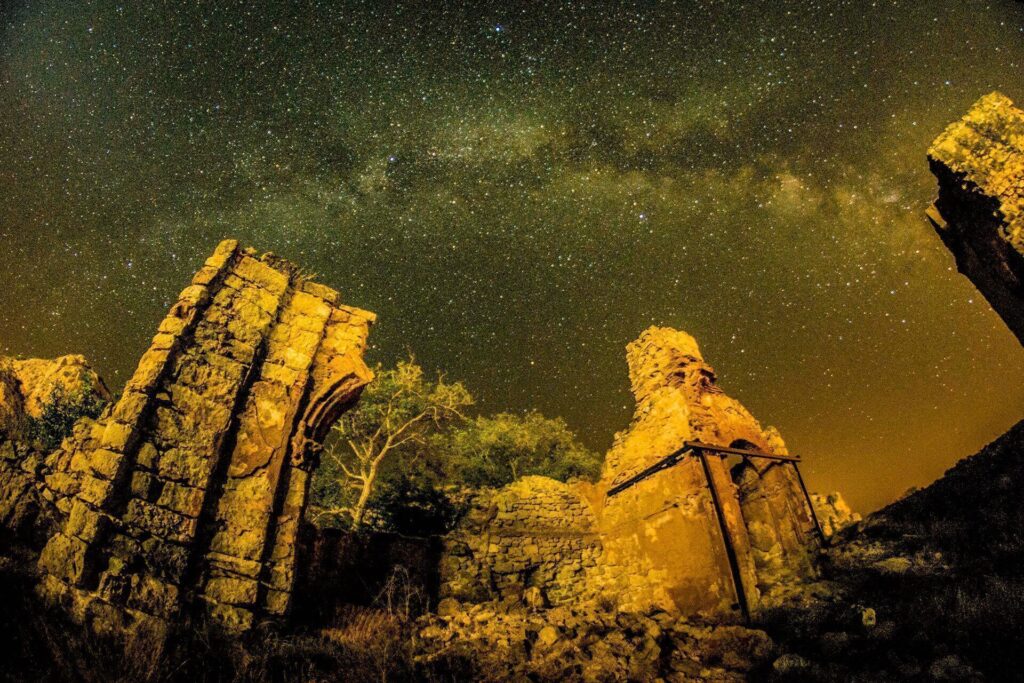
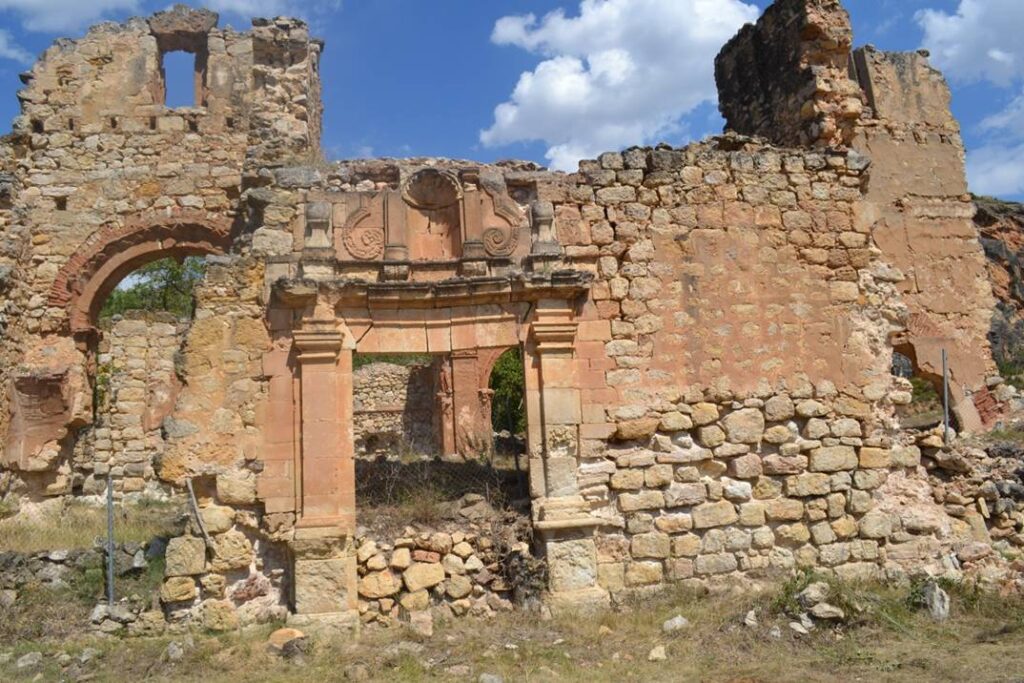
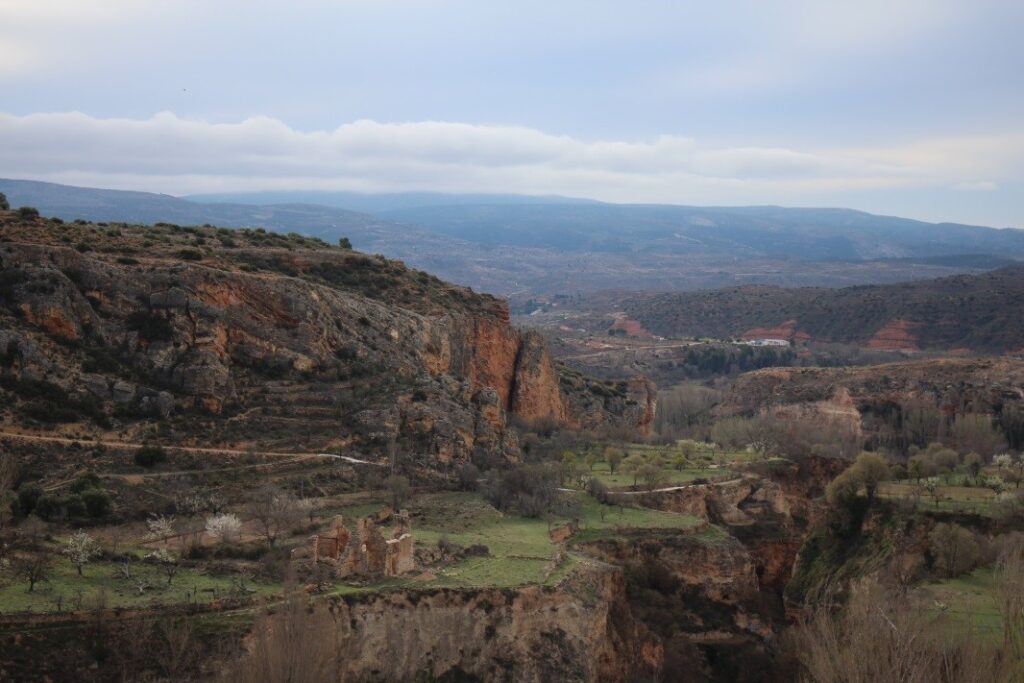
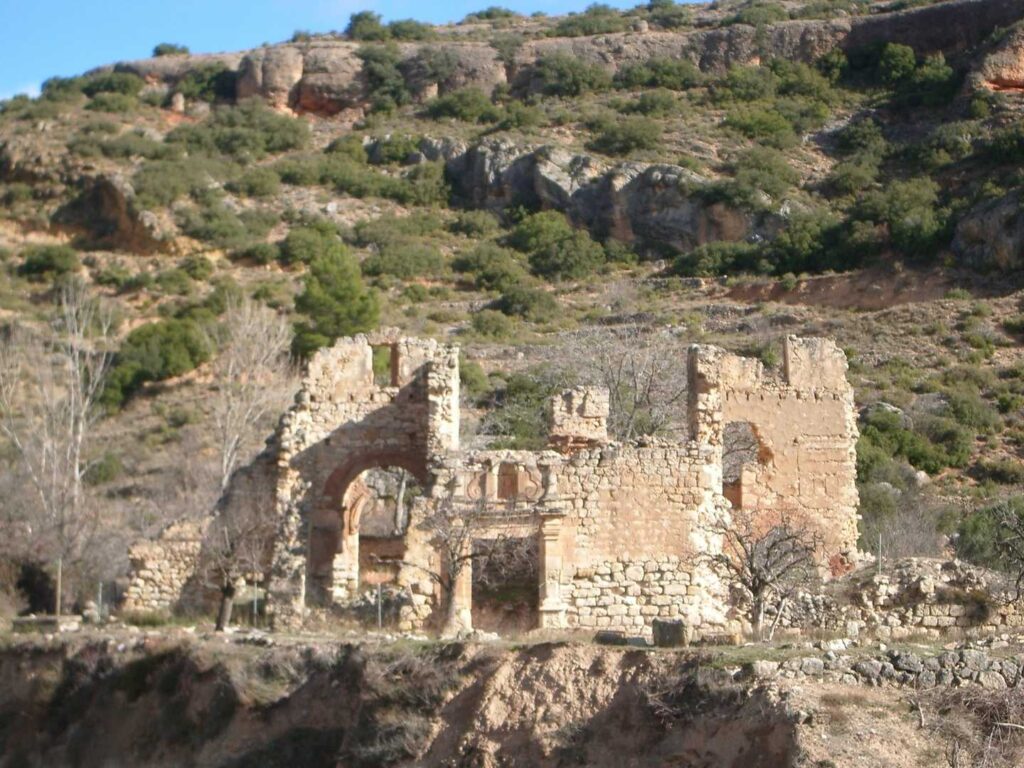
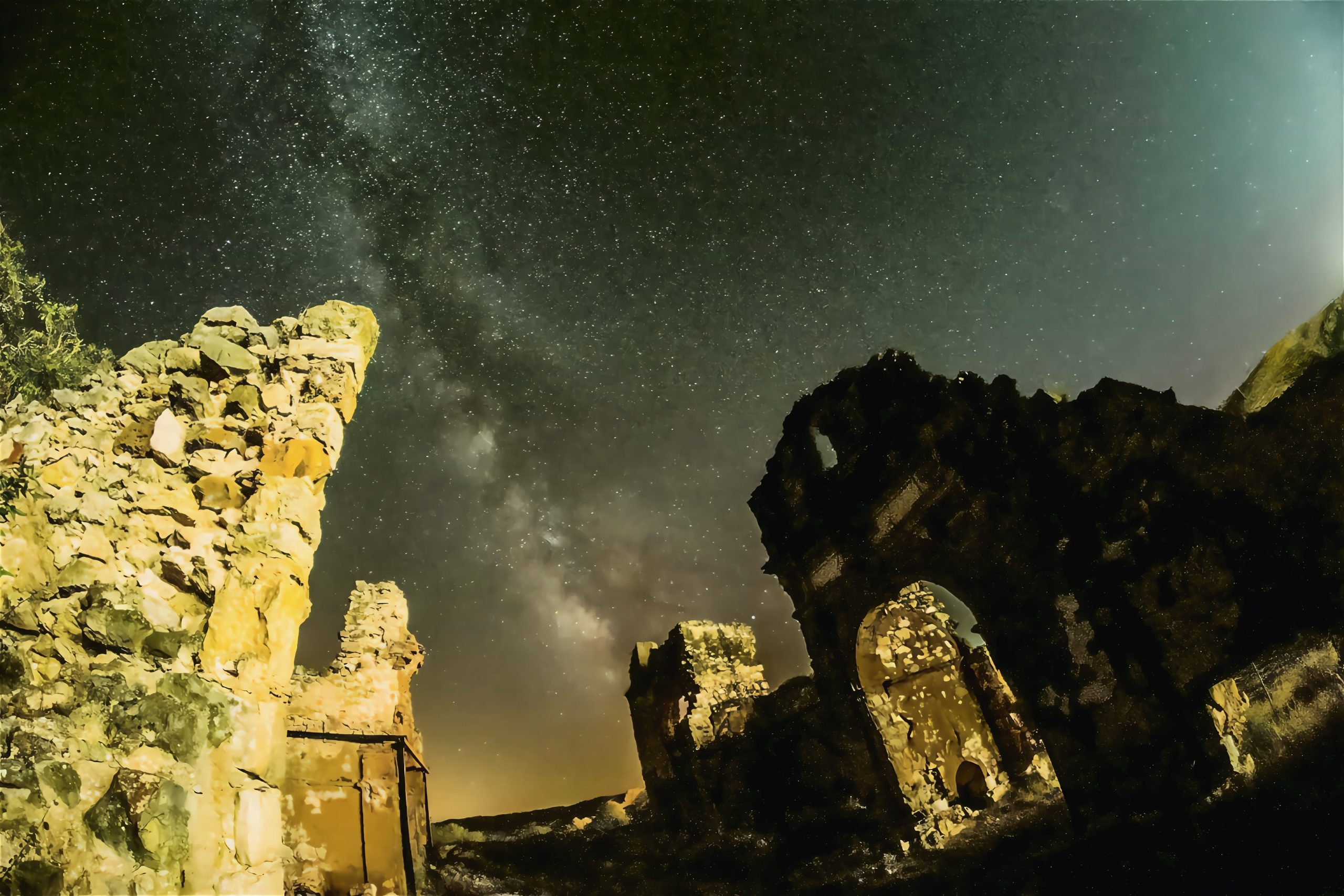
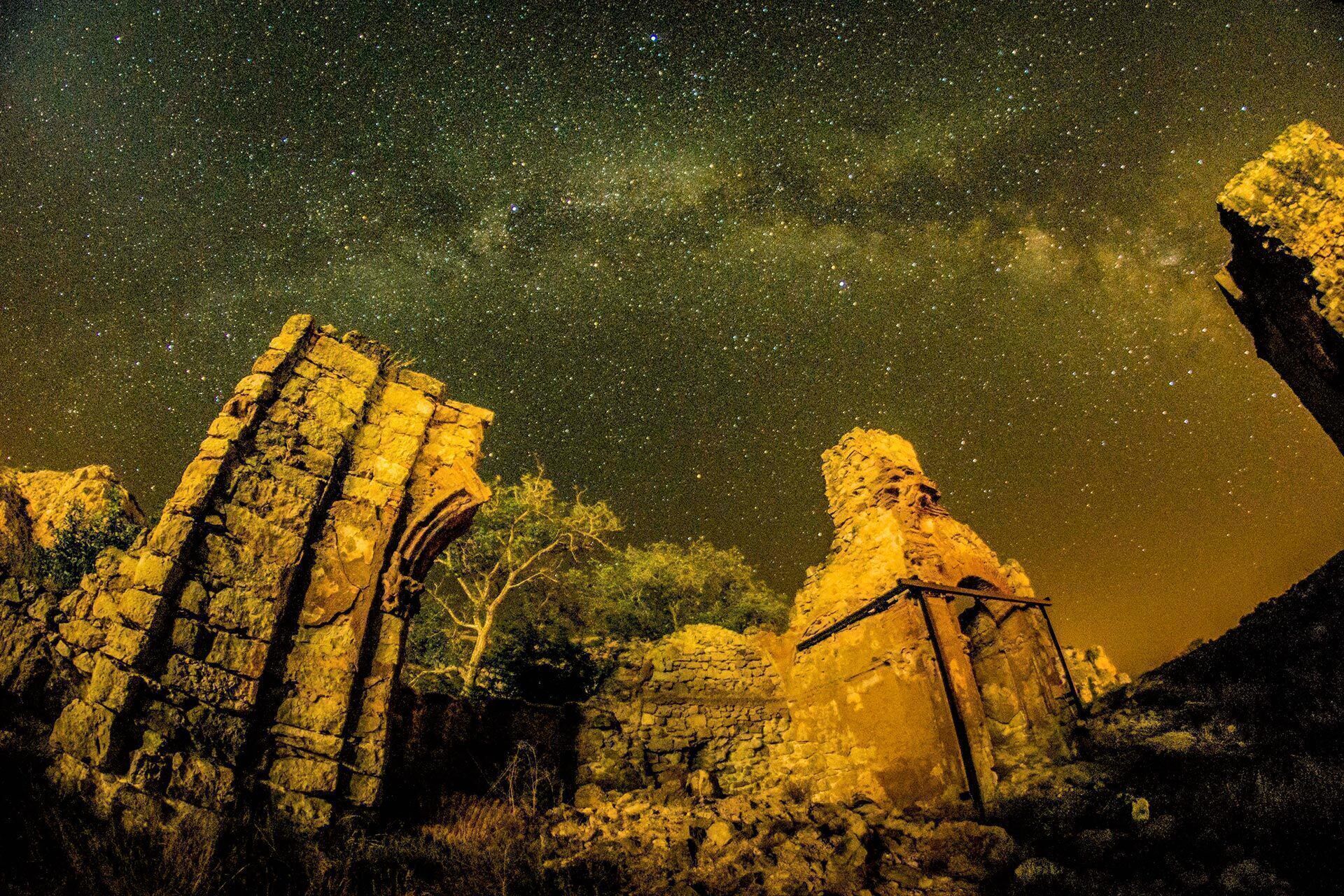
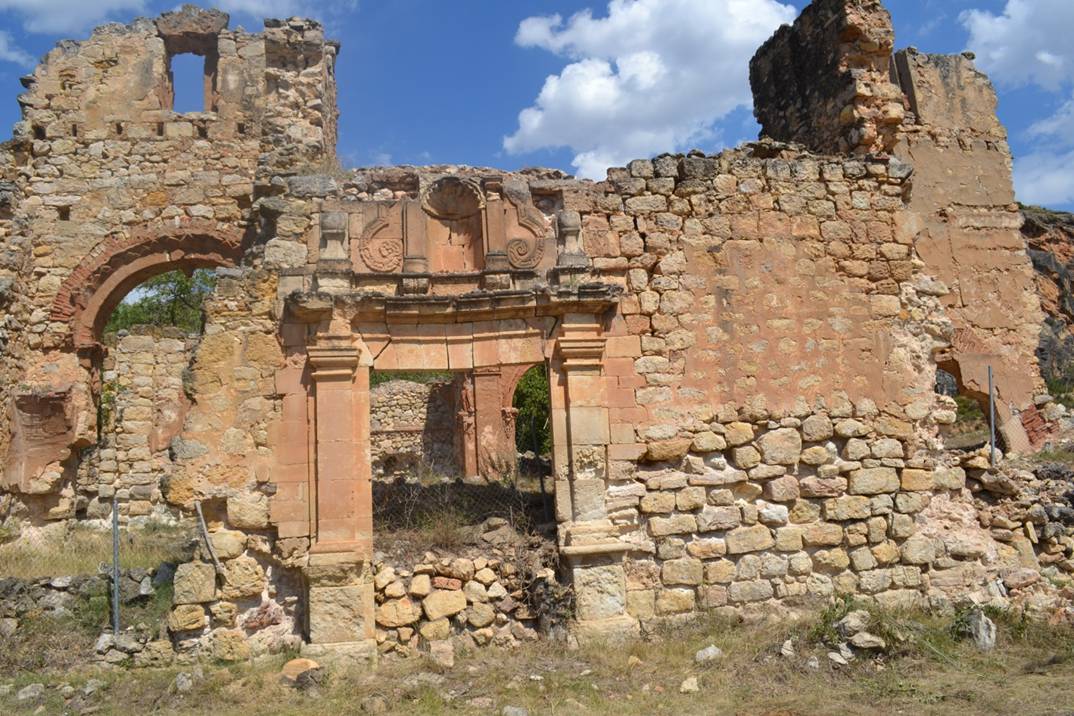
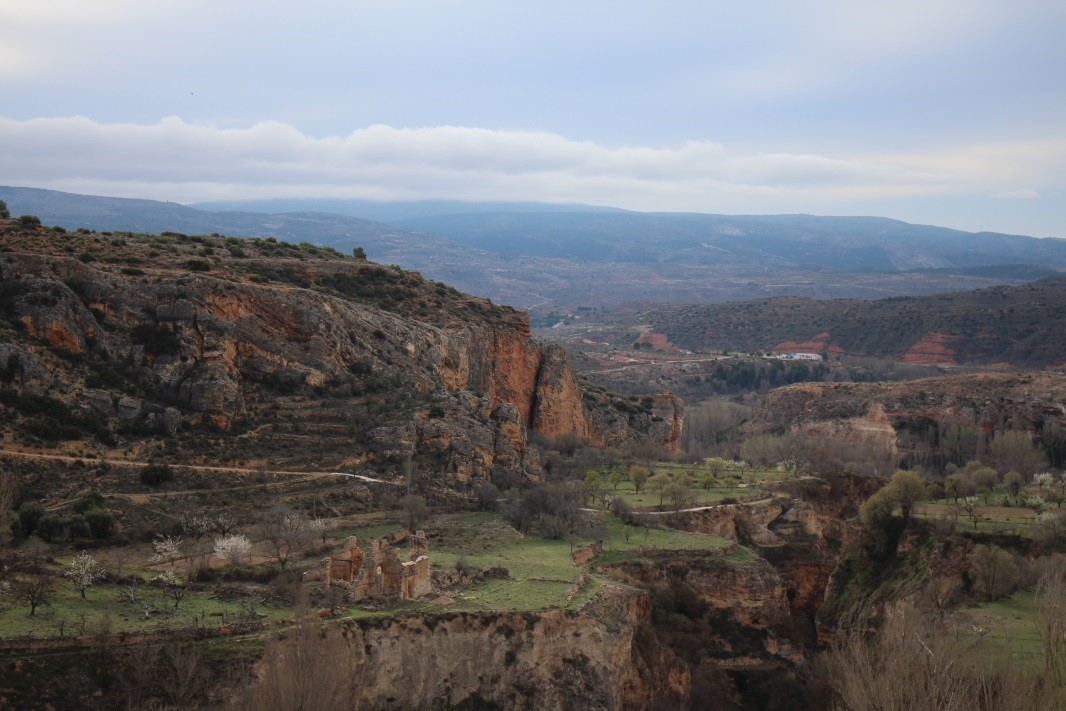
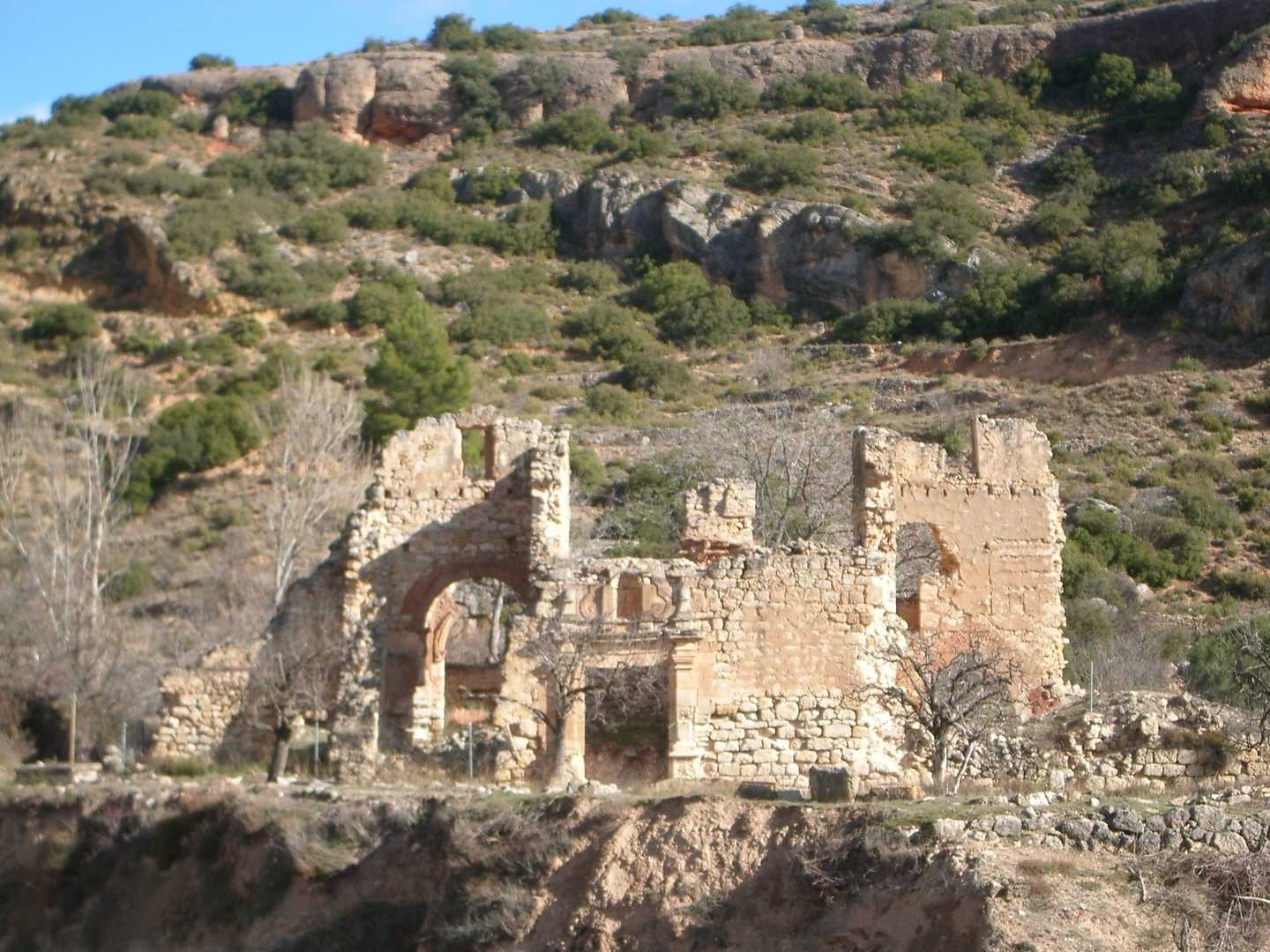
With a history dating back to the 14th century, this convent was an important religious center occupied by various orders, such as the Augustinians and Franciscans. Although in ruins, it retains its historical essence.
Virgen de Gracia Chapel
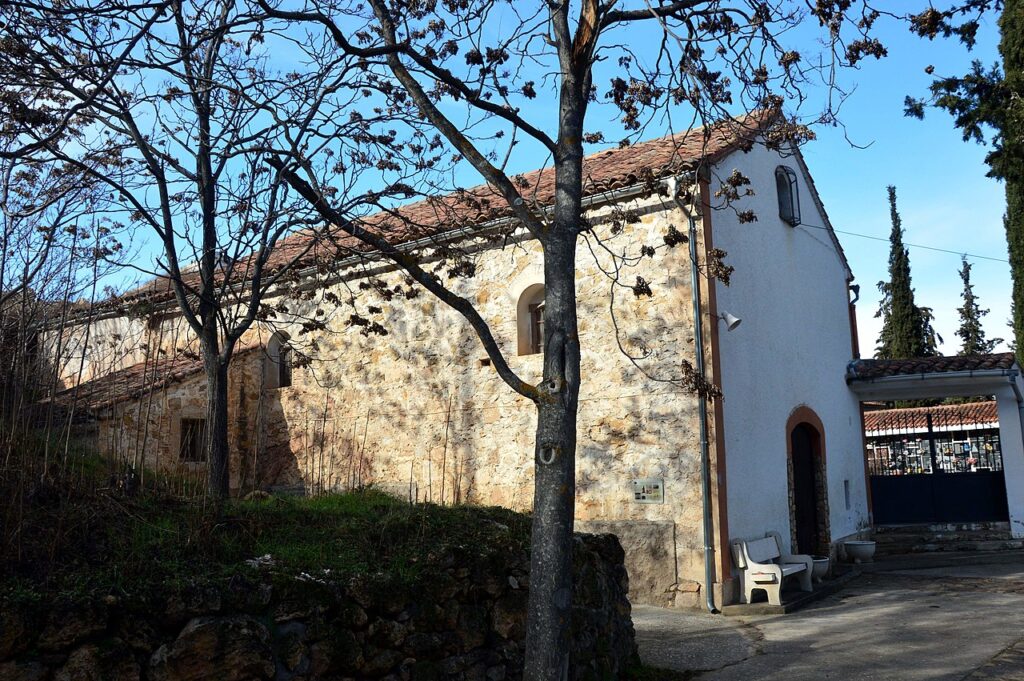
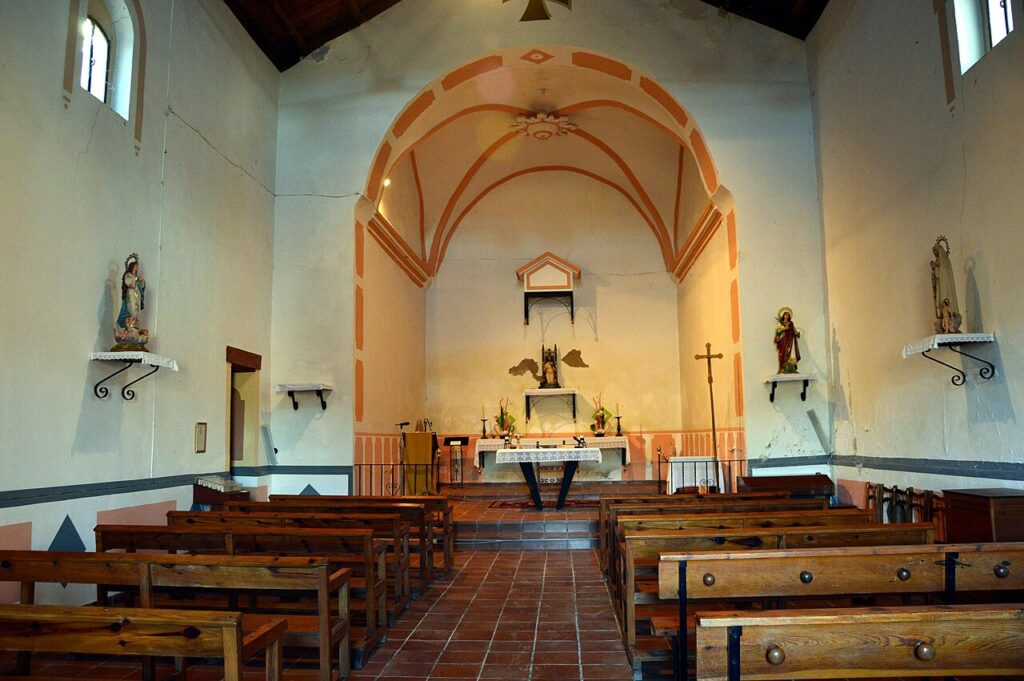
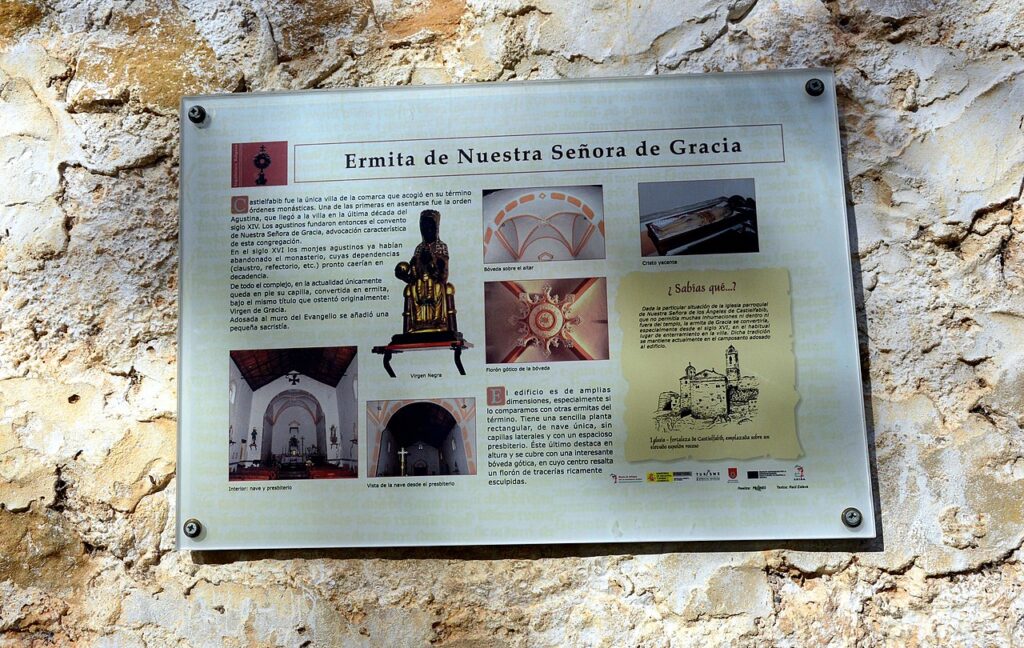
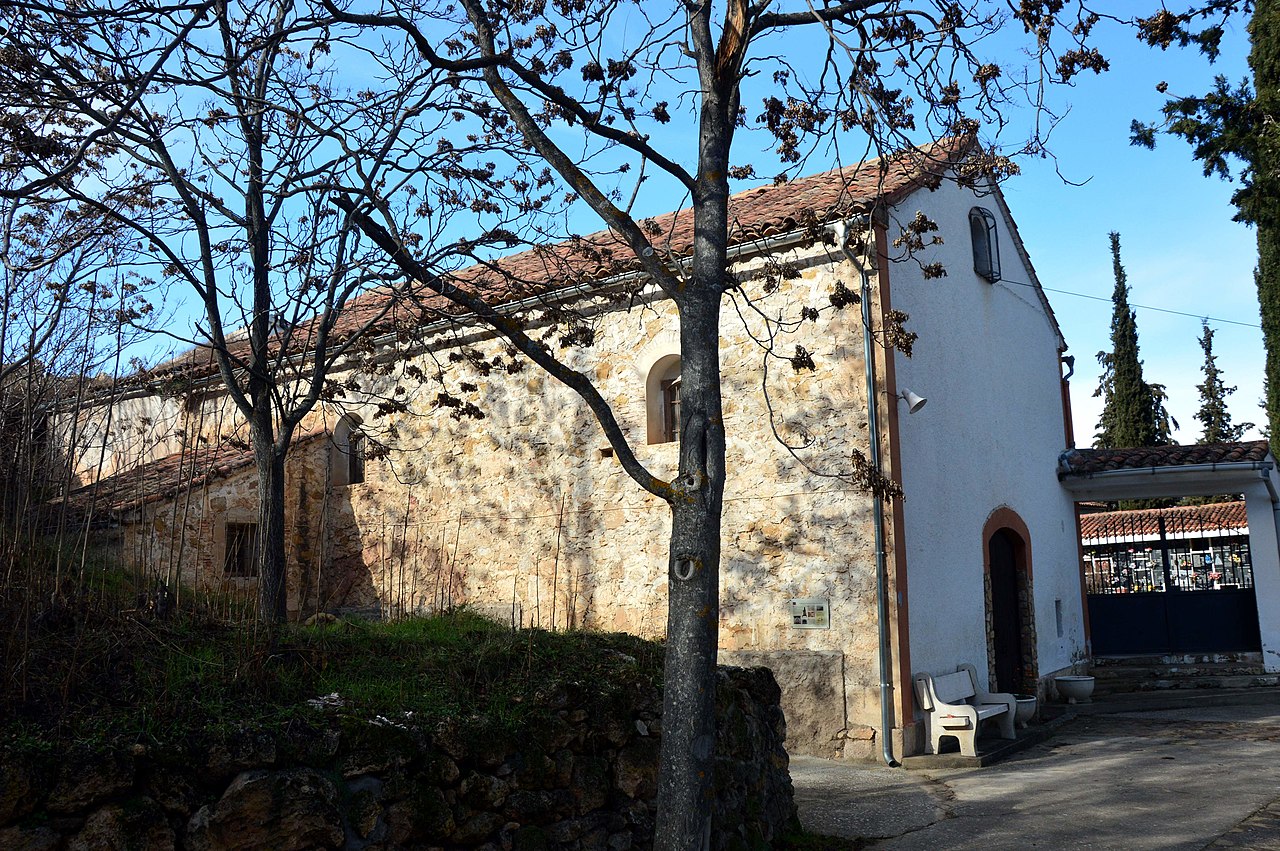
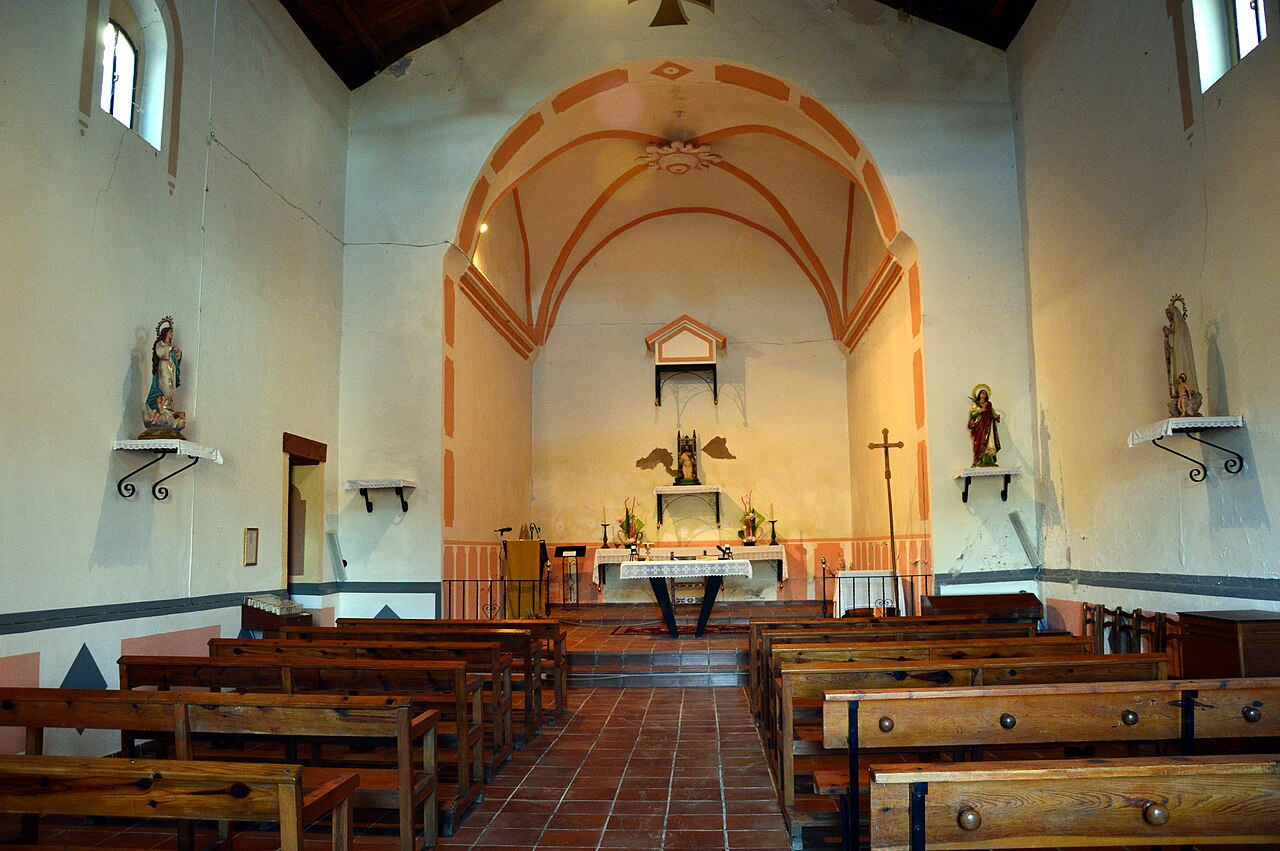
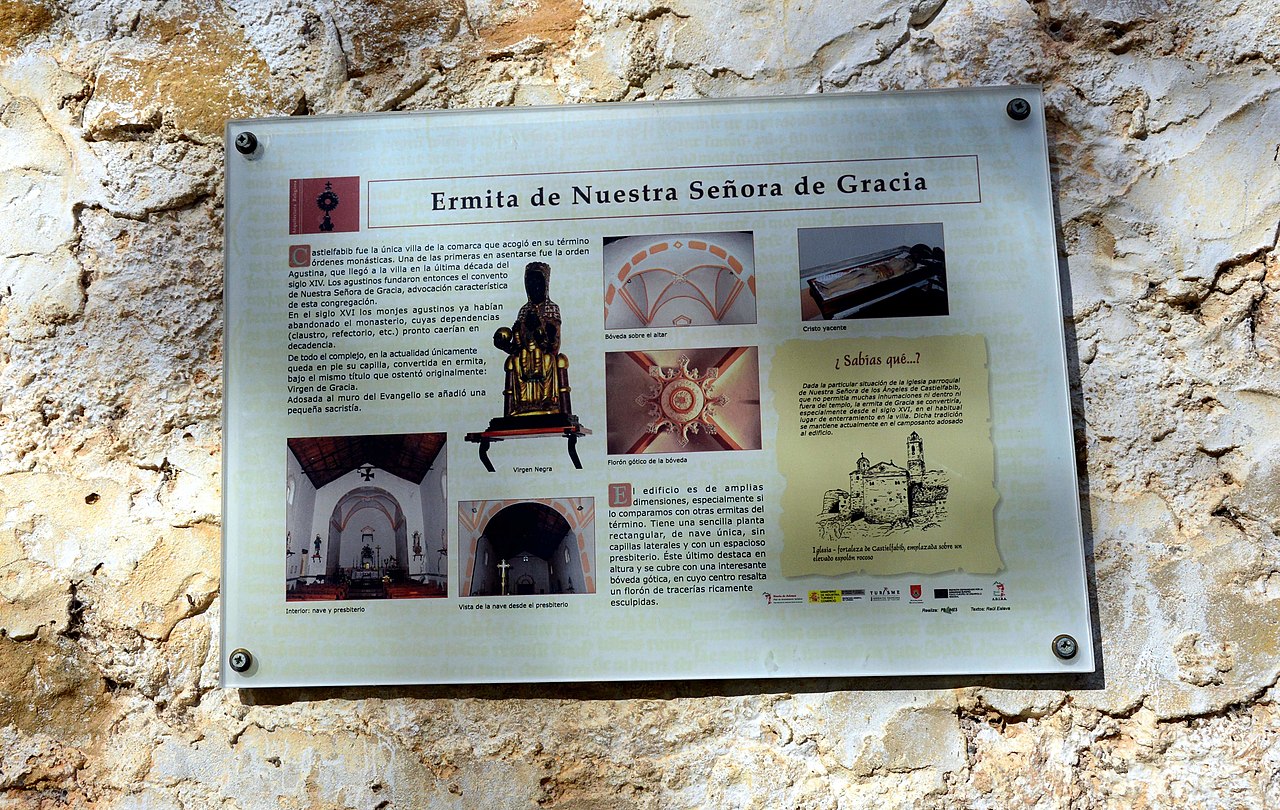
Dating from the 14th century, this Gothic chapel, now used as the cemetery chapel, stands out for its simplicity and historical value. It is recognized as a Site of Local Interest.
Hermitage of the Immaculate Conception (Cuesta del Rato)
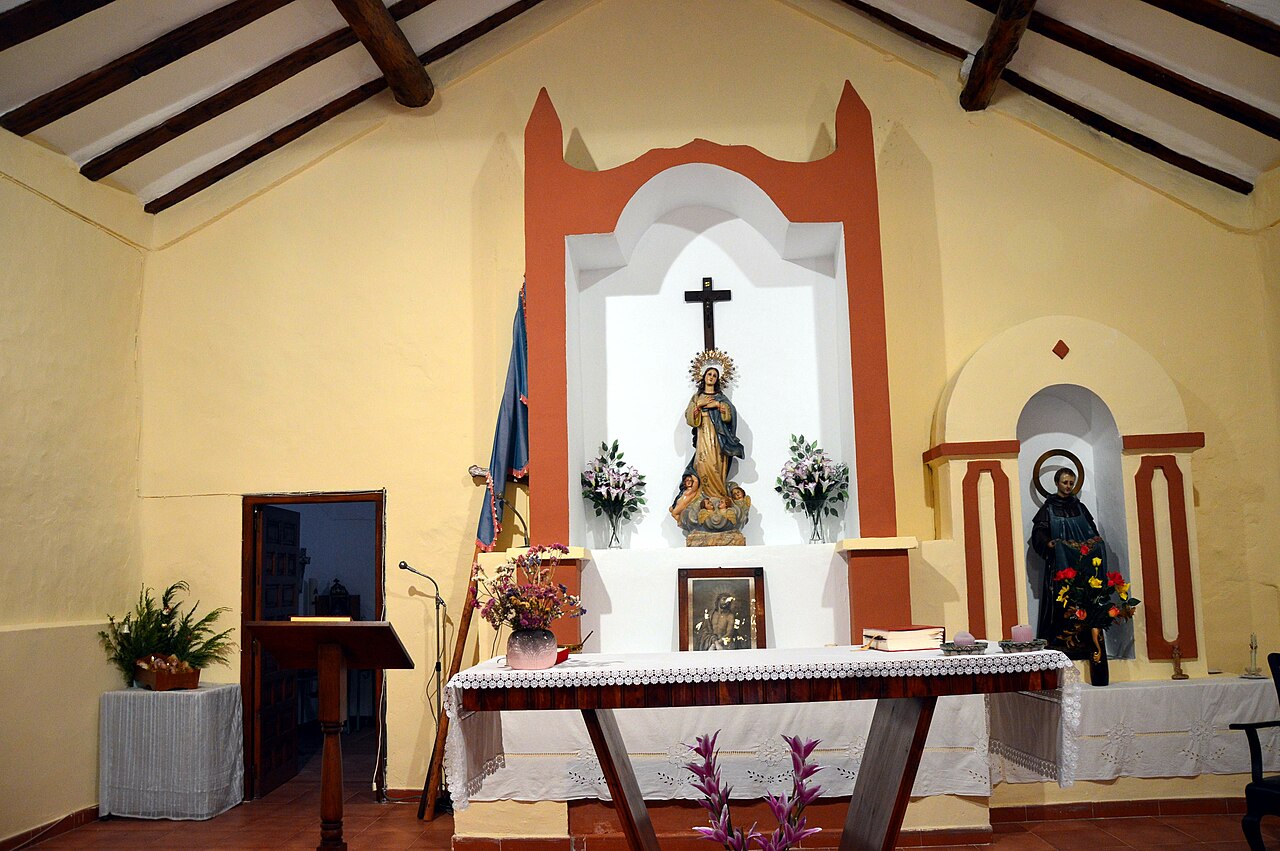
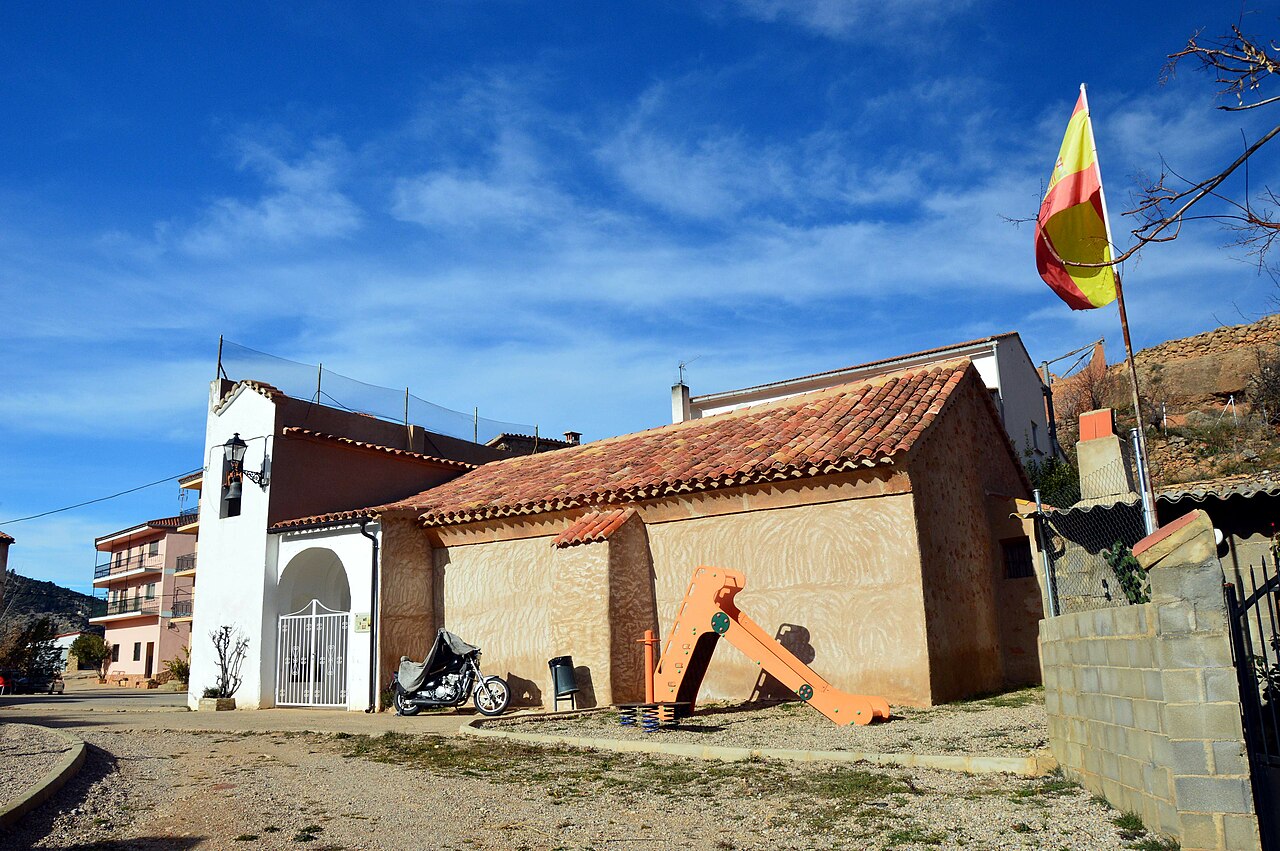
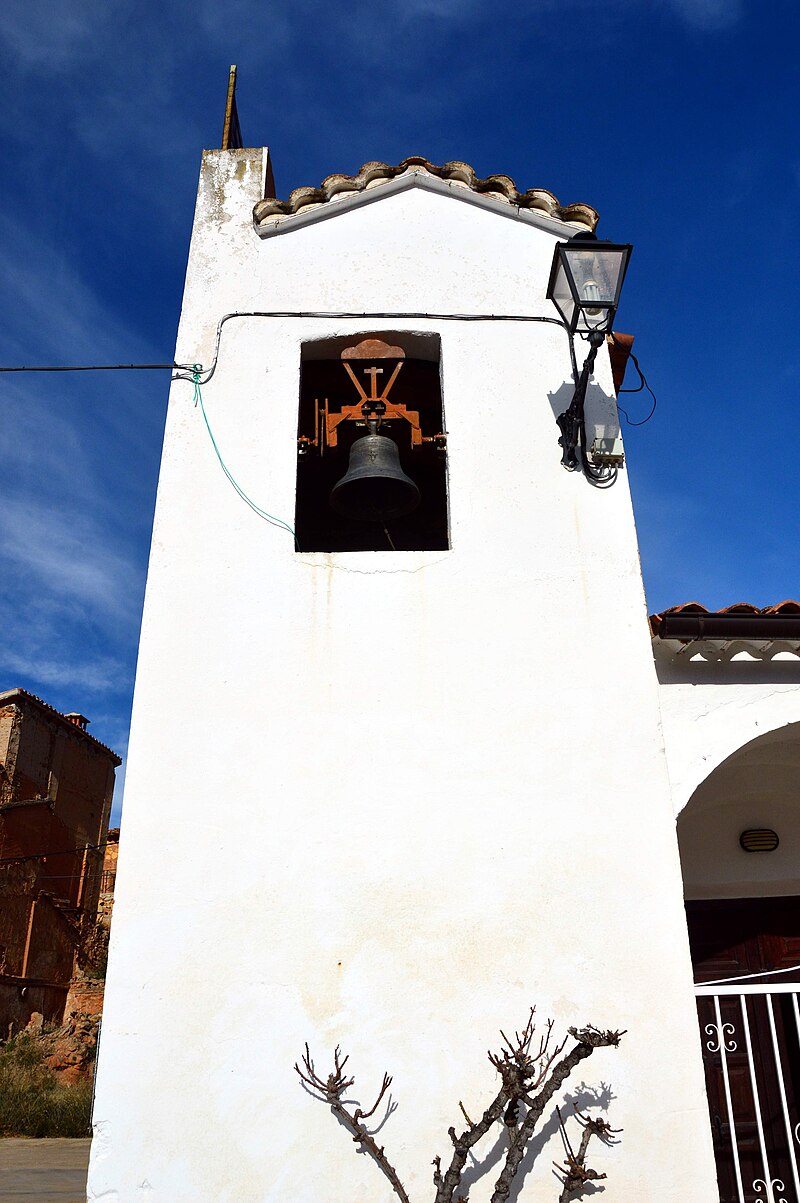
Originally built as the "Hermitage of San Diego," it begins to be documented from the 18th century onwards. Due to its proximity and various indications, it is linked to the Convent of San Guillermo de Castielfabib.
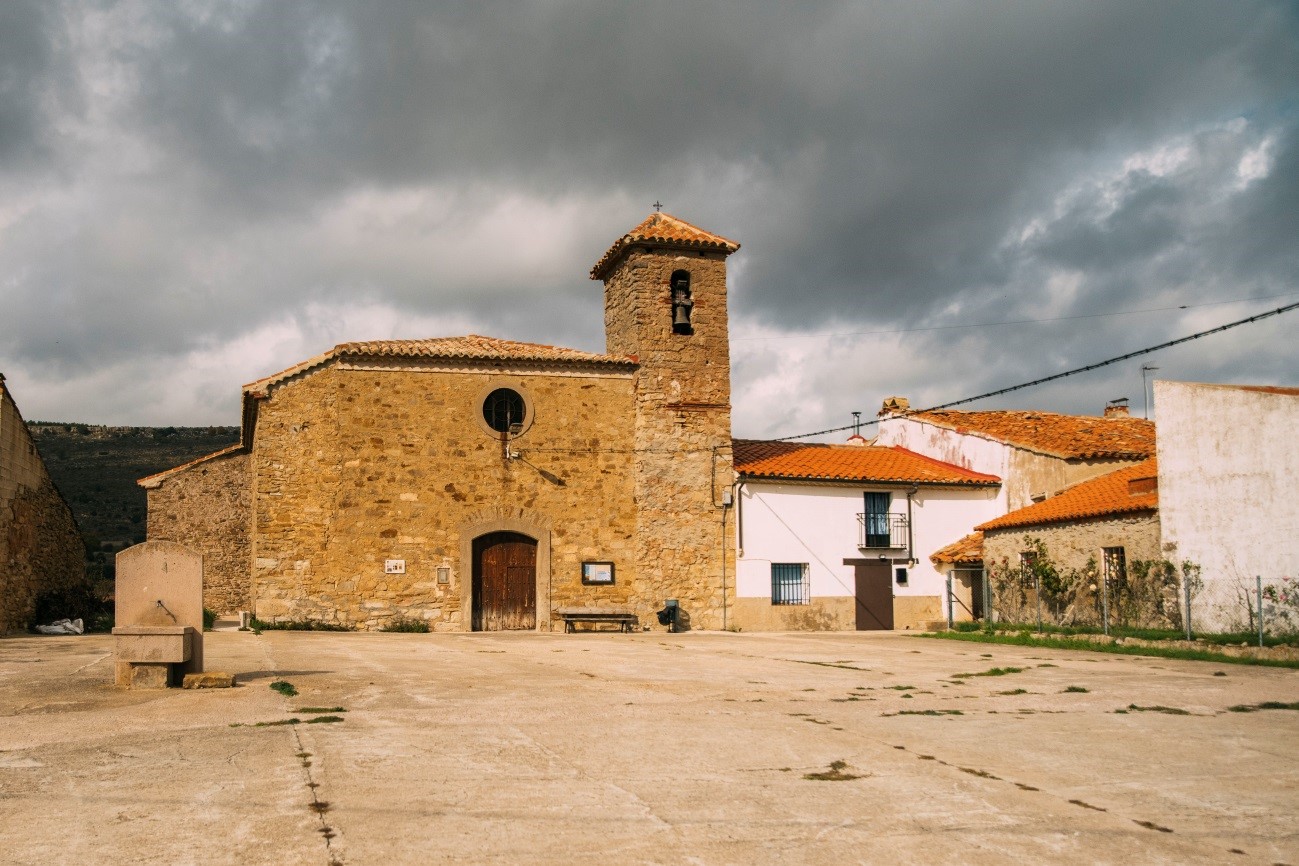
Hermitage of San Sebastián (Mas de Jacinto)
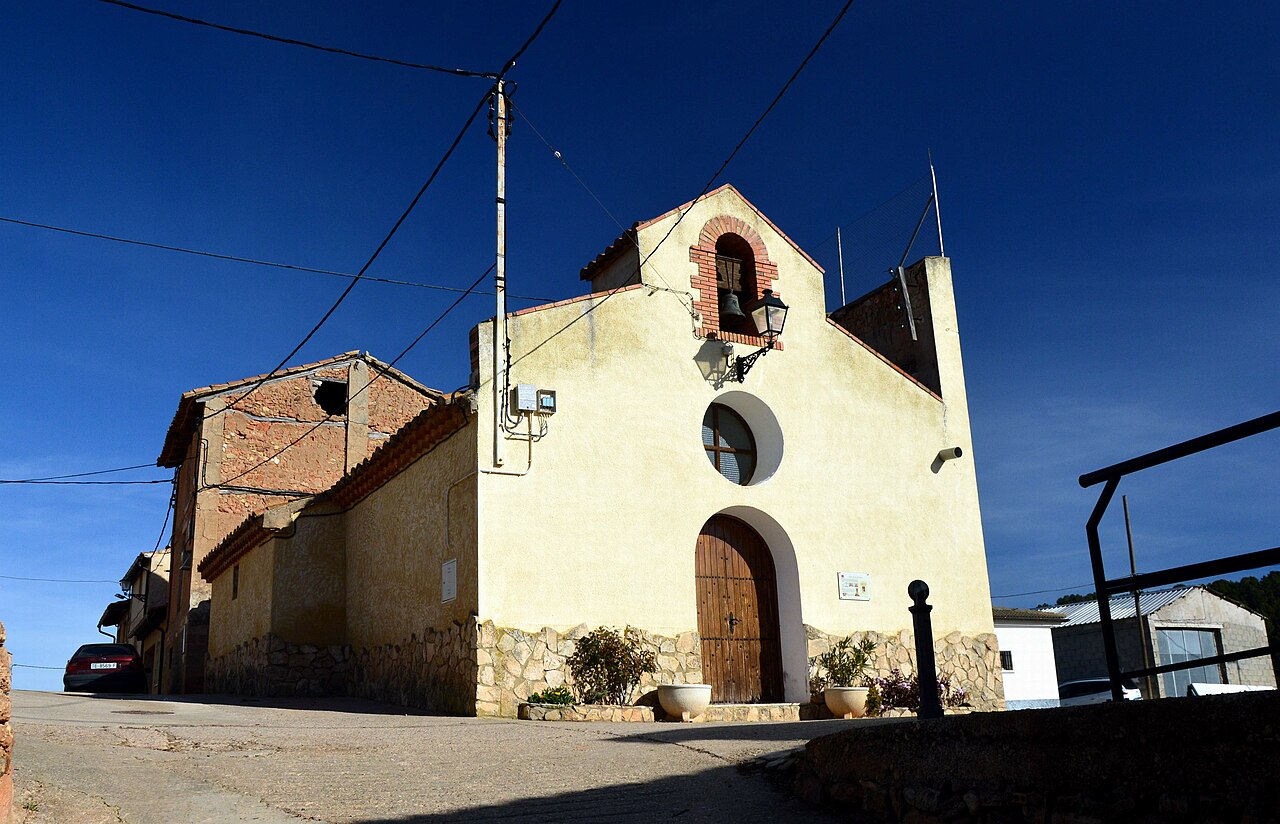
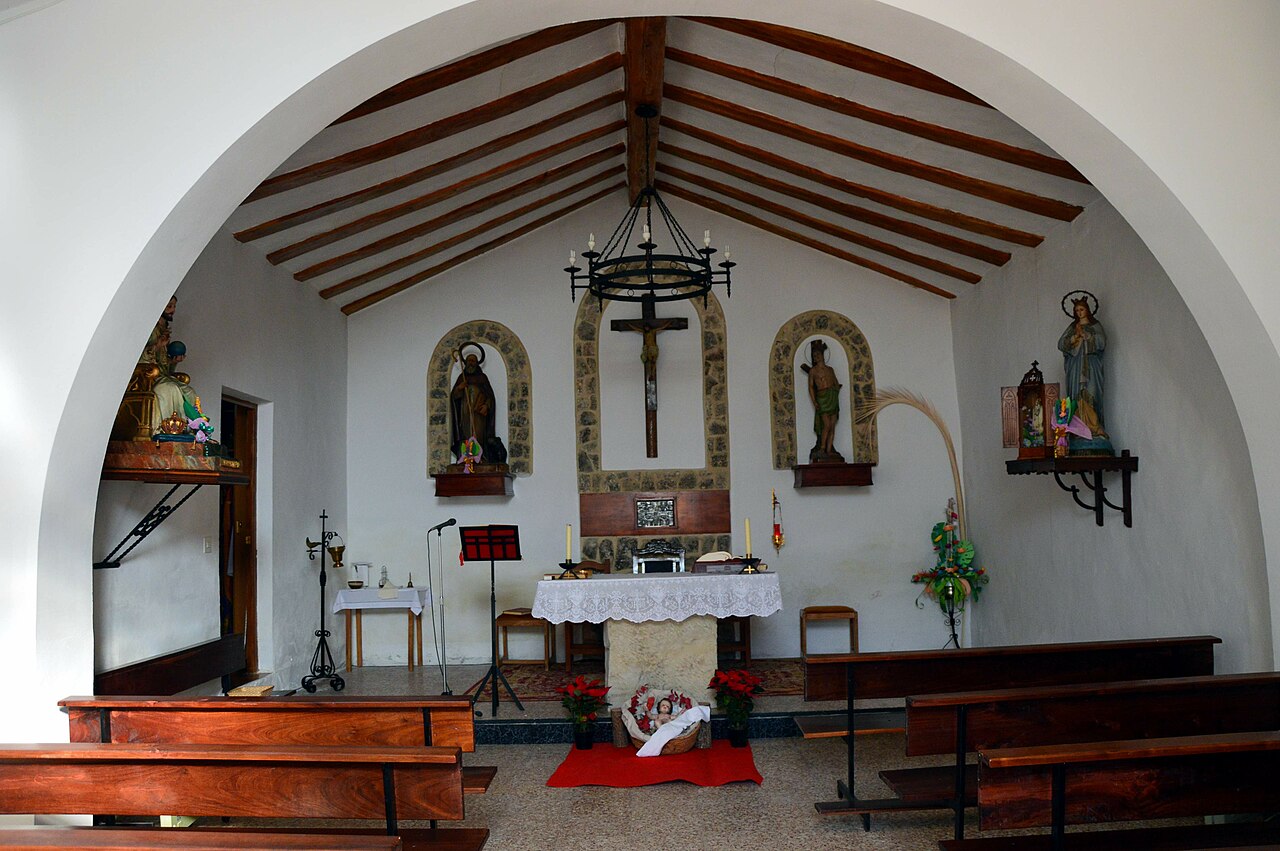
A humble building constructed of masonry with a gabled roof. Inside, a wooden cross stands out, which tradition says came from the Garden of Olives.
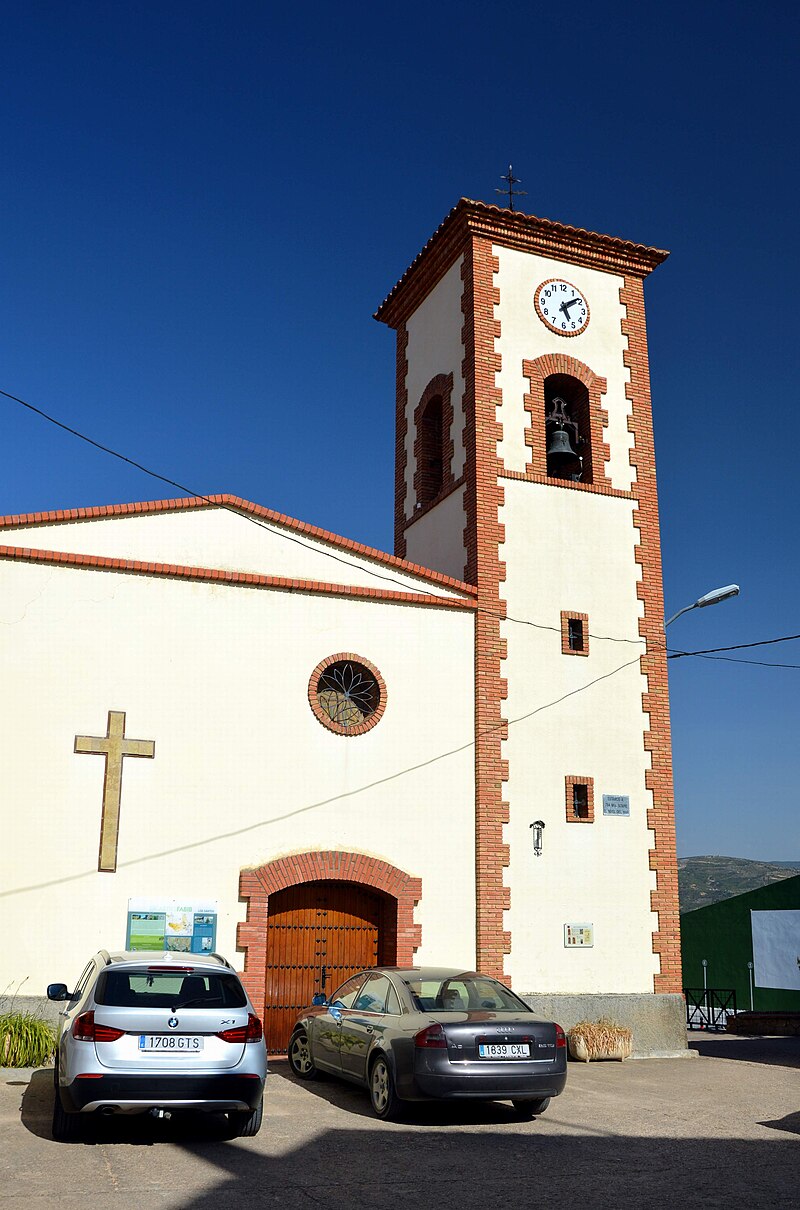
Church of Saint Joachim and Saint Anne (Arroyo Cerezo)
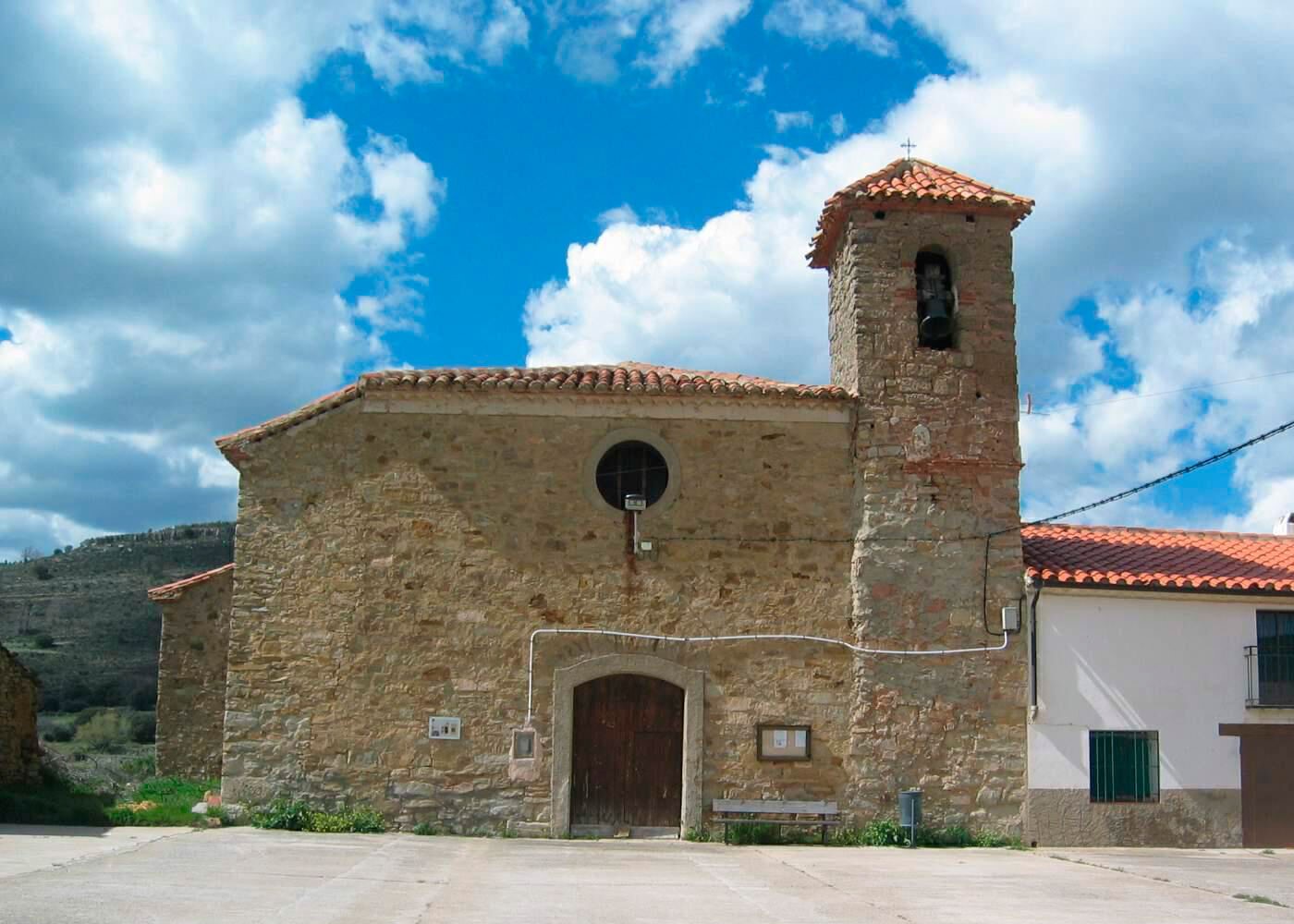
Parish church of Arroyo Cerezo, village of Castielfabib. The building is located in the "middle quarter", properly of the Church, and is listed as a Locally Relevant Asset.
Hermitage of San Marcos (Los Santos)
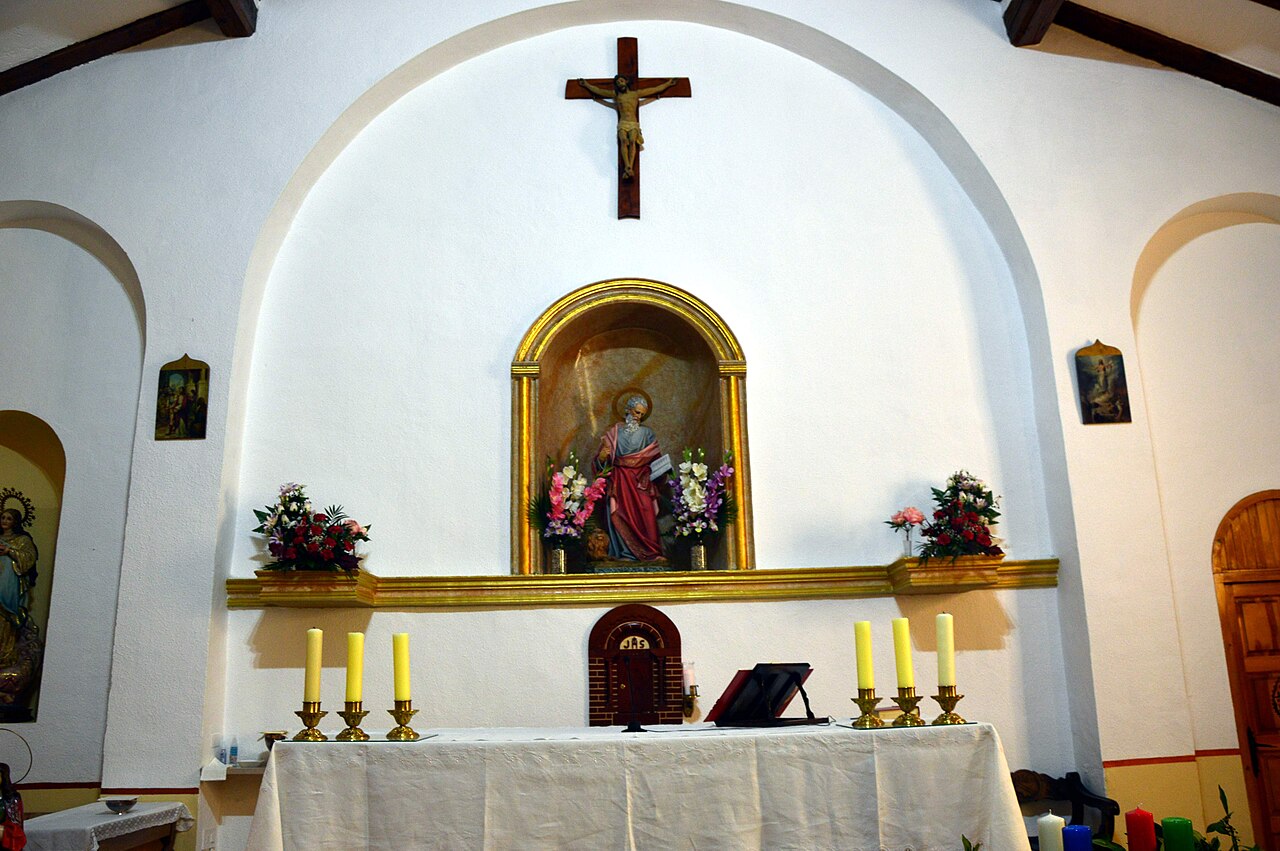
The hermitage dates from the 18th century, although it has been renovated several times, the last one, which gave it its current appearance, taking place in the 1950s.
Archaeological Heritage:
Vestiges of Early Civilisations
The archaeological heritage of Castielfabib allows us to delve into the lives of the ancient cultures that inhabited this land. From cave paintings to Roman fragments, each find tells a part of their history.
Shelter of the Lomas de Abril
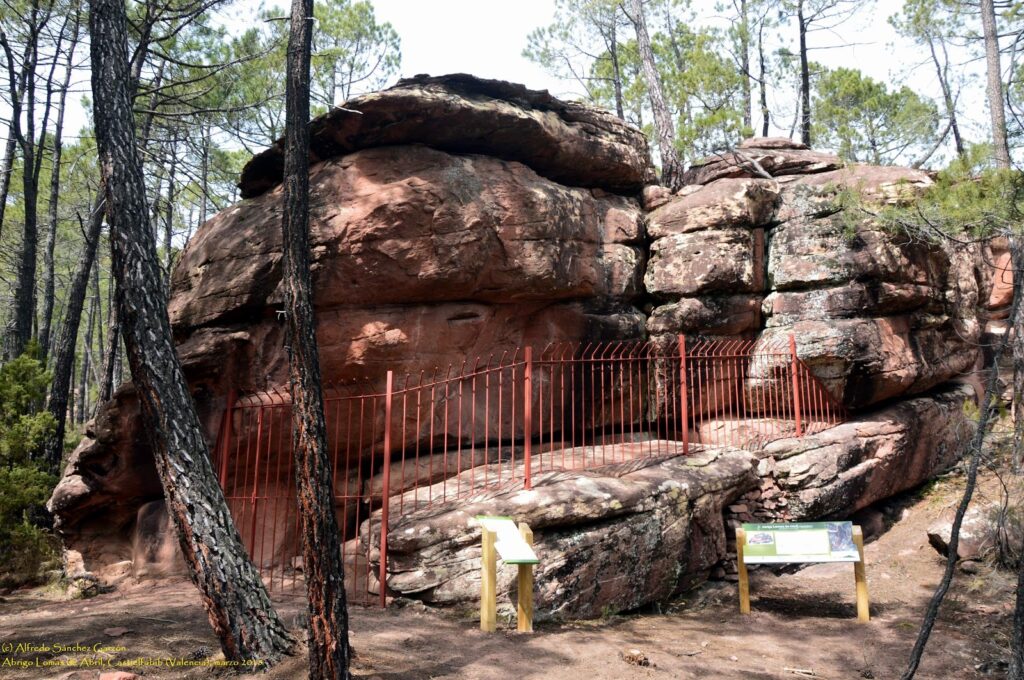
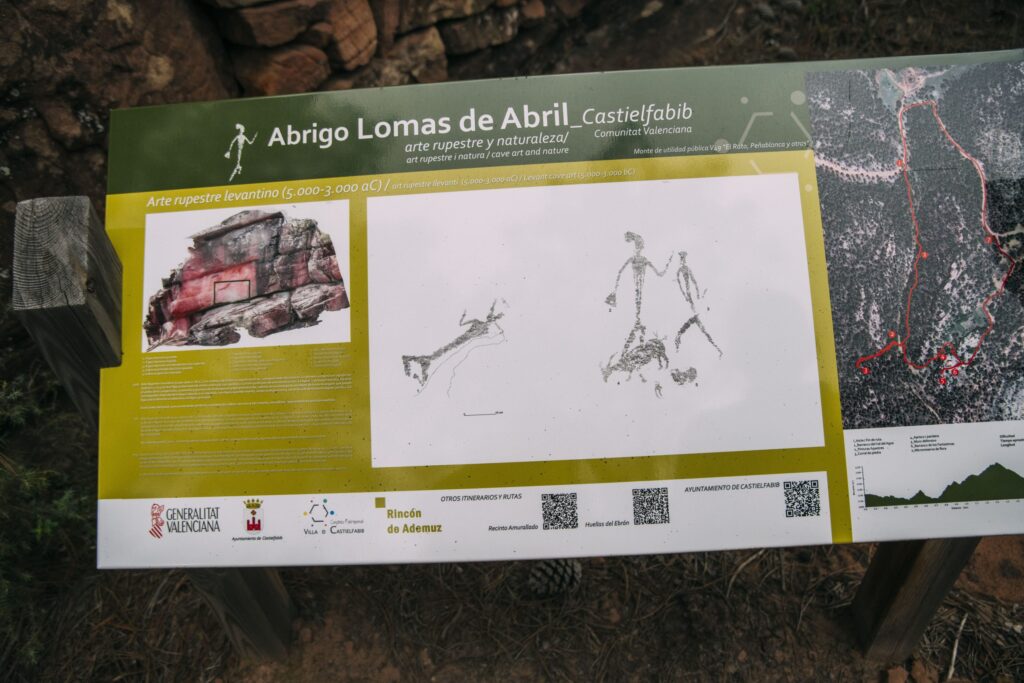
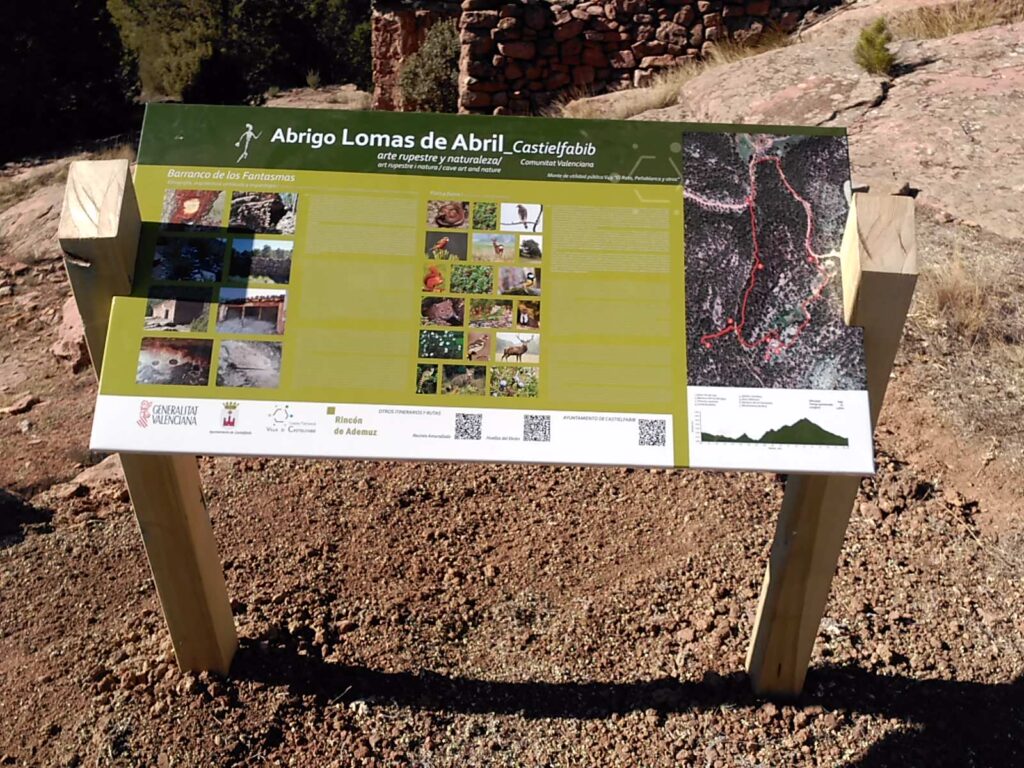
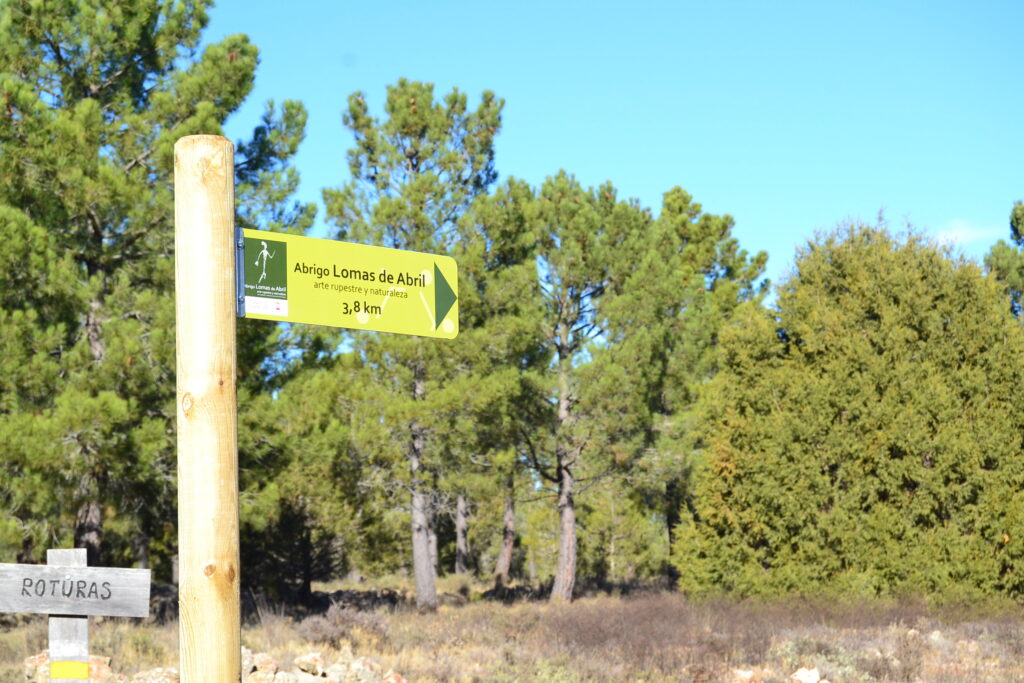
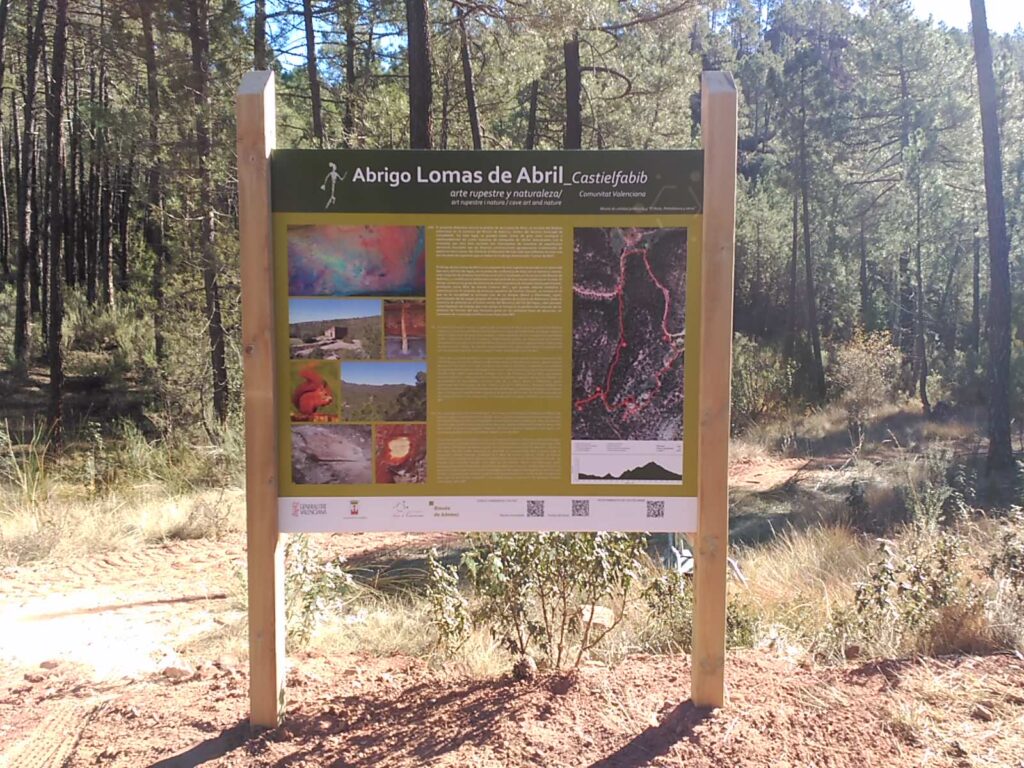
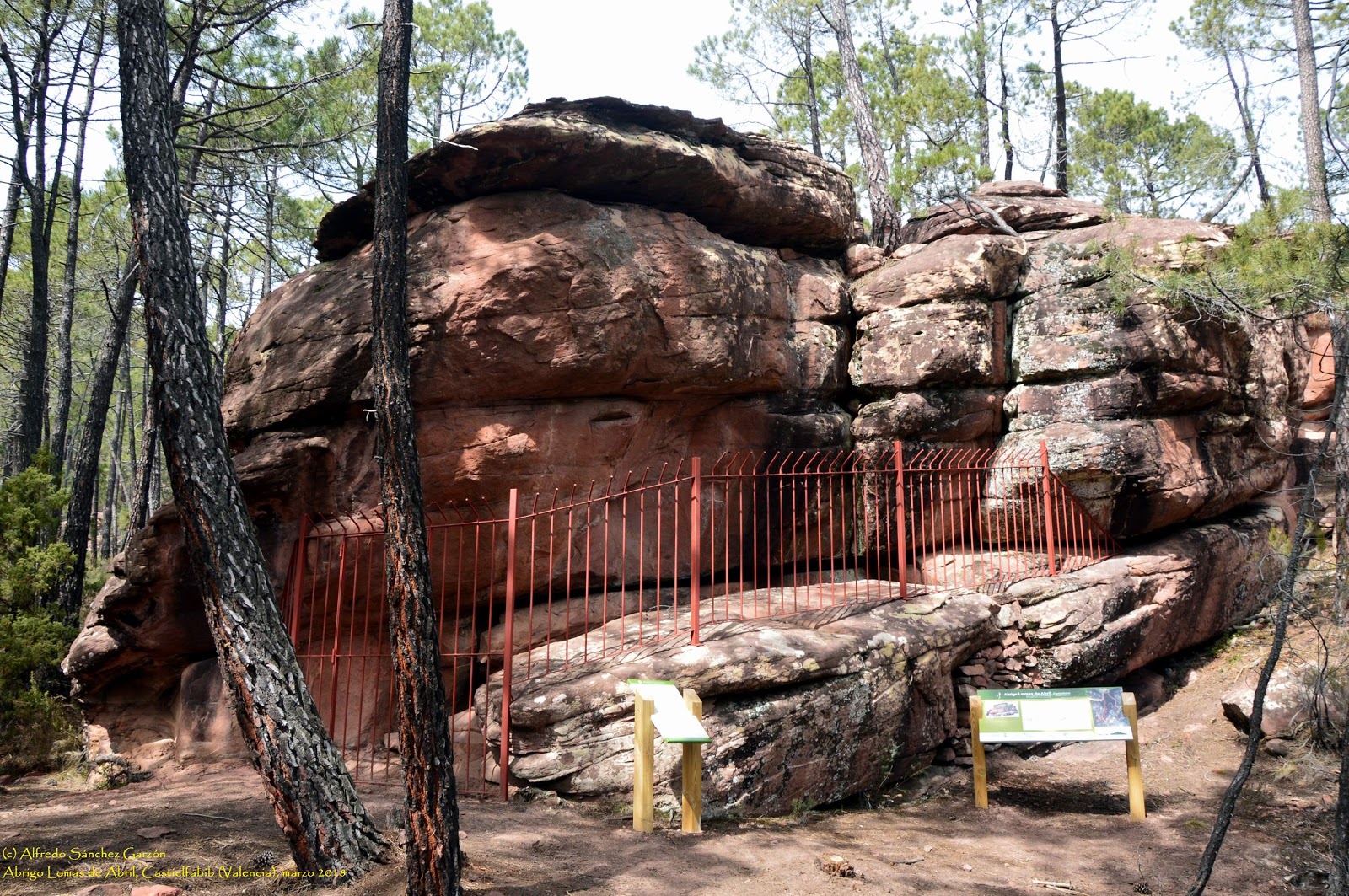
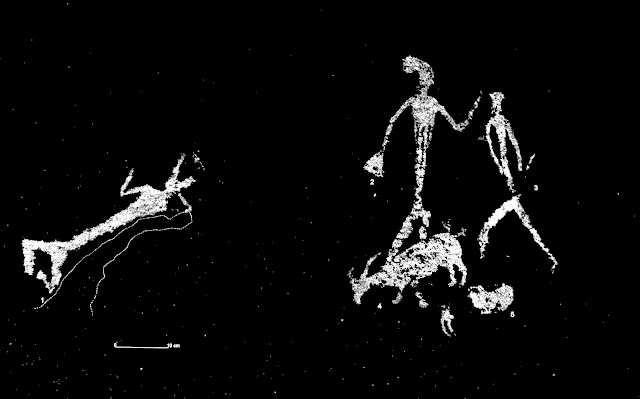
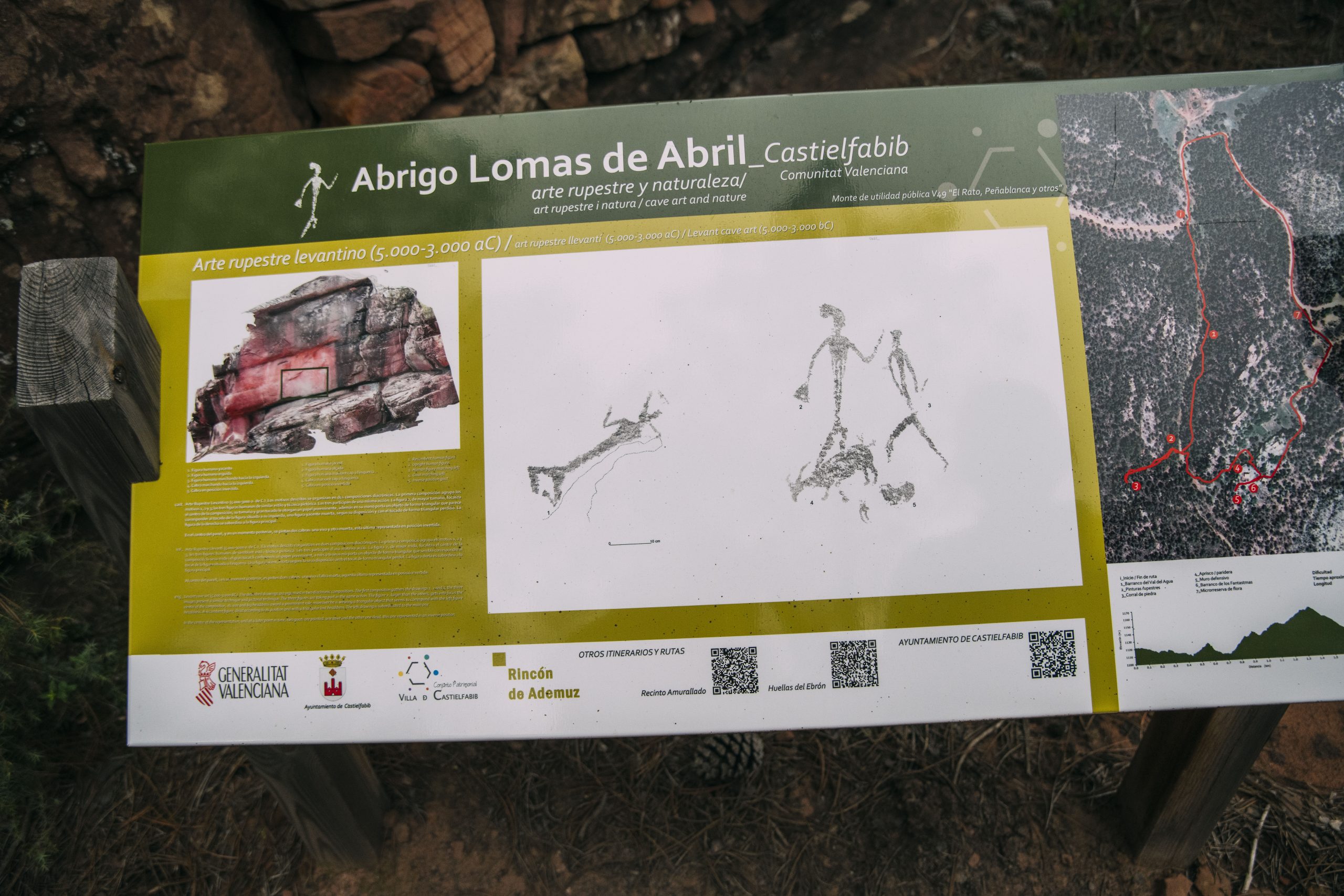
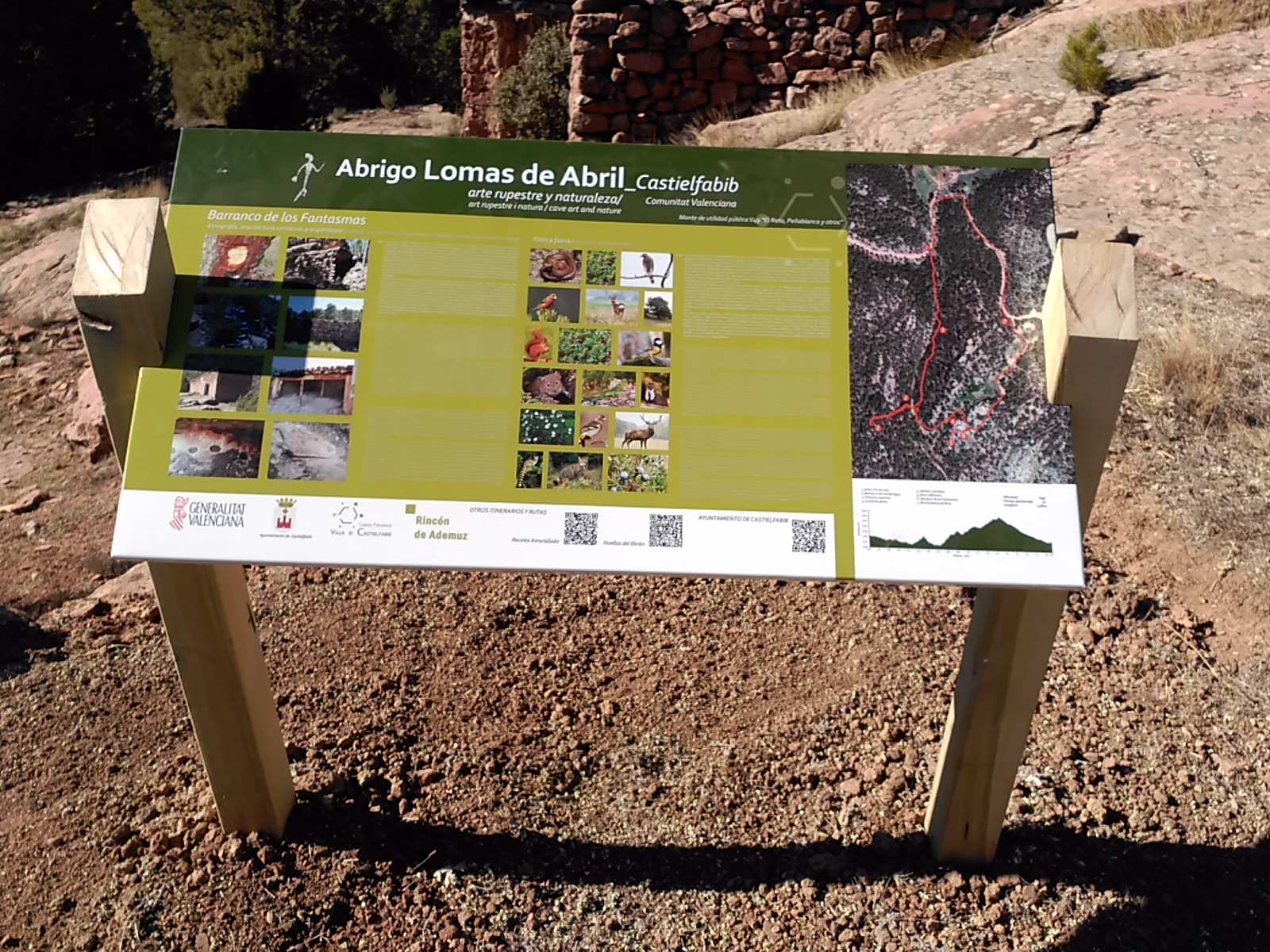
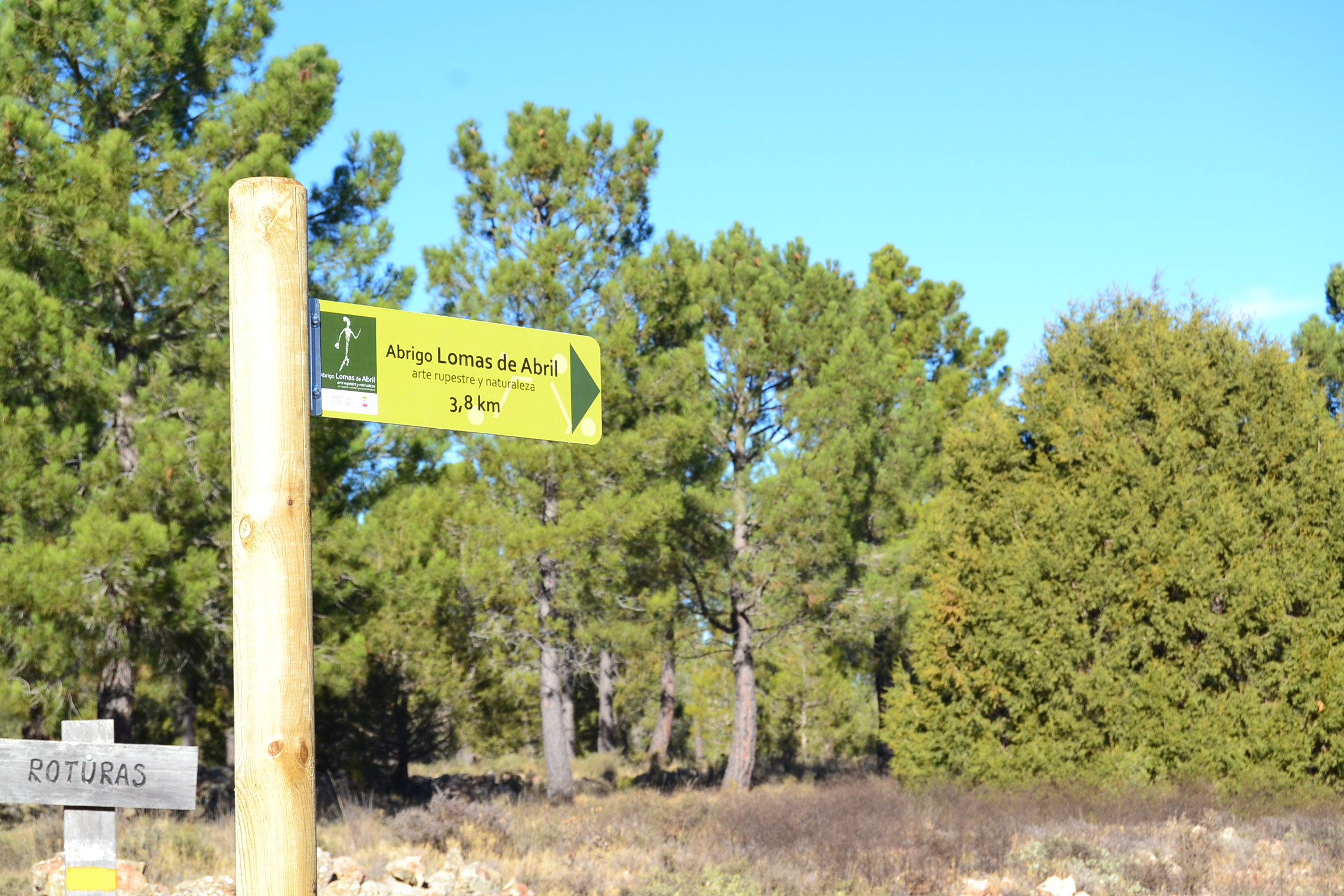
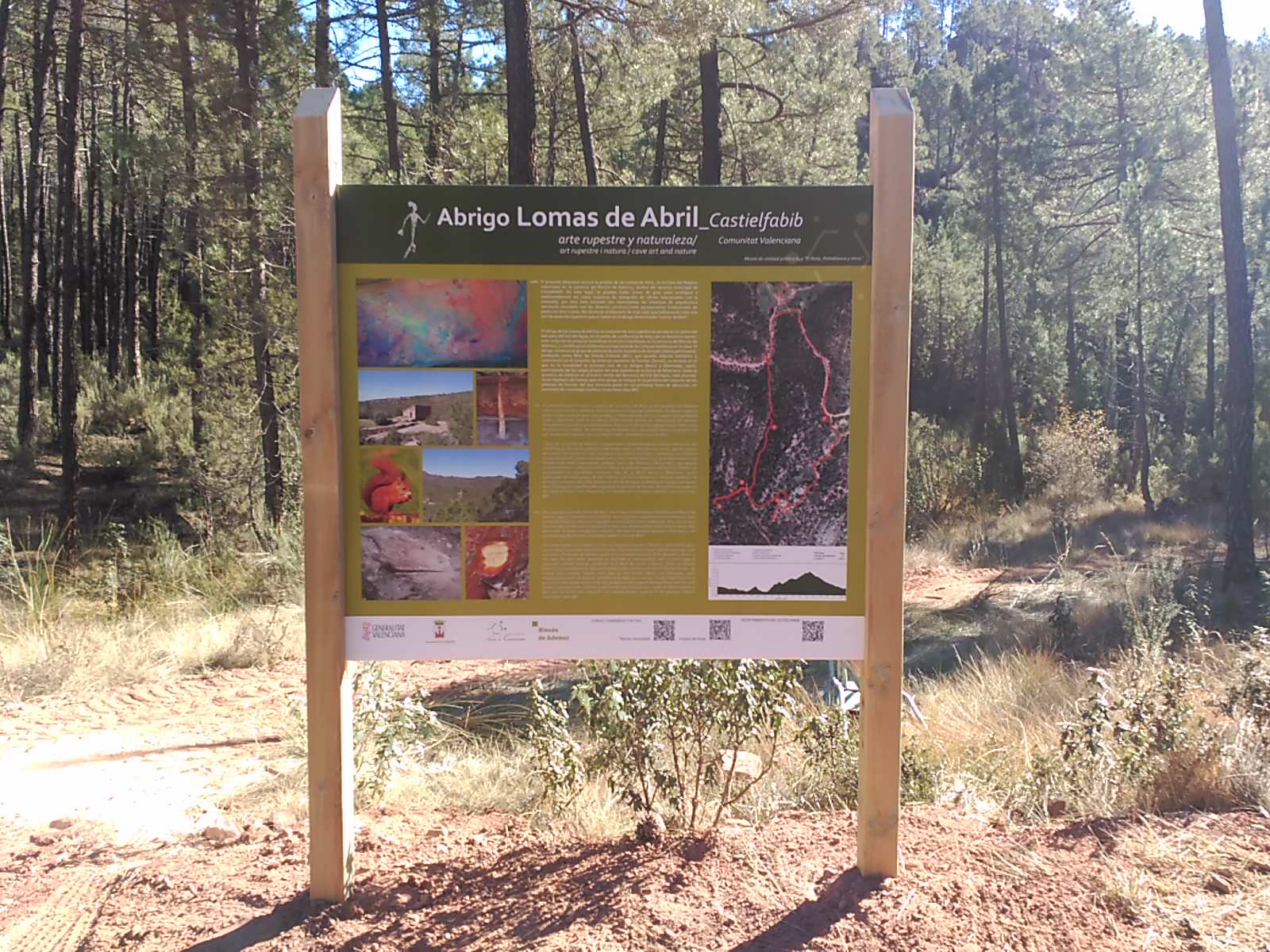
Located in El Rodeno, this place houses Neolithic cave paintings, accompanied by archaeological remains and traditional architecture linked to the agricultural world.
Votive altar of the Castillejo
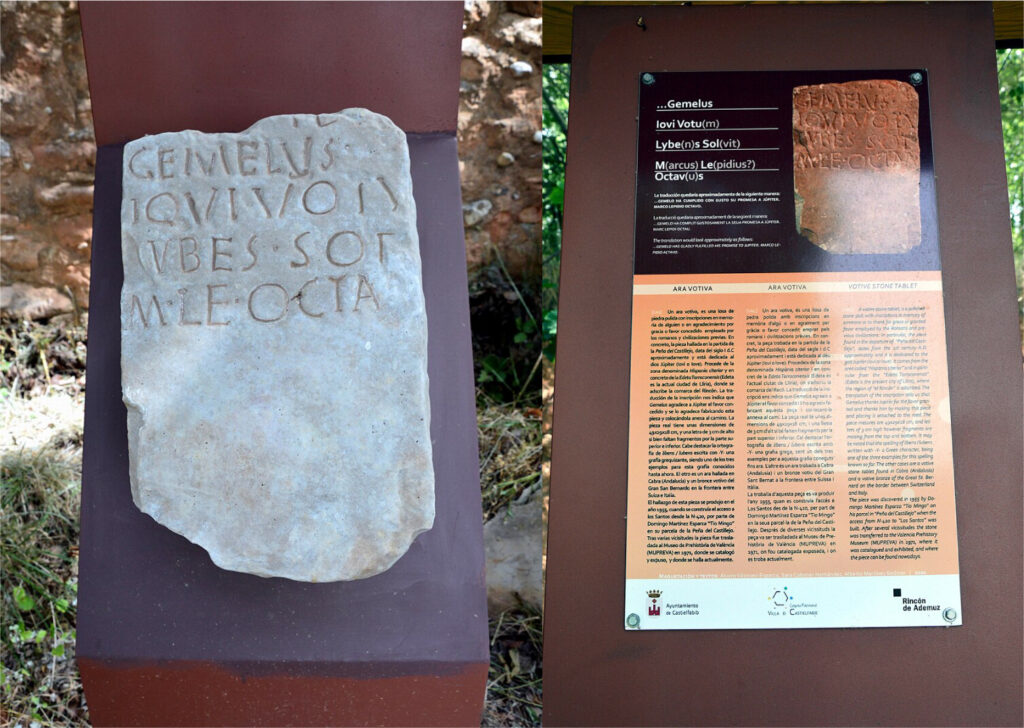
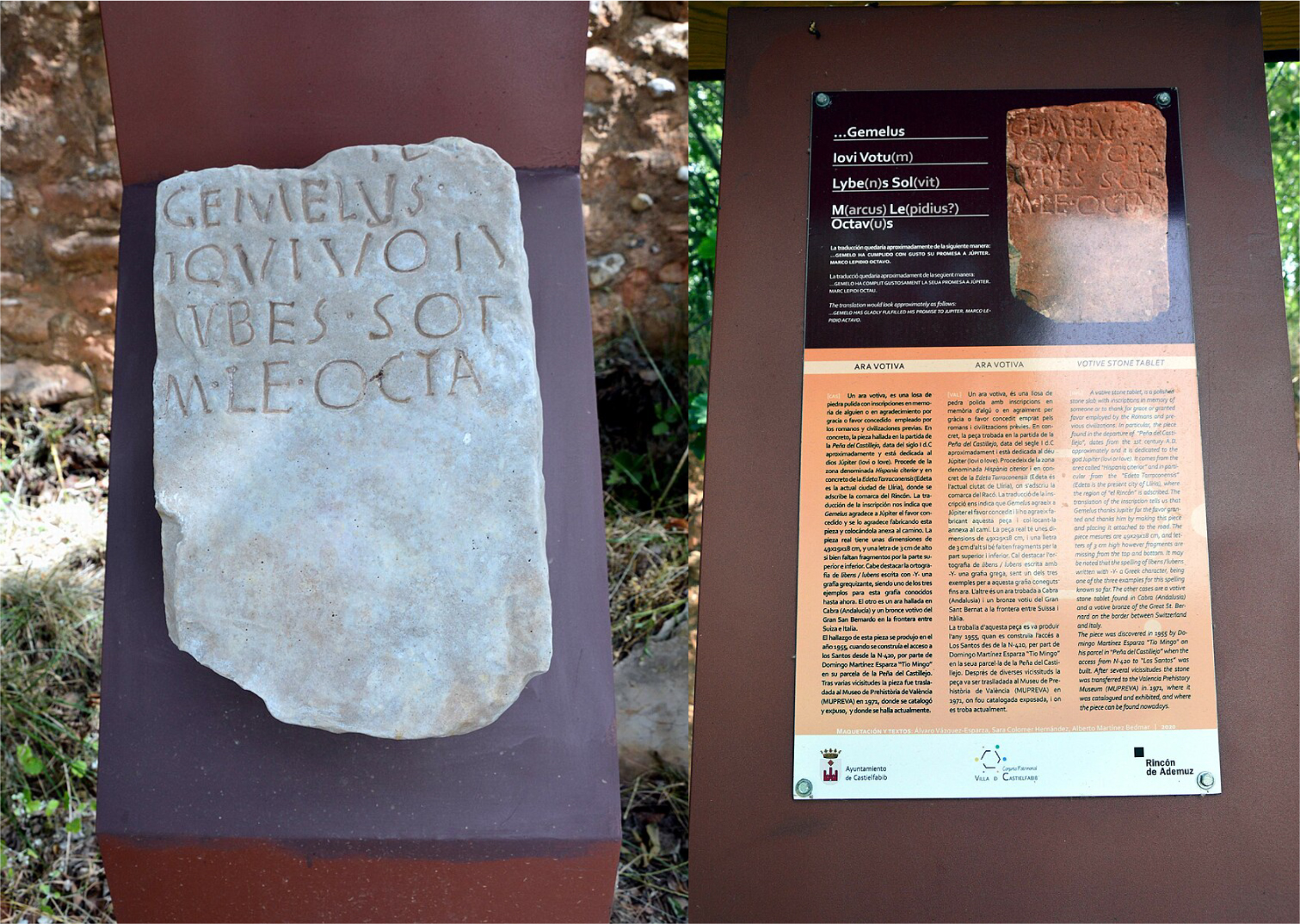
A fragment of a Roman gravestone from the 1st century AD, this piece is tangible evidence of the Roman presence in the region.
Necropolis of La Nava
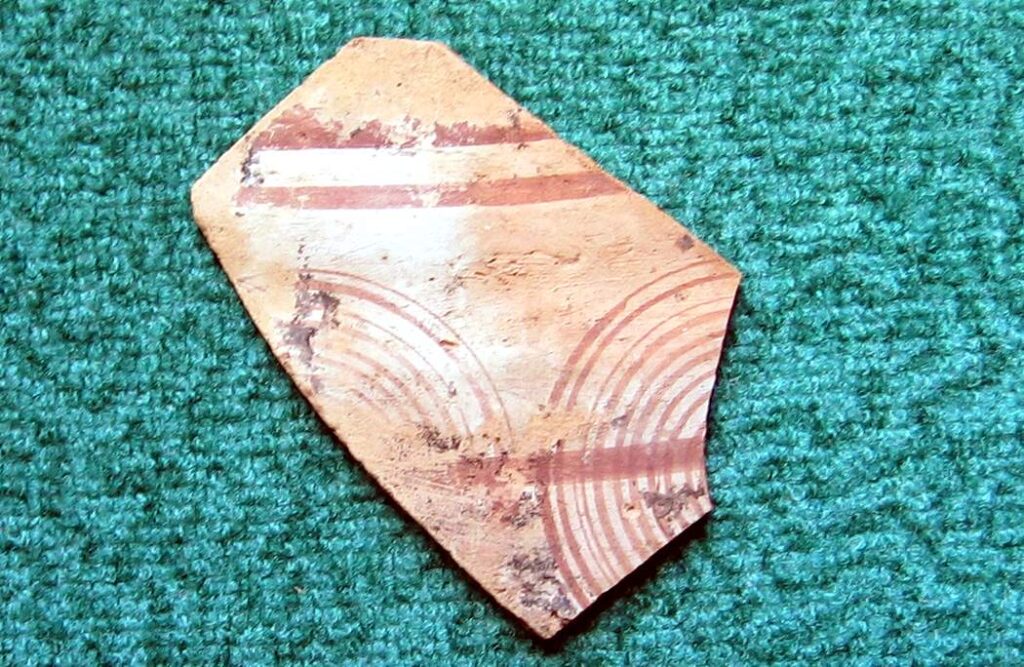
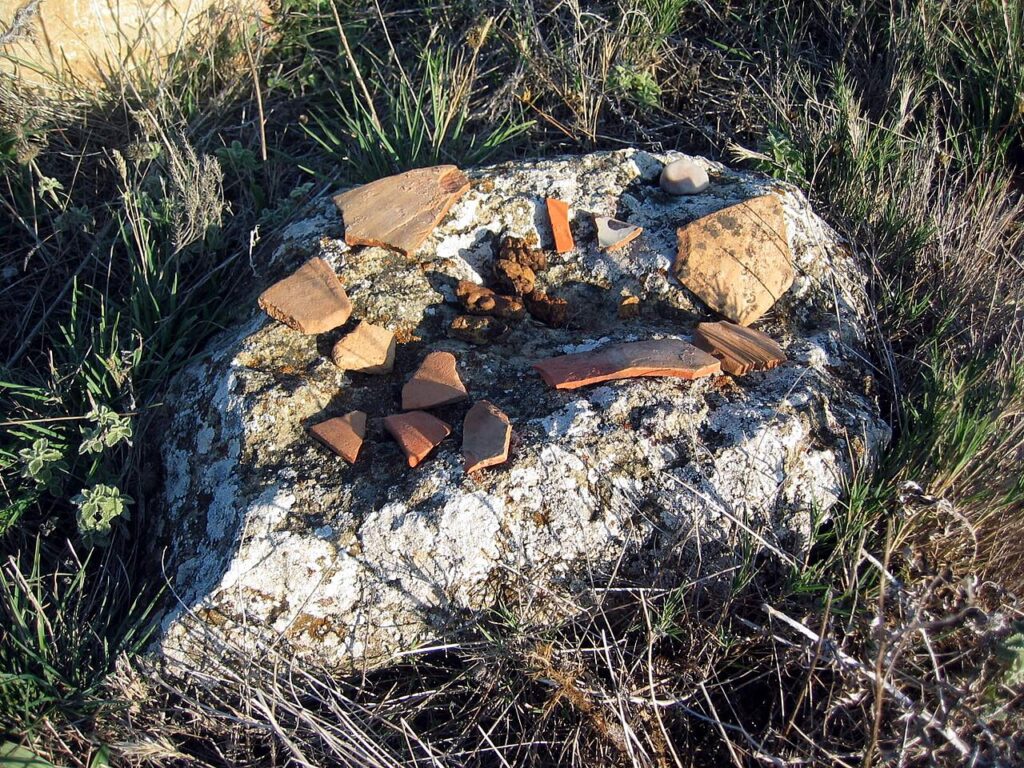
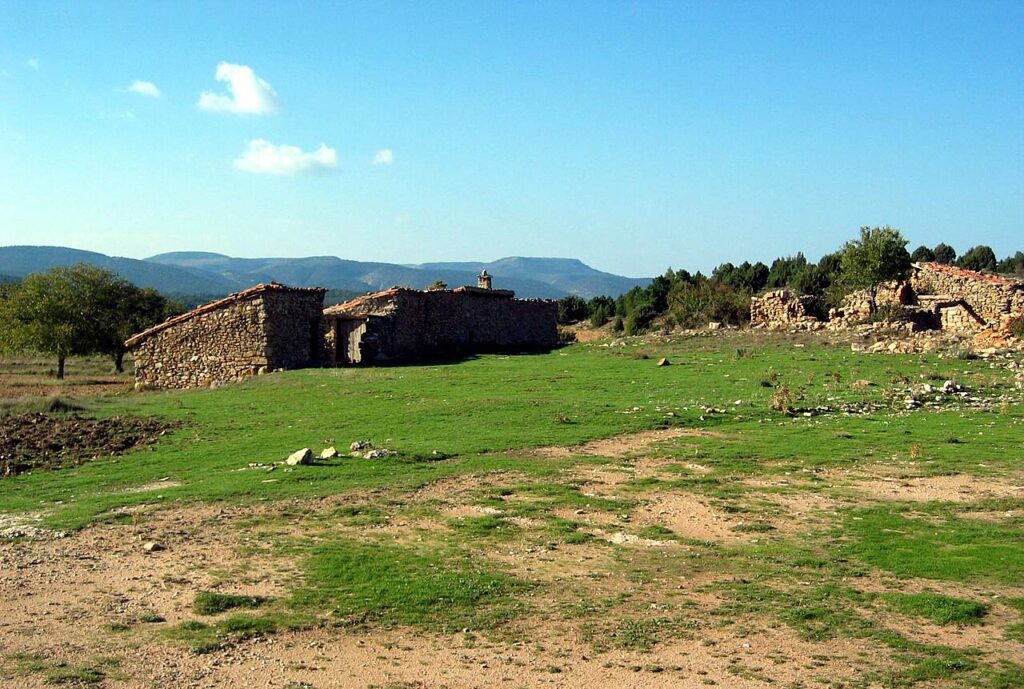
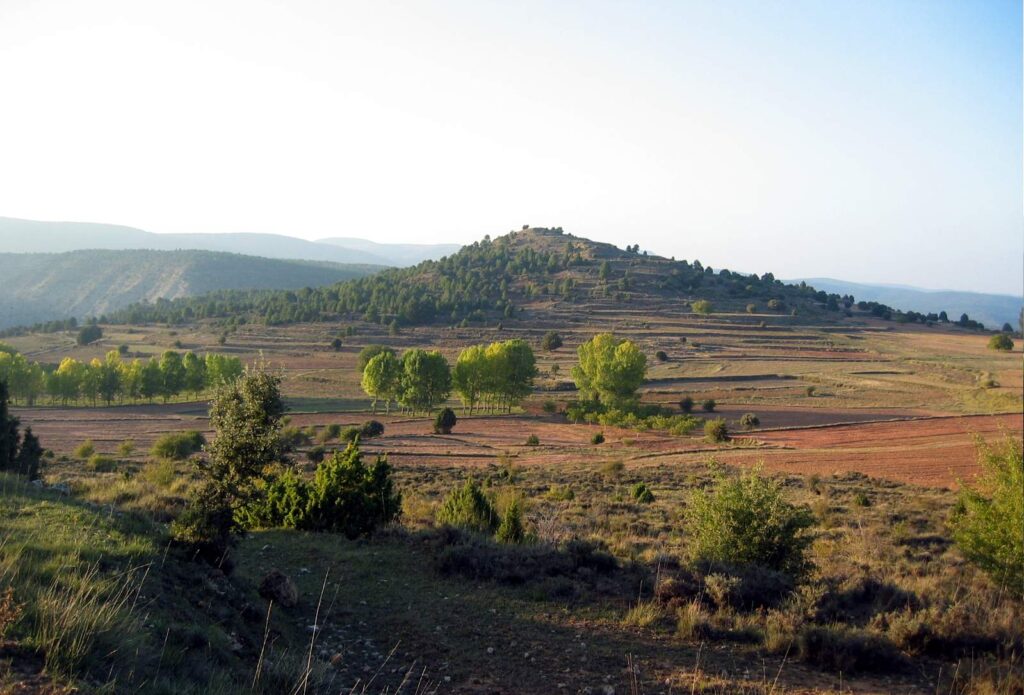
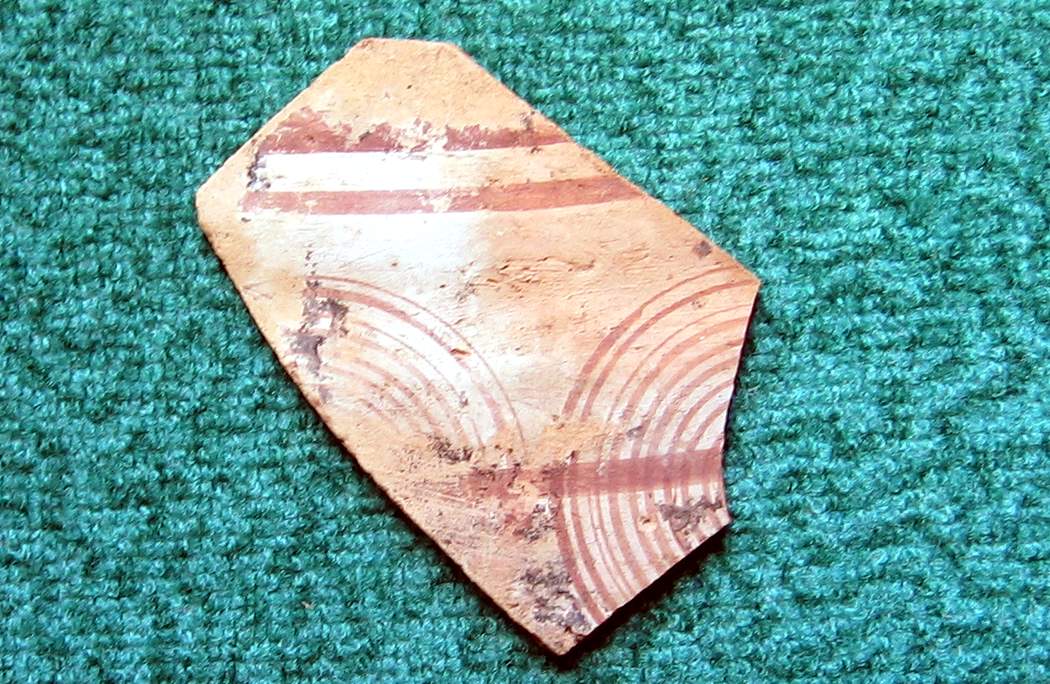
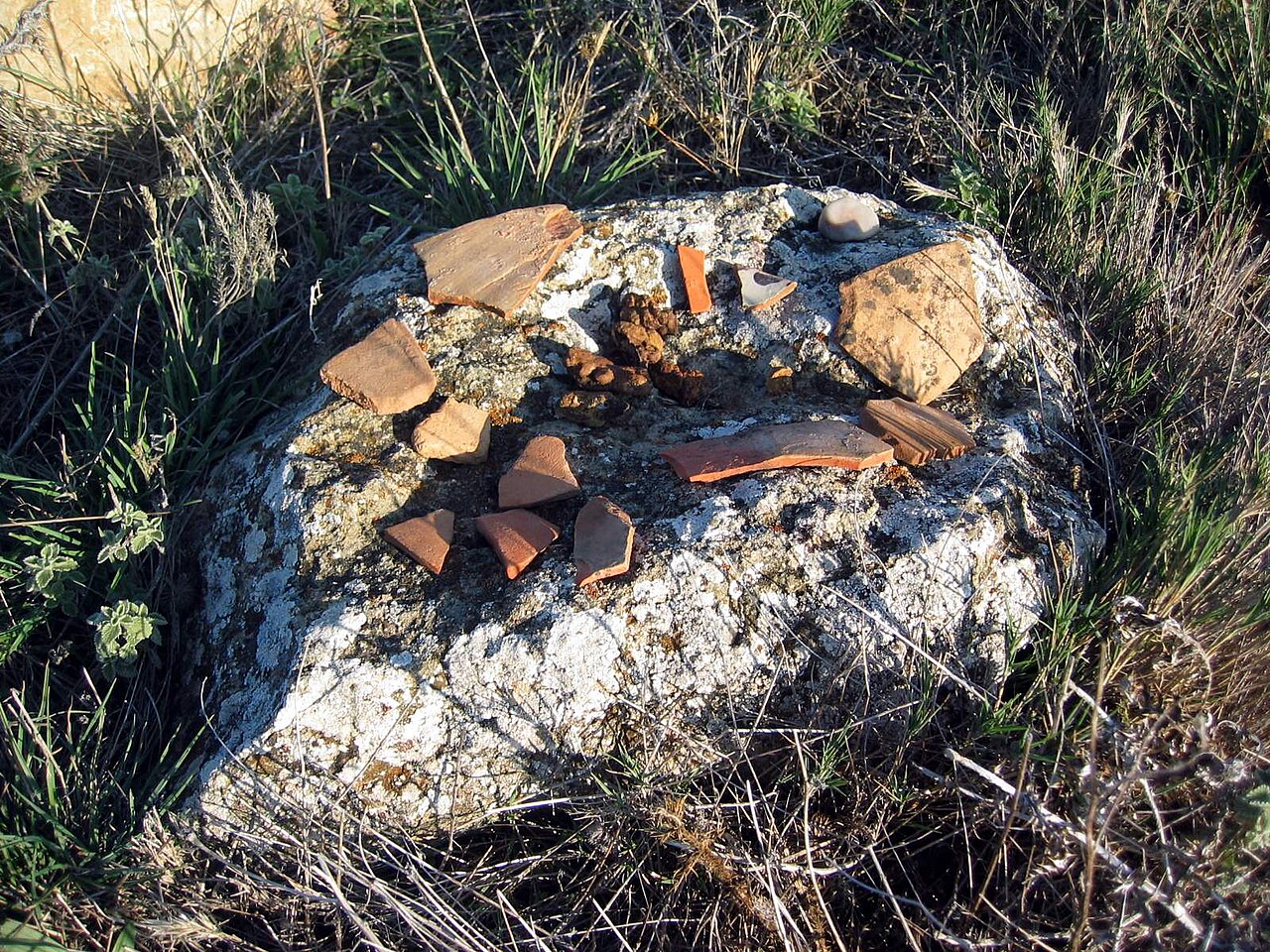
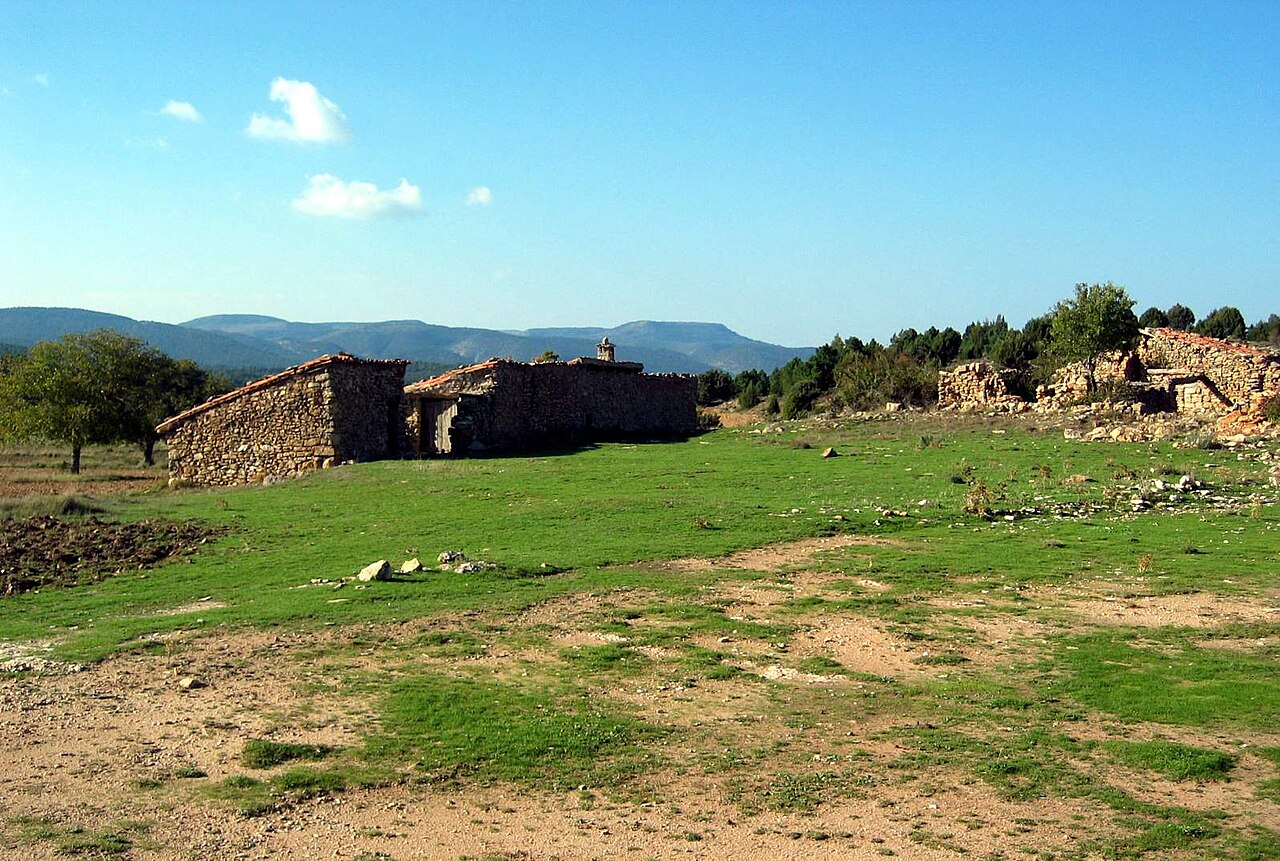
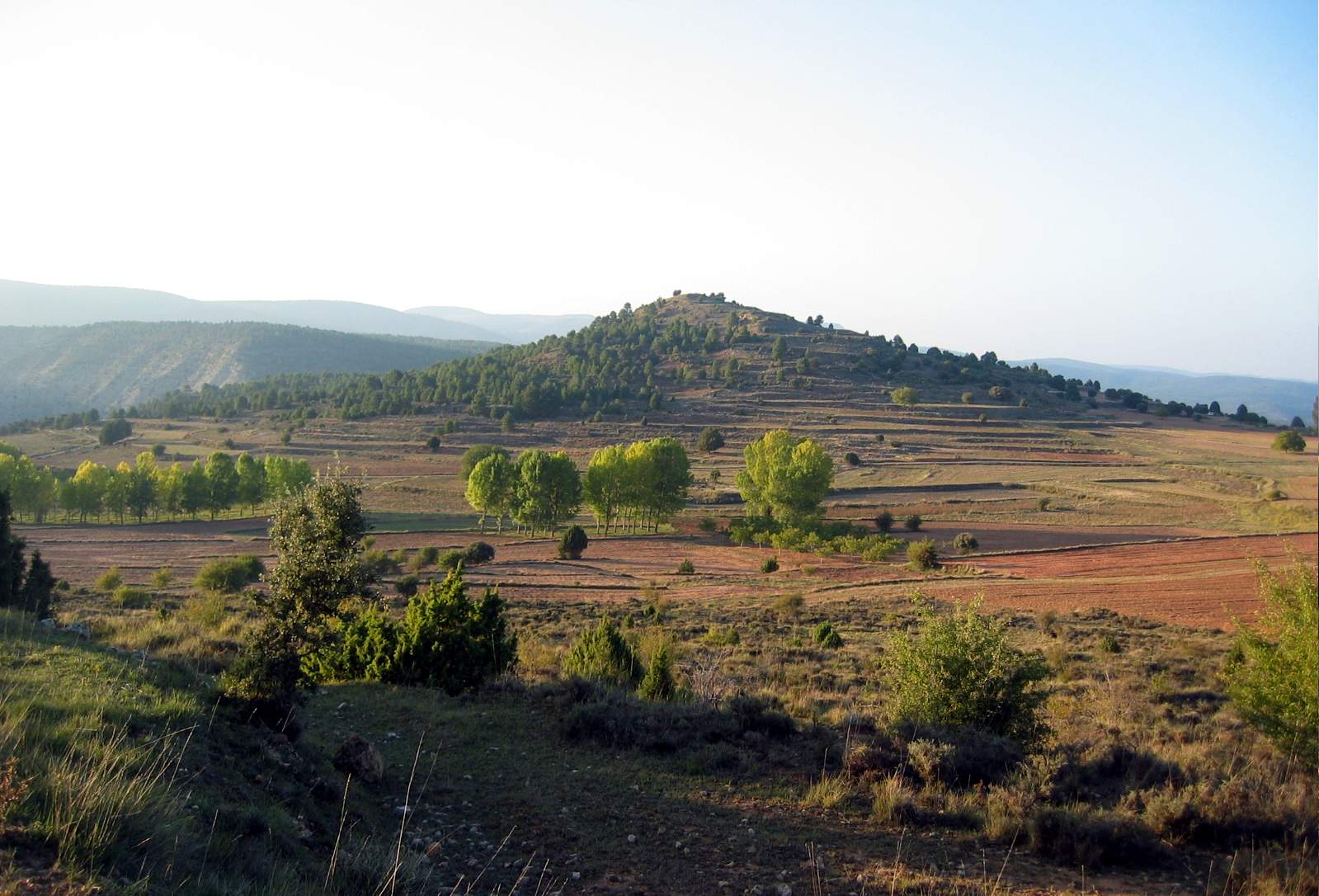
In Corrales de la Nava, northwest of the town, two Iberian necropolises were found —one in Los Corrales and the other in La Umbría— and an Iberian hill fort on the hill of La Morrita, dating from between the 7th century BC and the 4th century BC.
The intangible heritage of Castielfabib is a living treasure that reflects the cultural identity of its inhabitants through unique celebrations and artistic expressions.
Easter
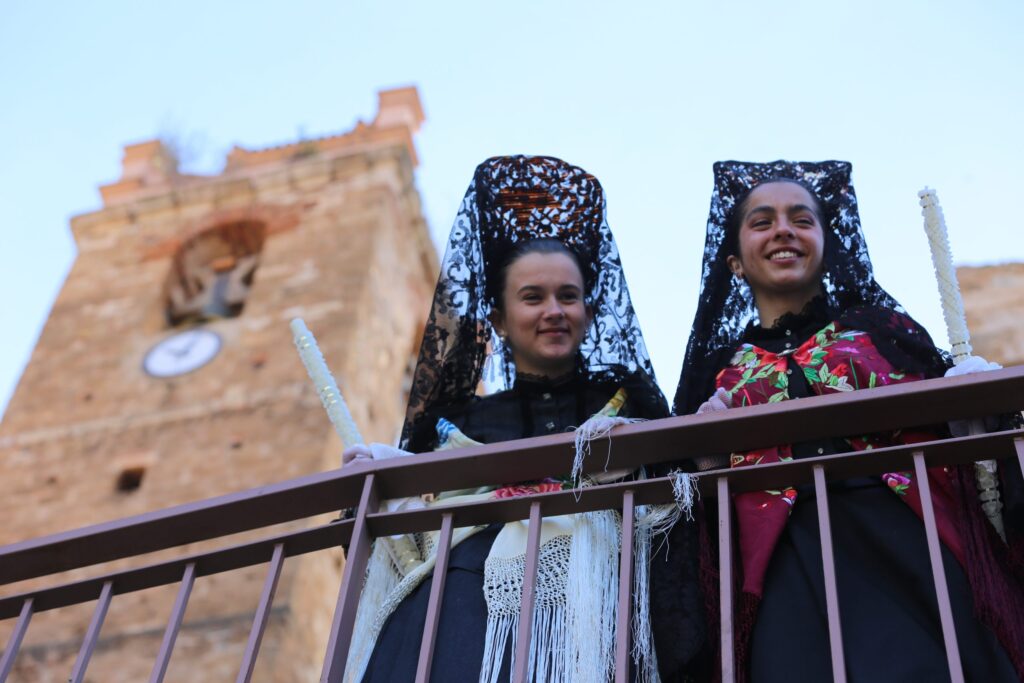
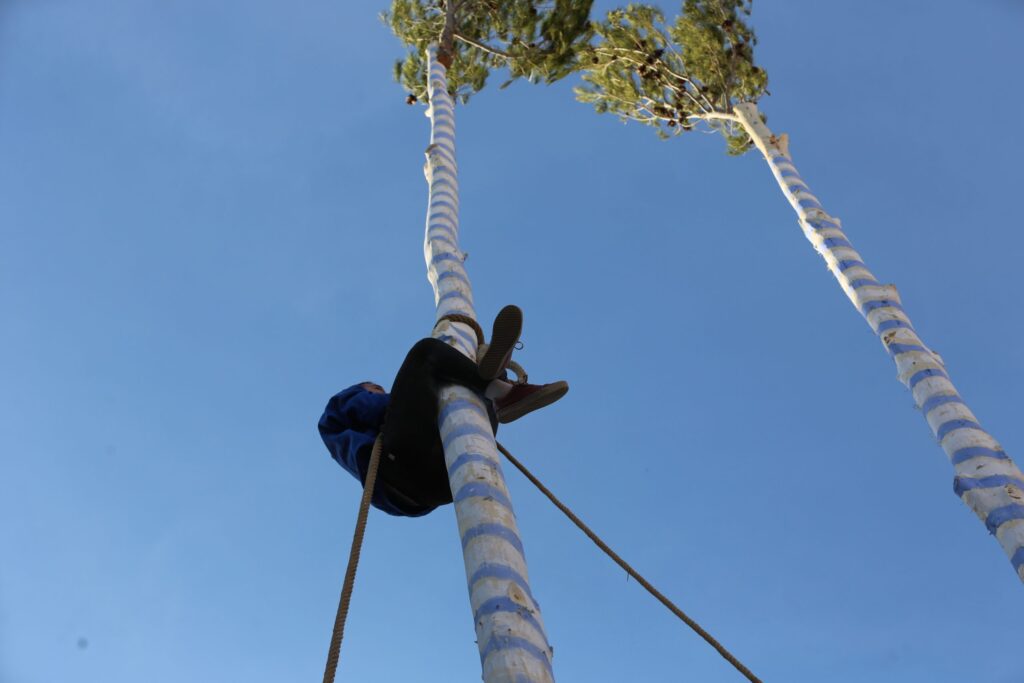
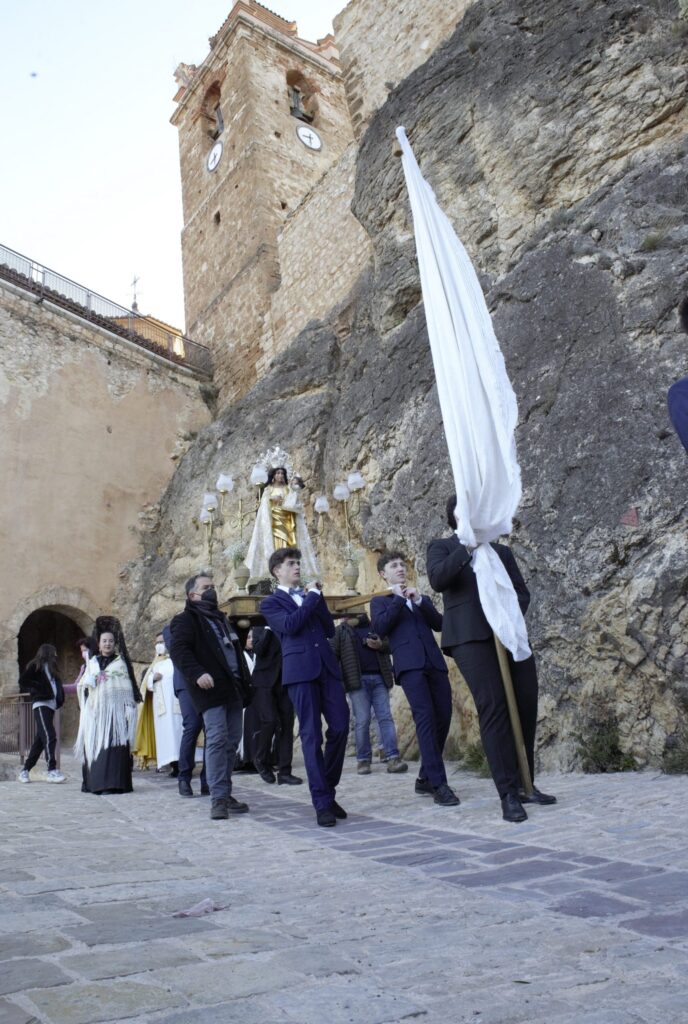
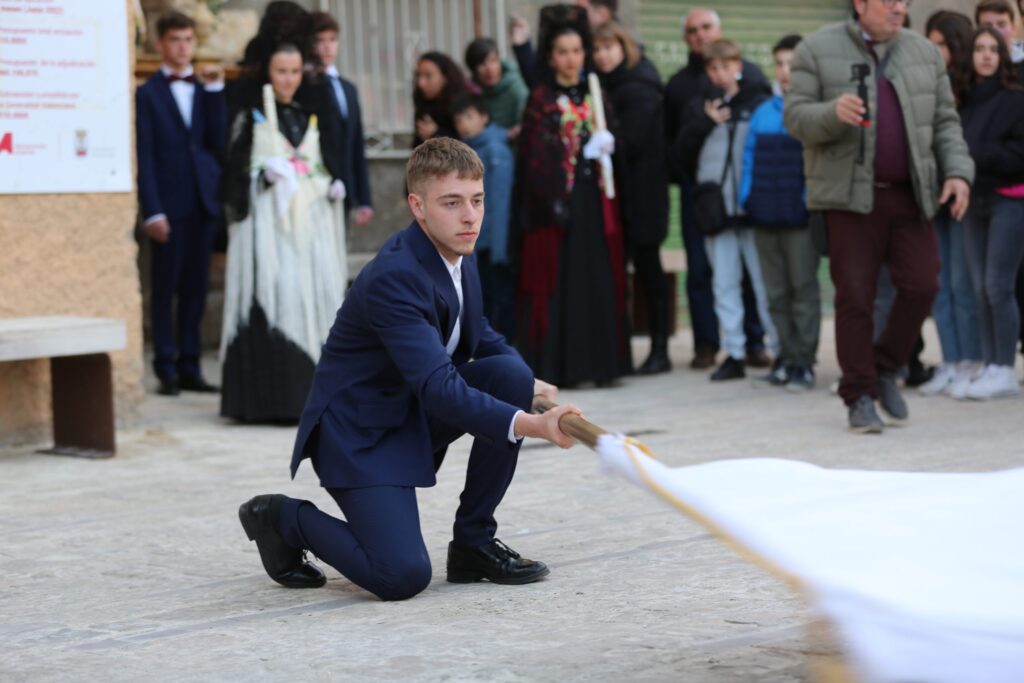
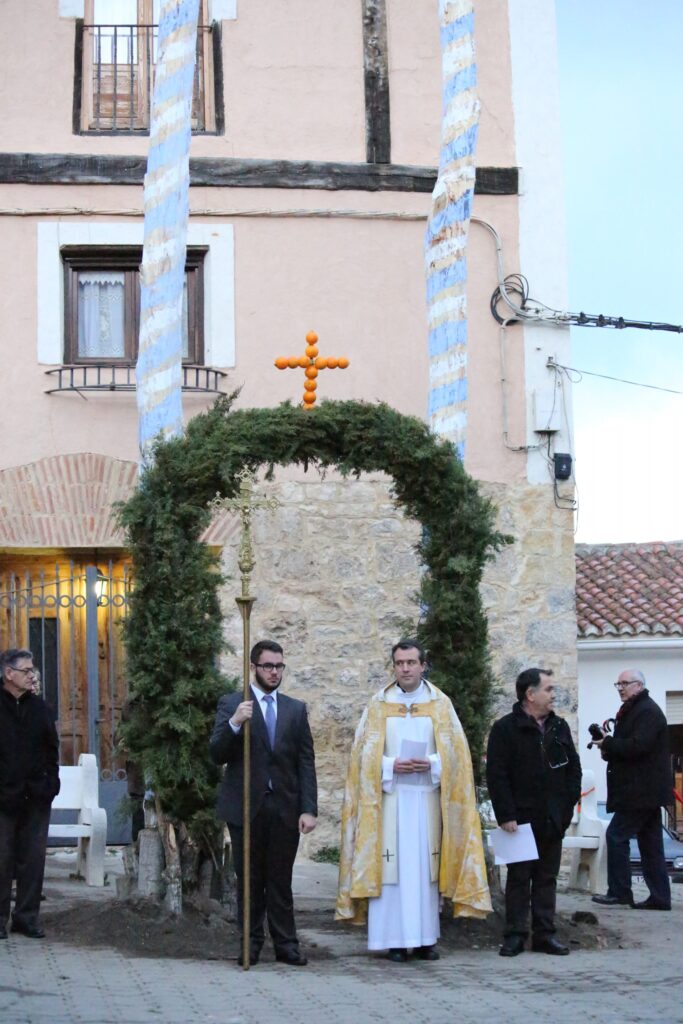
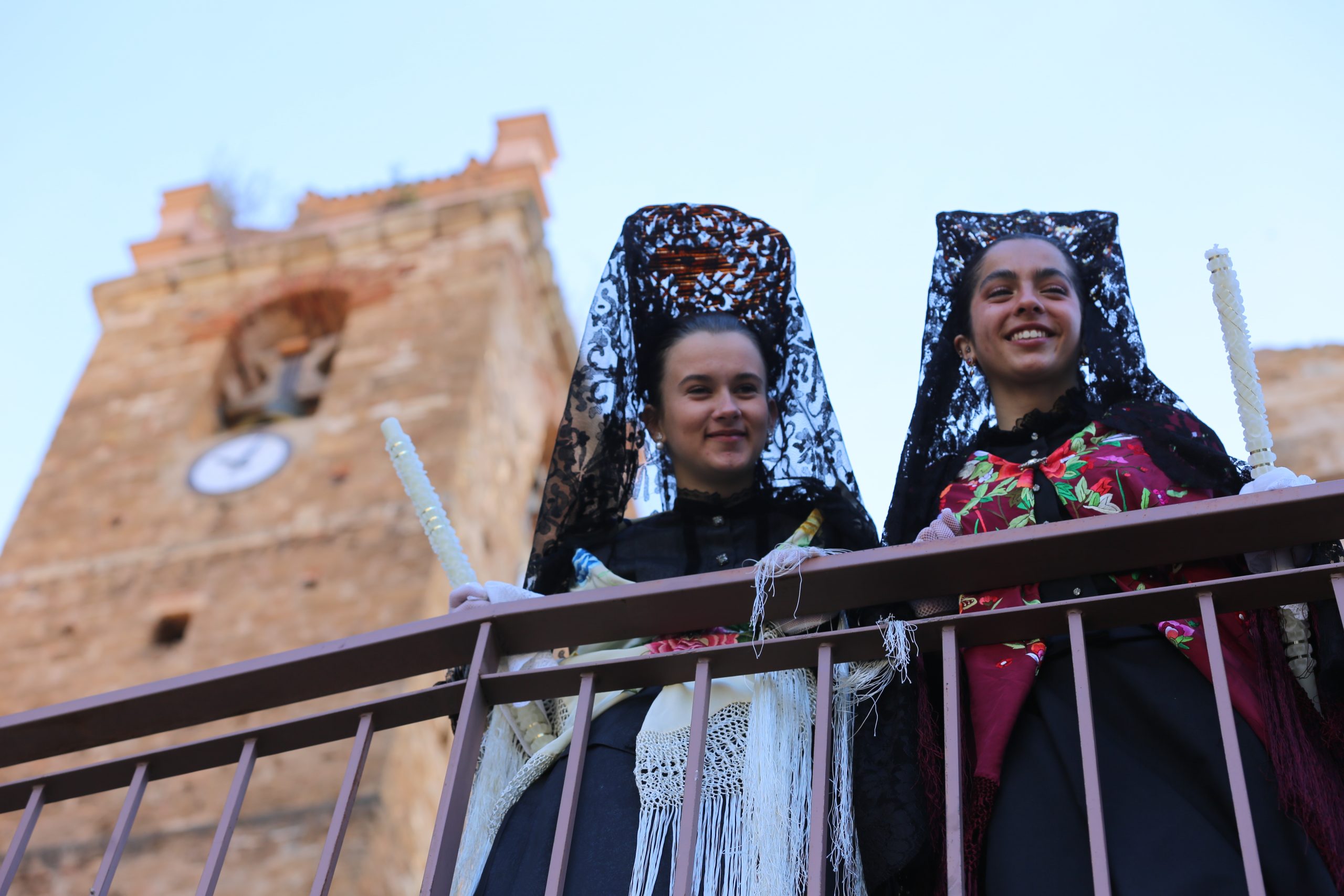
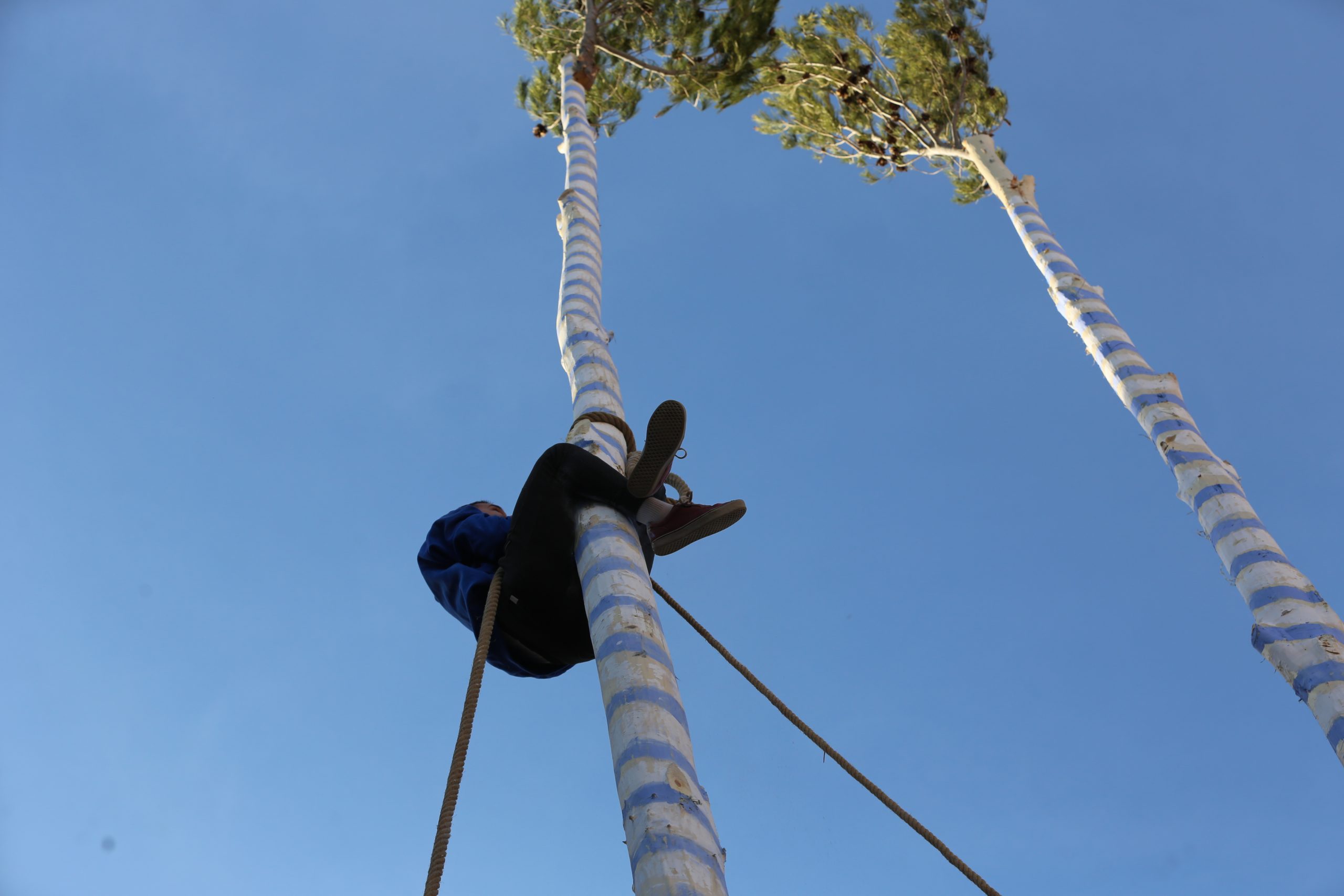
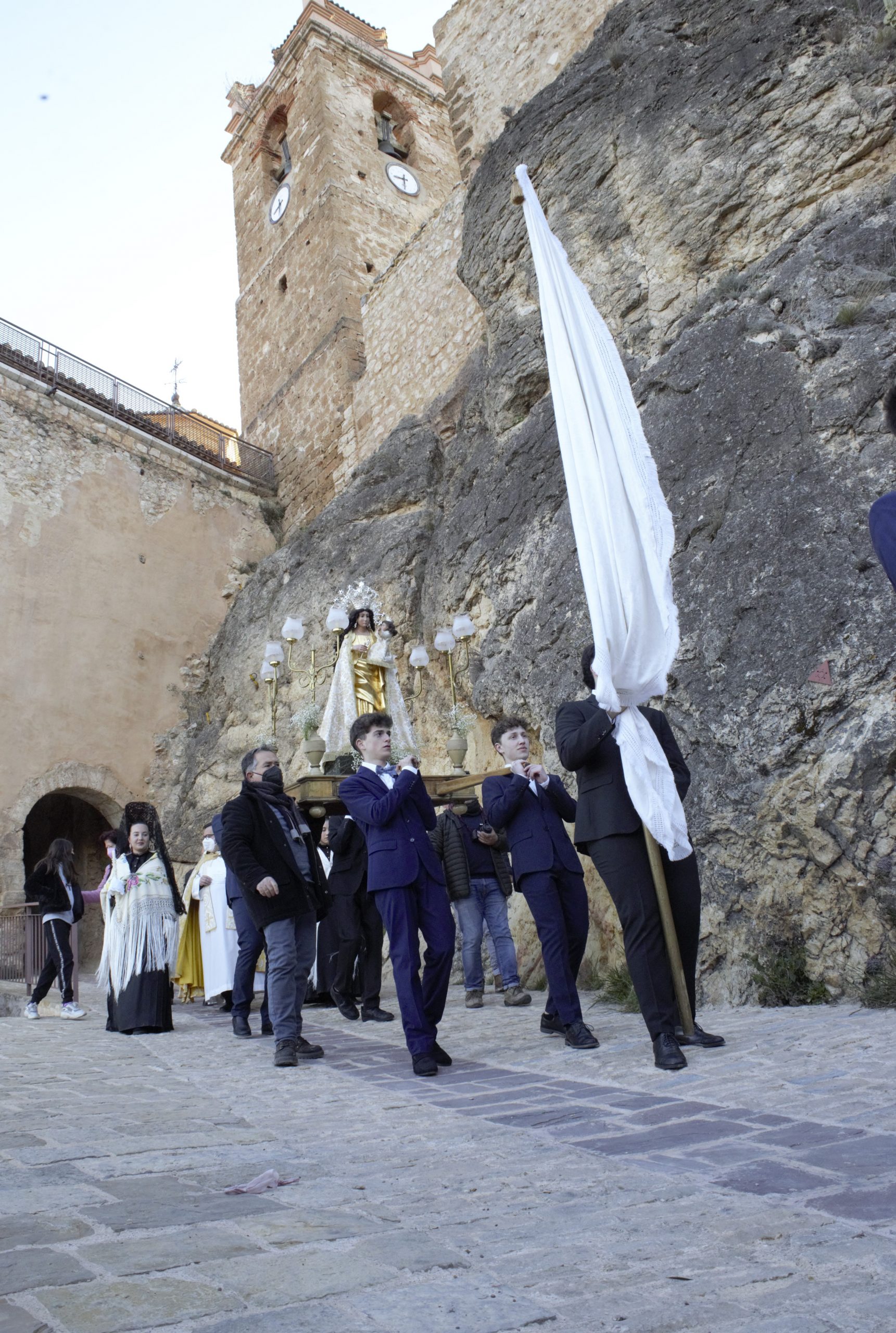
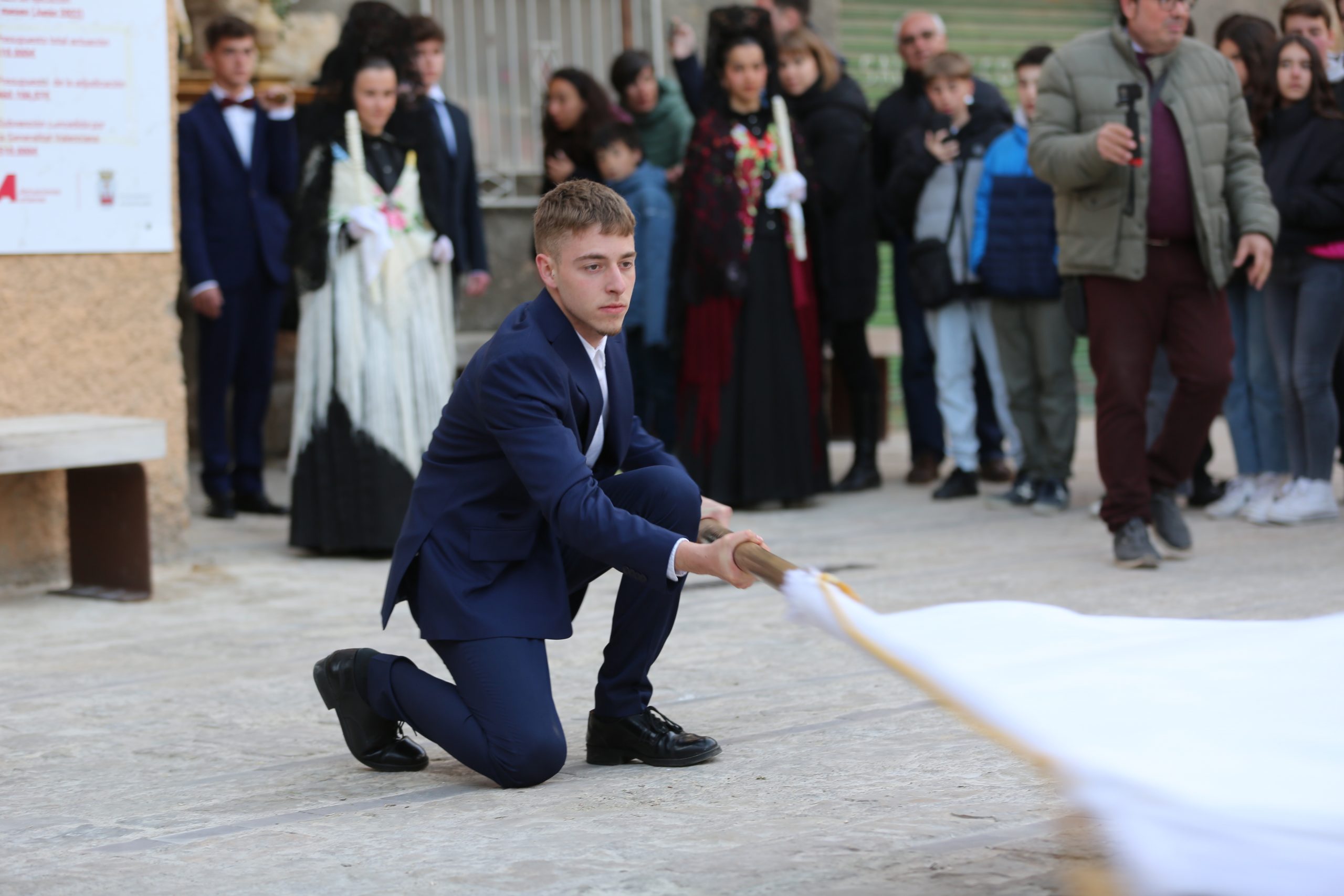
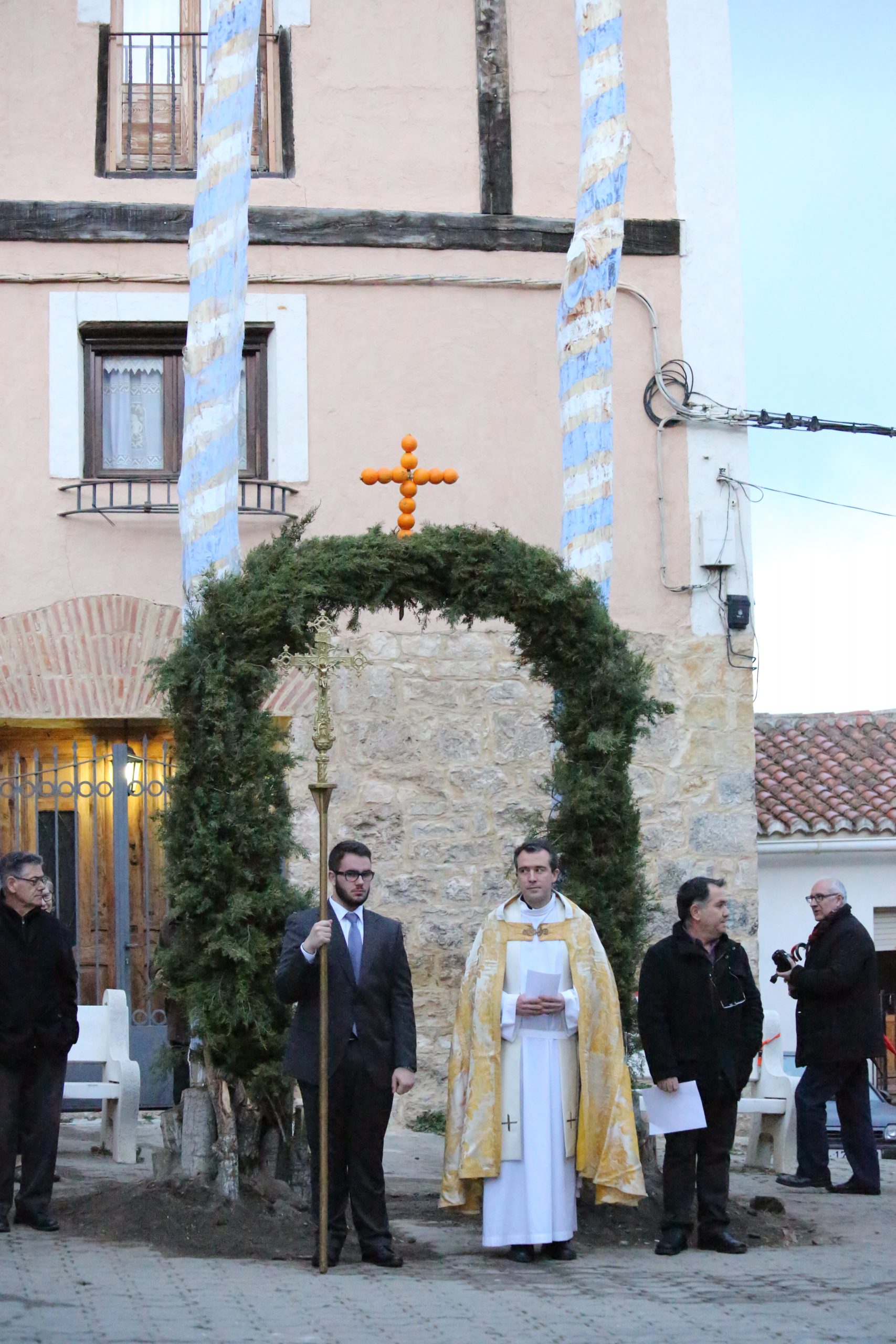
Holy Week in Castielfabib combines religious and pagan elements with events such as the human ringing of bells and the planting of poplar trees in the square, creating a unique and moving experience.
Night of the Axes
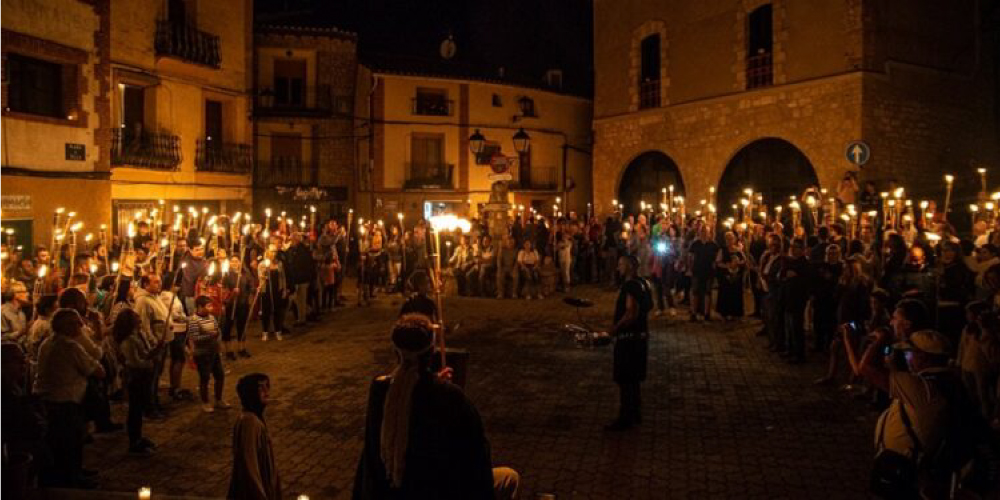
This festival at the end of August fills the streets of the old town with torches, music and artistic performances, highlighting local creativity and folklore.
Human turning
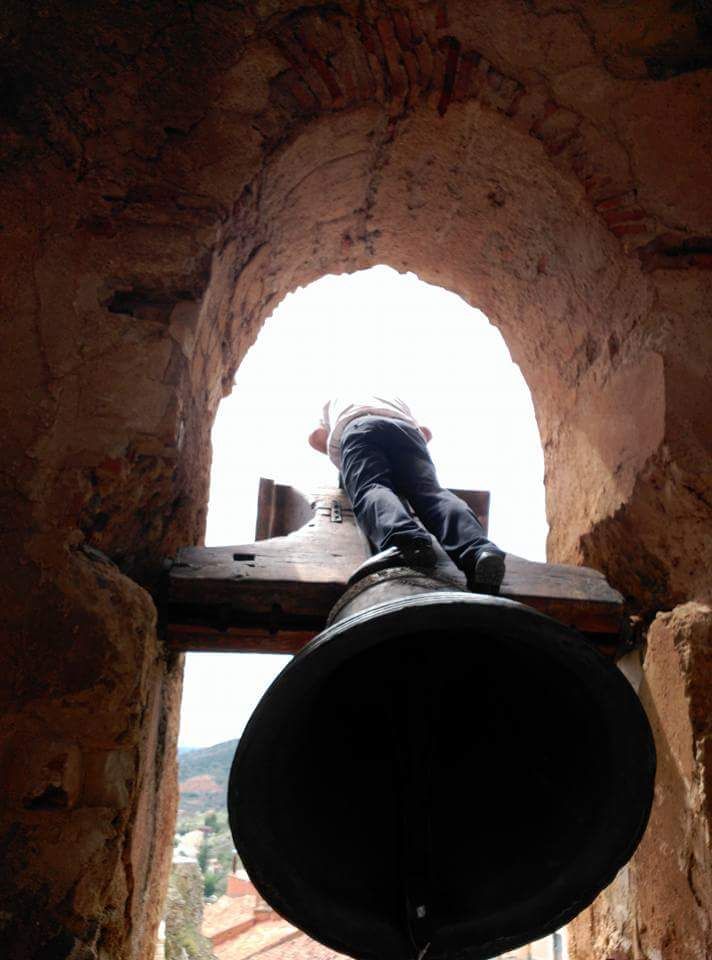
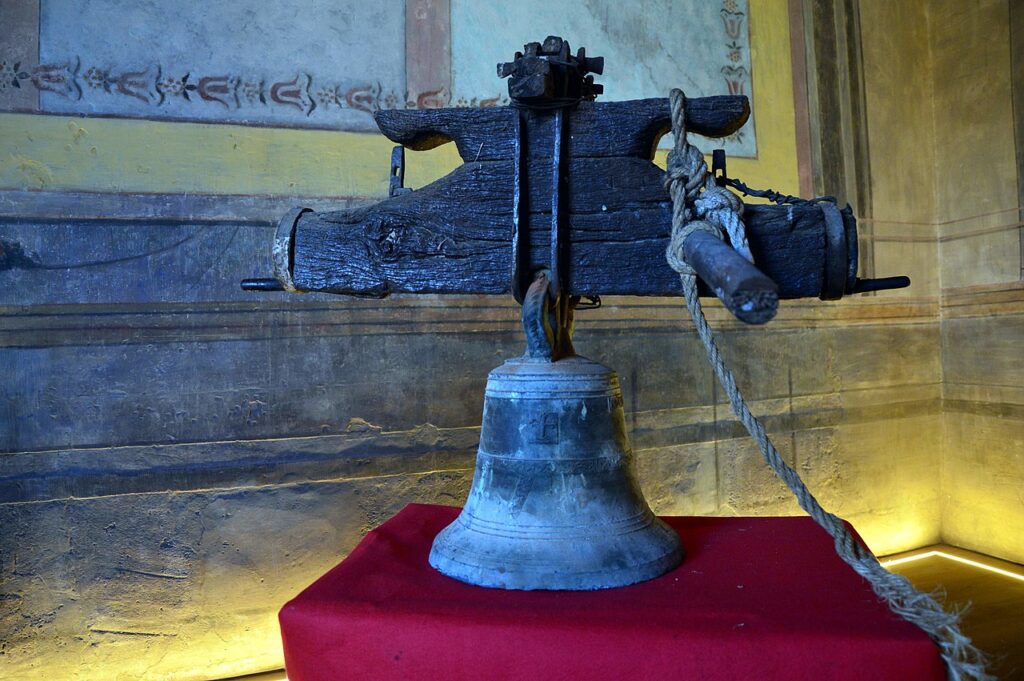
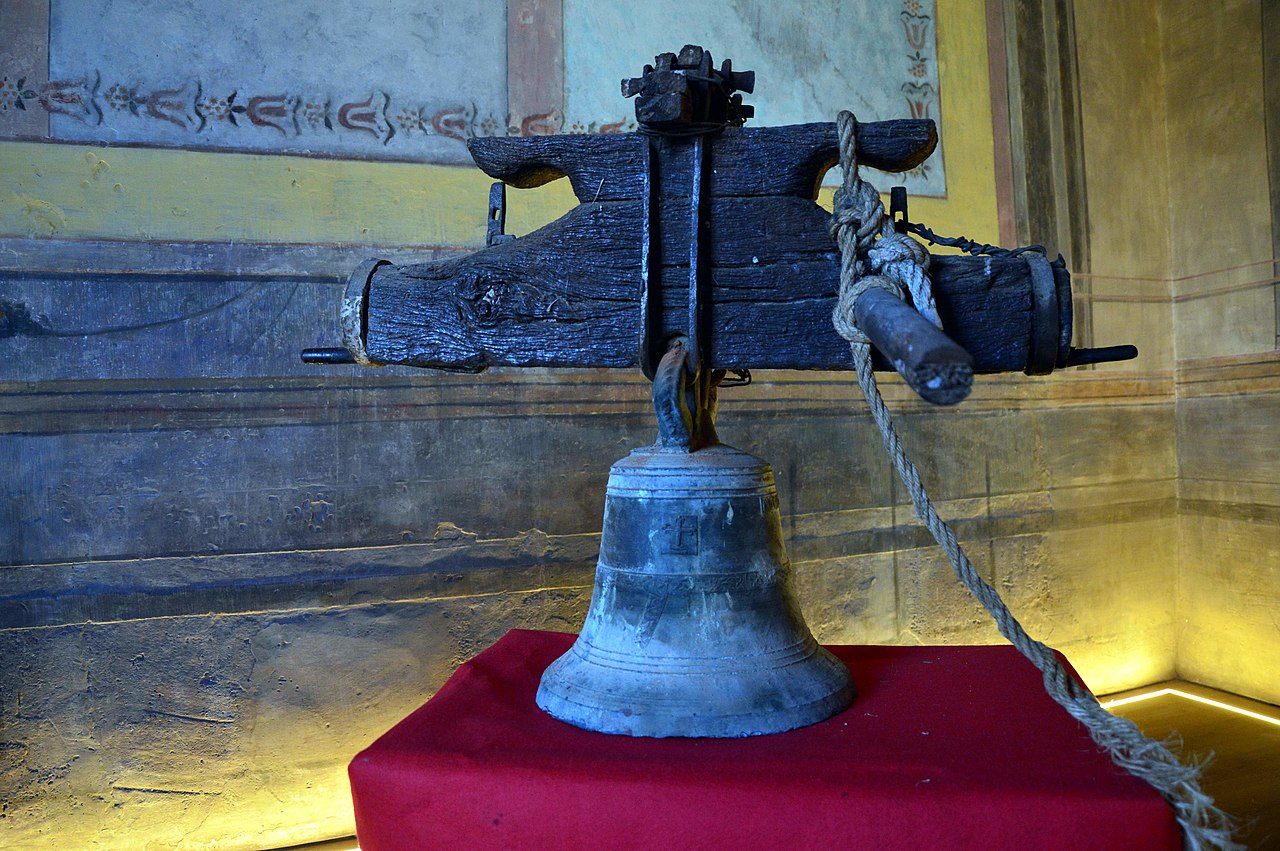
This is the most representative tradition of the municipality. It consists of the village waiters They cling to the yoke of the bell of the Church of Our Lady of the Angels to be turned next to it.
The fire bull
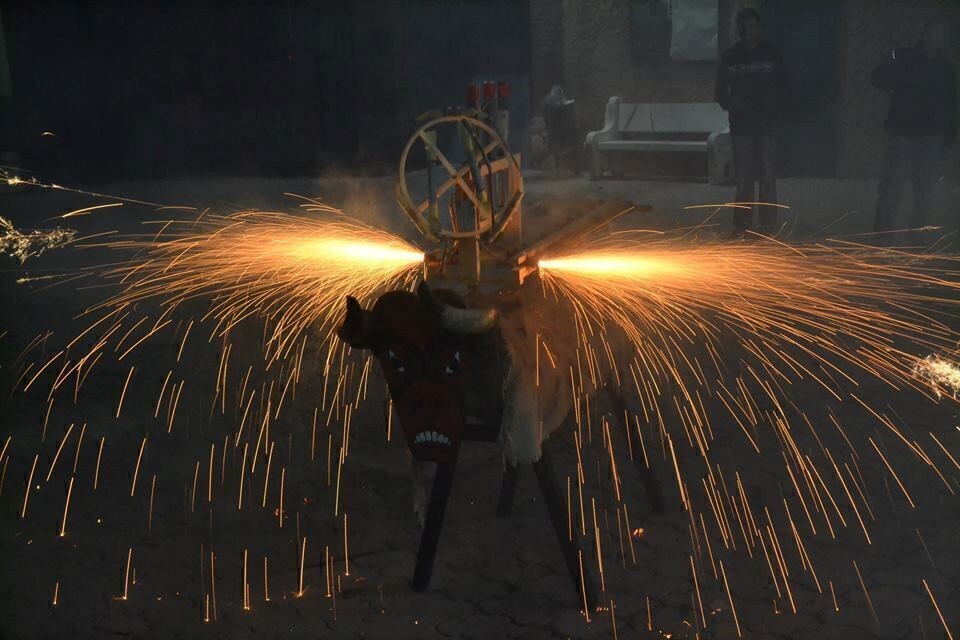
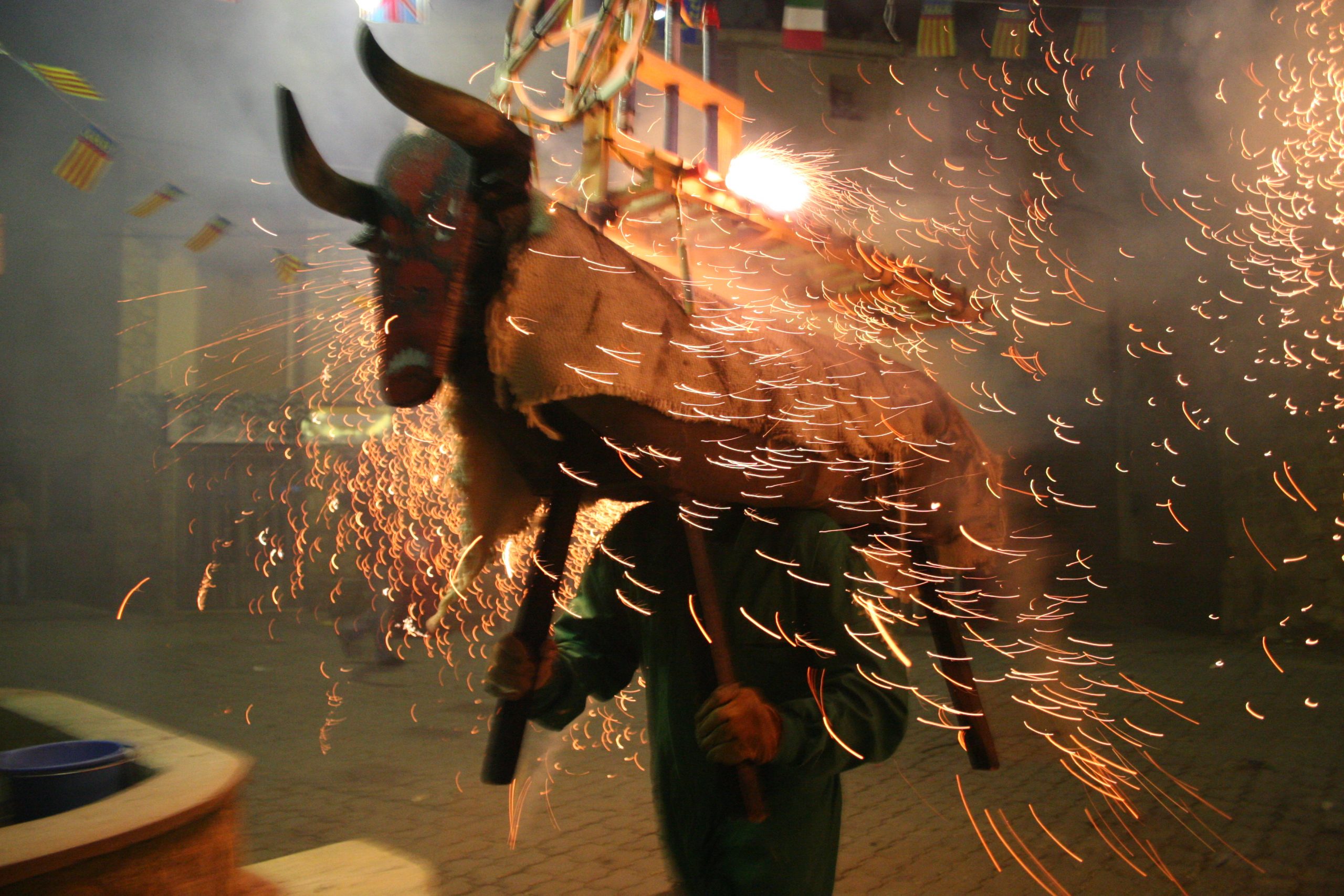
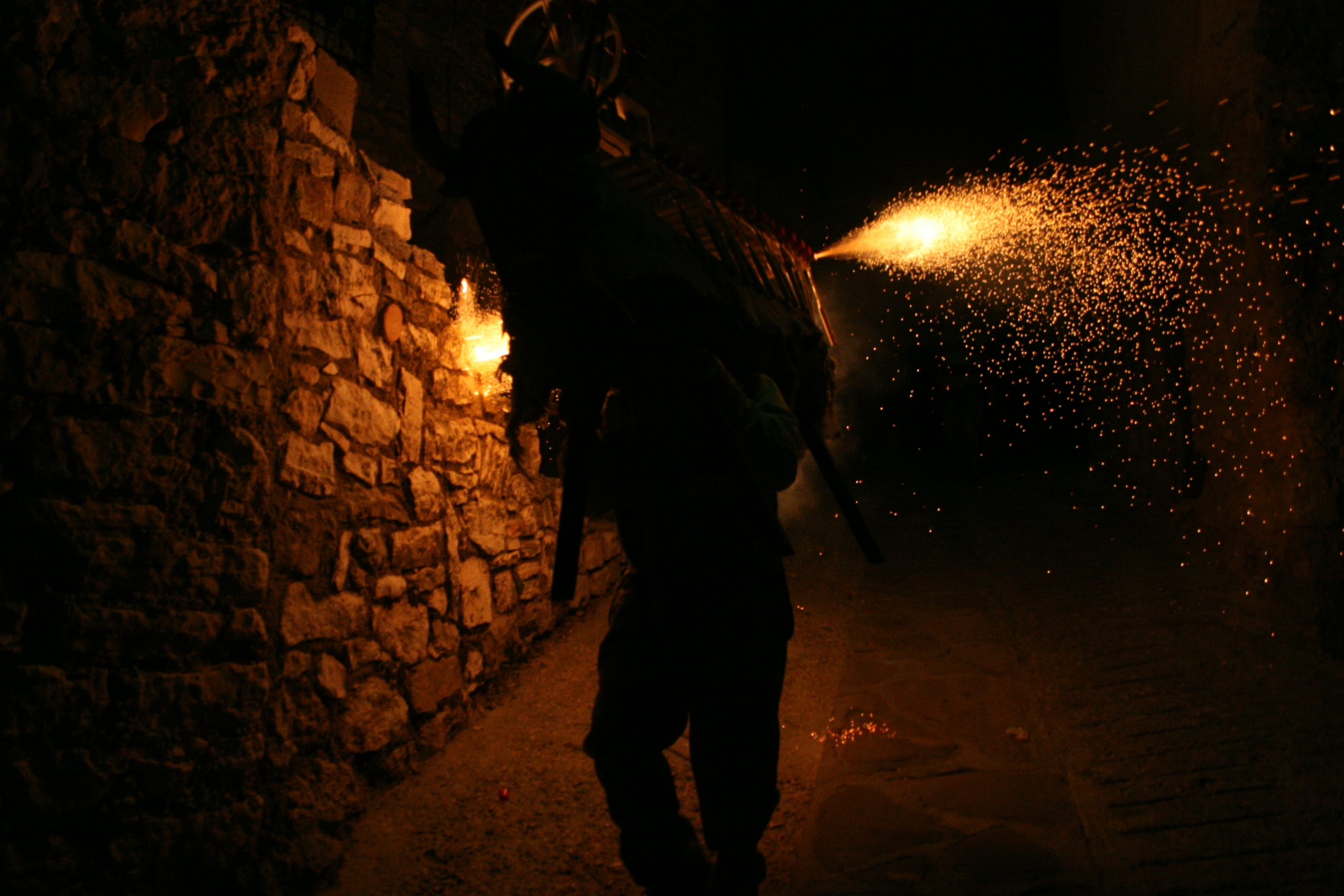
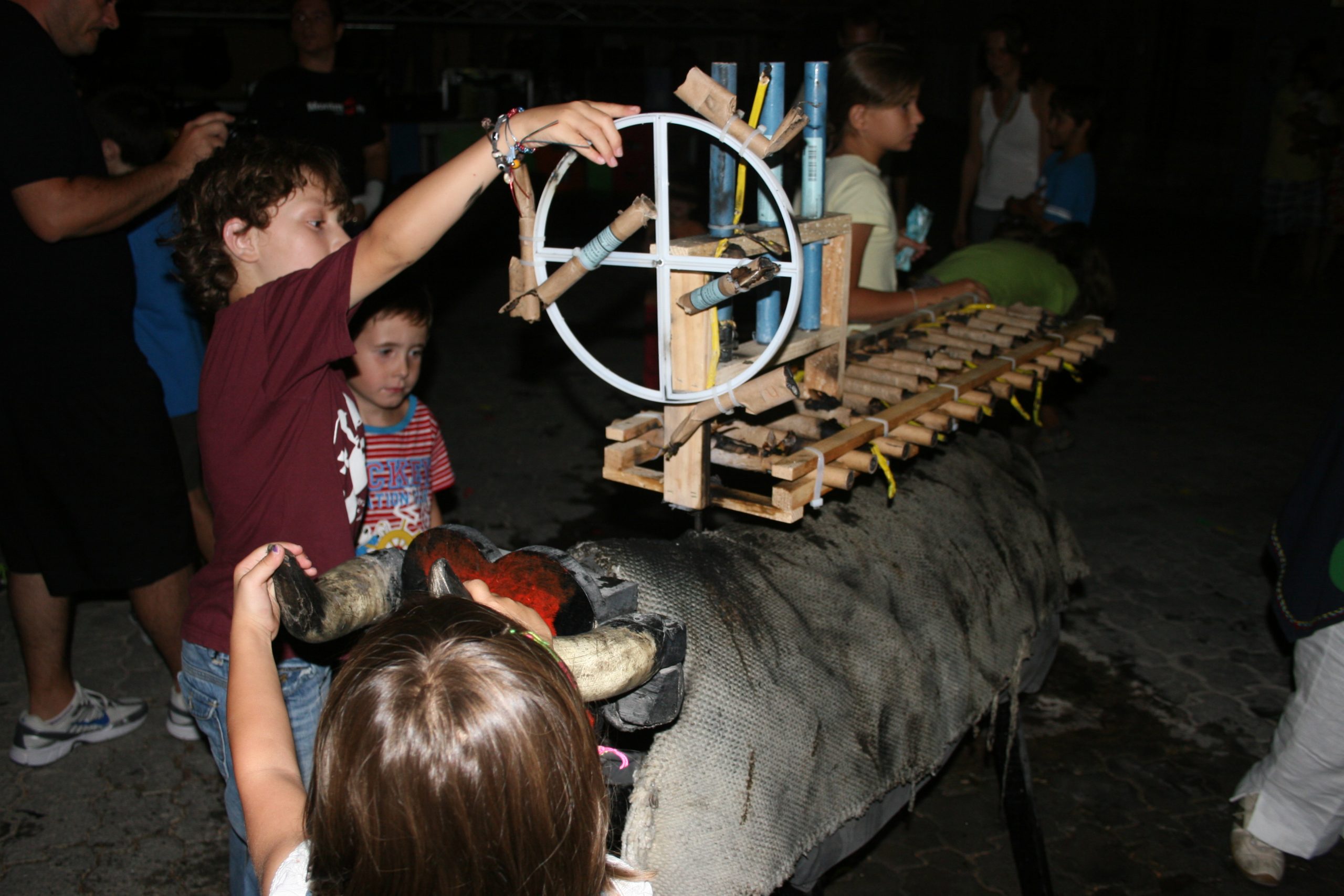
The fire bull It's a metal frame, shaped like a bull, on whose spine a frame with firecrackers (firecrackers or sparklers) is placed. It's widely used in the town's festivities.
CASTIELFABIB
IT'S UNIQUE, YOU WILL WIN YOU OVER
nature, gastronomy, heritage, history


